Newcastle Port Is Sustainable but for What? Kmart; Defence Sites; Jobs
•March 10, 2026
0
Key Takeaways
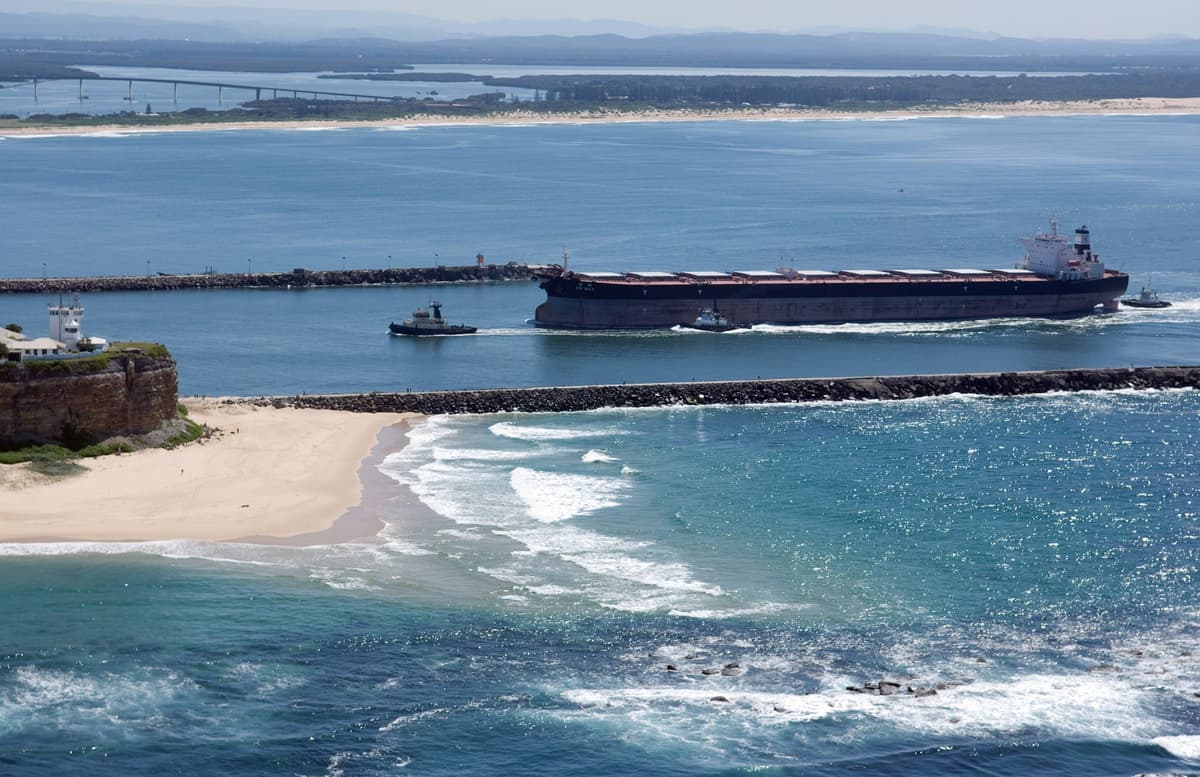
- •Newcastle port scores 100% GRESB while exporting coal.
- •Coal exports in Jan 2026: 12.7 Mt, 96% of total.
- •Kmart now powers all Australian stores with renewable electricity.
- •Government rejects $5 bn defence‑site sale, cites credibility concerns.
- •New hires signal growth for Rewiring Australia and Solar Citizens.
Summary
The Port of Newcastle earned a perfect 100 percent GRESB rating, yet 96 percent of its 13 million tonnes of January 2026 exports were coal, highlighting a stark sustainability paradox. In contrast, Kmart announced that every Australian store, distribution centre and office now runs on 100 percent renewable electricity through on‑site solar and PPAs, advancing its 2030 net‑zero goal. The federal government rebuffed a $5 billion private‑equity bid to buy 67 defence sites, citing credibility and financial capacity concerns, and is eyeing affordable housing for the assets. Meanwhile, Rewiring Australia, Solar Citizens and Charter Keck Cramer announced senior appointments, underscoring talent shifts toward clean‑energy and infrastructure advisory.
Pulse Analysis
The Port of Newcastle’s flawless GRESB score has drawn attention to the limits of ESG ratings when a facility’s core business remains heavily carbon‑intensive. While the port touts biodiversity targets and wind‑farm component imports, its coal shipments in January alone equated to roughly 30 million tonnes of CO₂, enough to power four million homes for a year. This dissonance forces investors and regulators to scrutinise whether sustainability benchmarks adequately capture indirect emissions and the true environmental impact of logistics hubs.
Retail giant Kmart’s declaration of 100 percent renewable electricity across 448 stores, 10 distribution centres and multiple offices marks a watershed for Australian commerce. Leveraging on‑site solar arrays and power‑purchase agreements with large‑scale farms, Kmart not only reduces its operational carbon footprint but also sets a benchmark for peers in a sector traditionally reliant on grid power. The move dovetails with its broader net‑zero‑by‑2030 ambition, illustrating how corporate procurement strategies can accelerate renewable market growth and provide a template for other retailers seeking tangible climate action.
The government’s dismissal of a $5 billion bid for 67 defence sites reflects a strategic pivot toward addressing Australia’s housing shortage rather than monetising surplus defence assets. By earmarking the land for affordable housing, policymakers align defence‑site disposal with long‑term infrastructure needs, potentially unlocking new construction pipelines. Concurrently, senior appointments at Rewiring Australia, Solar Citizens and Charter Keck Cramer signal a talent migration toward firms that blend sustainability expertise with advisory services, reinforcing the sector’s momentum as businesses and governments alike prioritize climate‑aligned investments.
Comments
Want to join the conversation?