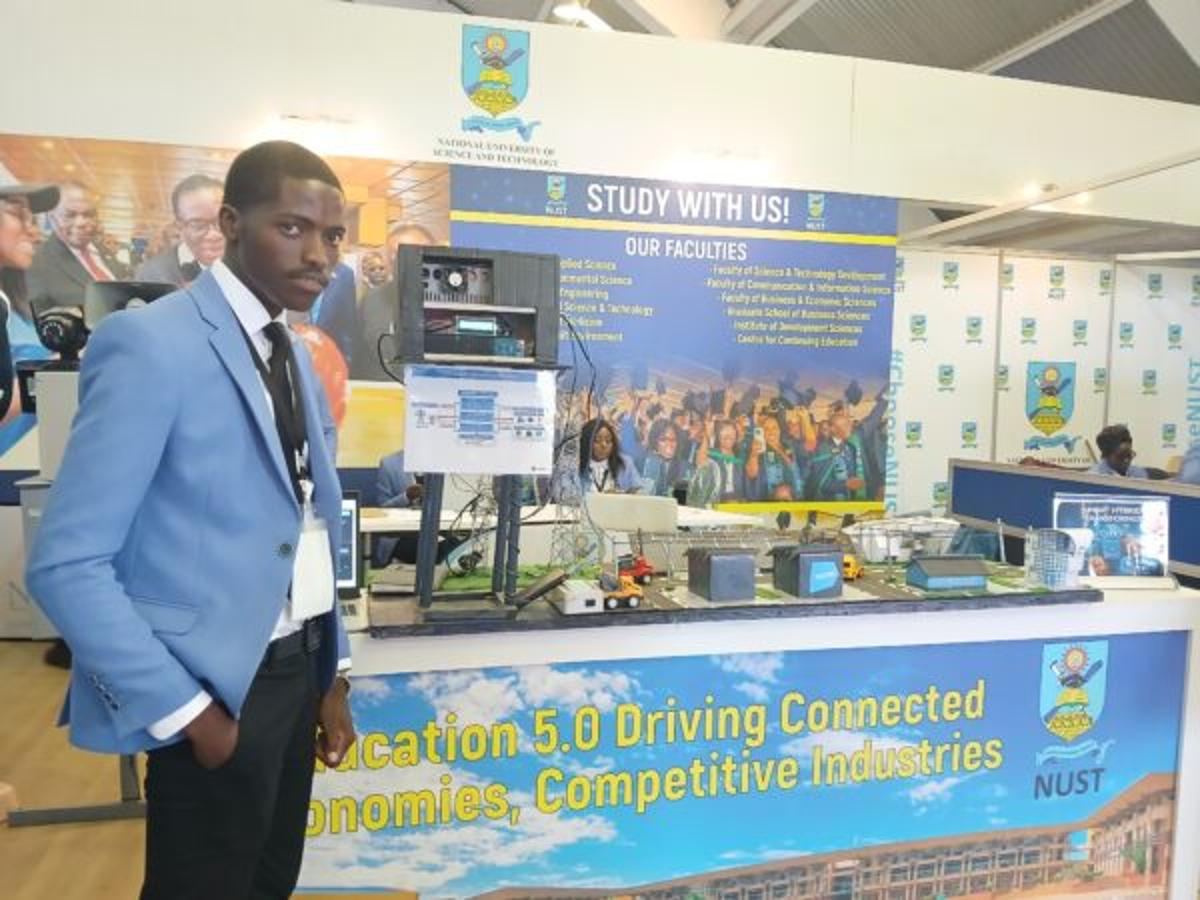
NUST Student Targets Mining’s Grid Pains With Oil-Free Smart Transformer
Key Takeaways
- •Oil‑free hybrid transformer cuts fire hazard in mines
- •Enables bidirectional power from solar and regenerative haul trucks
- •Remote dashboard predicts faults, reducing downtime
- •Solid‑state tap‑changing improves safety in dusty, gassy environments
- •Pilot slated for Great Dyke platinum mine by Q2 2027
Pulse Analysis
Mining operations in Africa are wrestling with legacy grid infrastructure that was never built for the surge of renewable energy and electric haulage. Traditional distribution transformers rely on mineral oil for insulation, a material that degrades under fluctuating loads and poses fire and environmental hazards. As mines adopt captive solar farms and battery storage, the inability of these aging units to handle reverse power and harmonic distortion threatens productivity and equipment lifespan. The shift toward cleaner power sources therefore demands a new class of transformer that can survive harsh underground conditions while delivering high‑quality electricity.
Mabota’s smart hybrid transformer meets that demand by marrying a magnetic core with a power‑electronic shunt module, eliminating oil entirely. Forced‑air cooling and solid‑state tap‑changing remove mechanical arcing risks, crucial in dusty or gassy mine shafts. The system’s grid‑forming control logic sustains voltage and frequency during utility outages, ensuring continuous ventilation and hoisting. Integrated harmonic filtering complies with IEEE 519 standards, protecting variable‑frequency drives and automated drilling rigs. A cloud‑based dashboard continuously monitors thermal stress, insulation resistance and partial discharge, giving operators in Harare the ability to intervene weeks before a fault escalates.
The prototype’s debut at the 66th Zimbabwe International Trade Fair signals broader market interest. With over 40 % of new mining projects in Zimbabwe now incorporating hybrid power, the sector is poised for standards that accommodate bidirectional, high‑quality electricity. A pilot at a Great Dyke platinum mine could validate the retrofit approach, offering a cost‑effective alternative to full solid‑state transformers. Successful field trials would likely accelerate adoption across Southern Africa’s mineral extraction industry, driving down maintenance expenses, improving safety, and reinforcing the region’s transition to greener, more resilient energy systems.
NUST Student Targets Mining’s Grid Pains With Oil-Free Smart Transformer
Comments
Want to join the conversation?