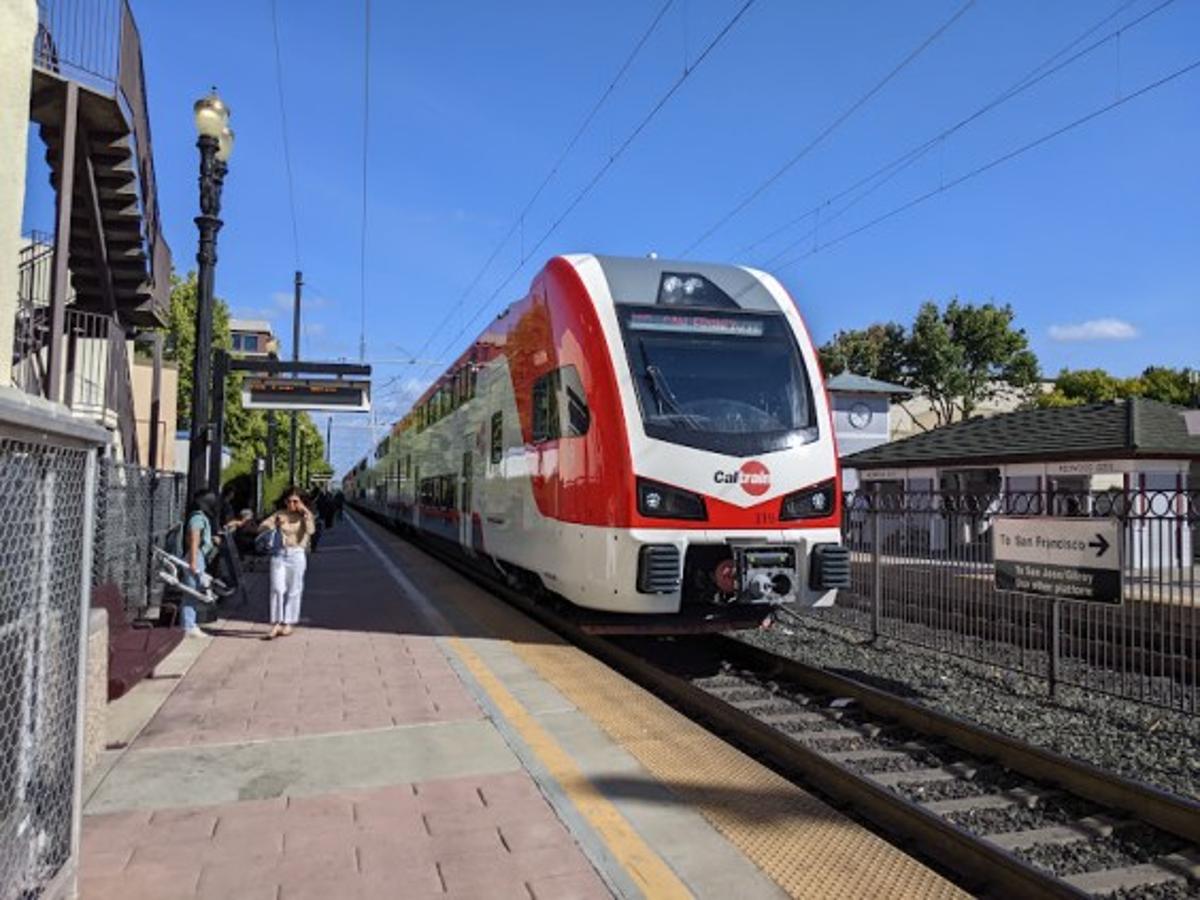
Op/Ed: Oil Shocks Will Keep Coming. High-Speed Rail Can Boost Our Resilience.
Key Takeaways
- •California allocated $20 billion to complete initial high‑speed rail segment
- •High‑speed rail runs on electricity, reducing reliance on oil imports
- •Electrified rail stations will serve as cooling centers and EV chargers
- •China’s 30,000‑mile electric rail network cushions its economy from oil shocks
- •Poll shows 67% of Californians support continuing high‑speed rail construction
Pulse Analysis
The looming risk of renewed oil disruptions through the Strait of Hormuz has revived strategic discussions about energy security in the United States. While gasoline prices have surged past $5 per gallon in California, policymakers are looking beyond short‑term price caps toward structural solutions that decouple mobility from volatile oil markets. High‑speed rail, powered entirely by renewable electricity, offers a scalable alternative that can move thousands of commuters quickly while dramatically cutting petroleum demand.
California’s approach mirrors China’s aggressive "electrostate" strategy, where a dense network of electric high‑speed trains, EVs, and renewable generation creates a self‑reinforcing energy ecosystem. China’s 30,000‑mile rail grid has already demonstrated how electrified mass transit can alleviate road congestion, lower emissions, and buffer the economy against global oil price swings. By integrating solar farms and battery storage at stations, California aims to turn its rail hubs into micro‑grids that supply power during heat‑driven blackouts, providing both transportation and critical resilience services.
Politically, the project’s future hinges on the next governor and sustained financing. The state’s $20 billion allocation unlocks the Central Valley segment and signals confidence to private investors, who are now in talks to fund extensions into the Bay Area and Southern California. With 67% of voters favoring continuation, the high‑speed rail initiative could become a national blueprint for resilient, low‑carbon infrastructure, positioning the U.S. to better weather geopolitical energy shocks.
Op/Ed: Oil Shocks Will Keep Coming. High-Speed Rail Can Boost Our Resilience.
Comments
Want to join the conversation?