PD Ports Delivers Support for Northern England Solar Energy Projects
•March 5, 2026
0
Key Takeaways
- •220 containers of solar panels shipped via Teesport
- •300 containers of lithium storage cubes imported for grid storage
- •PD Ports managed end‑to‑end logistics from port to farms
- •Project supports renewable deployment on vacant North East land
- •Port operators increasingly act as energy infrastructure logistics hubs
Summary
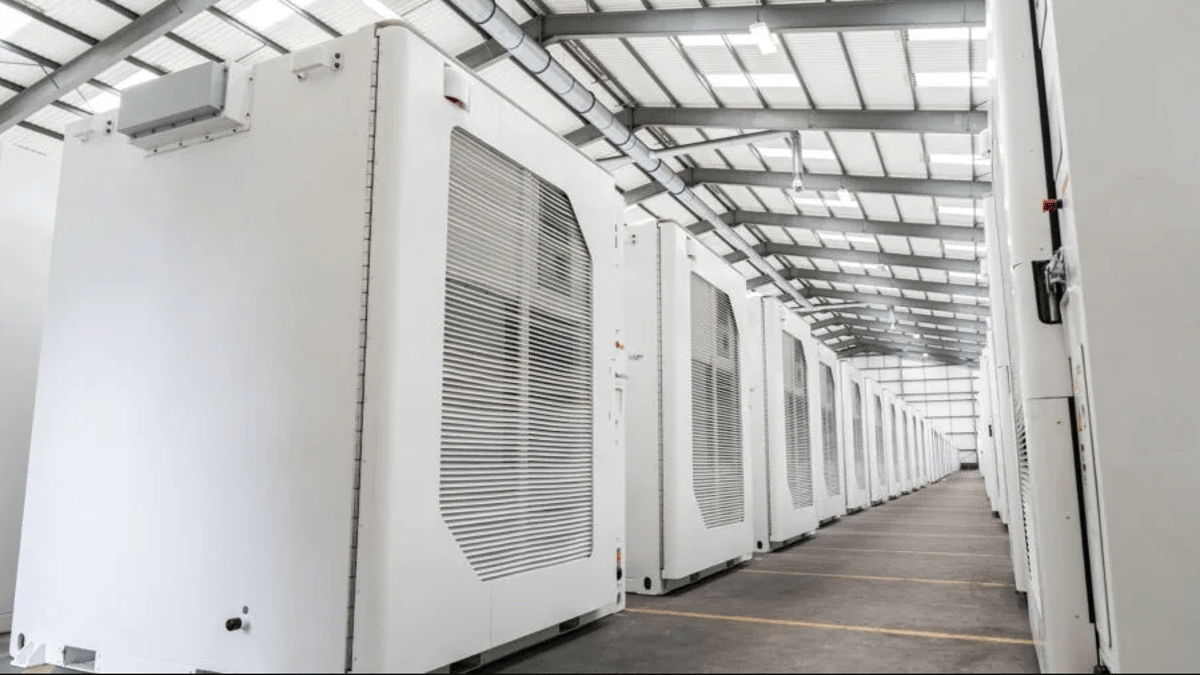
PD Ports completed a large‑scale logistics operation for northern England’s renewable energy rollout, moving more than 220 containers of solar panels and over 300 containers of lithium storage cubes through its Teesport terminal. The company handled import, warehousing and inland delivery to solar farms on vacant land in the North East, providing a single‑point logistics solution. The lithium cubes will support grid‑connected energy storage, enabling intermittent solar power to be dispatched on demand. Mark Mulholland highlighted the project as proof of PD Ports’ integrated port, land and supply‑chain capabilities.
Pulse Analysis
The United Kingdom’s renewable energy agenda is increasingly dependent on efficient supply chains that can move bulky, high‑value components from overseas manufacturers to remote project sites. Traditional port activities are evolving, with terminals like Teesport expanding beyond cargo handling to become integrated logistics platforms. By leveraging its extensive waterfront infrastructure and land assets, PD Ports is positioning itself at the forefront of this shift, offering end‑to‑end services that reduce lead times and lower costs for developers seeking to meet aggressive deployment targets.
In this latest initiative, PD Ports coordinated the import, storage, and inland transport of more than 220 containers of solar panels alongside 300 containers of lithium‑ion storage cubes. The lithium modules are destined for grid‑scale batteries that smooth solar output, a critical function as the UK moves toward higher renewable penetration. By consolidating the entire logistics chain under a single point of contact, the company minimized handling complexity and provided real‑time visibility for stakeholders. The solar panels are earmarked for farms on previously unused or unfarmed parcels in the North East, turning idle land into productive energy assets while supporting regional economic development.
The broader implication is a redefinition of the port’s role in national energy strategy. As renewable projects multiply, ports that can offer warehousing, customs facilitation, and last‑mile delivery become indispensable partners. PD Ports’ land ownership in Teesside further amplifies its strategic advantage, allowing it to host on‑site storage and staging areas close to emerging renewable corridors. This integrated model not only accelerates project timelines but also signals to investors that the UK’s logistics ecosystem is ready to support large‑scale clean‑energy ambitions, potentially attracting more domestic and foreign capital to the sector.
Comments
Want to join the conversation?