Renewable Transmission Costs to Drive up Power Bills
Key Takeaways
- •DMO fell 1‑10% after lower wholesale power costs
- •Network charges account for ~40% of electricity bills
- •AER approved 10% network fee increase for 2026‑27
- •Bill relief likely short‑lived as network costs rise
Pulse Analysis
The Australian electricity market experienced a brief lull in price pressure this year when the Default Market Offer—a benchmark used by retailers to set consumer rates—was trimmed by 1% to 10% on 1 July. The reduction stemmed from unusually low wholesale generation costs, a byproduct of a calm summer that reduced demand spikes. While the DMO cut offered immediate savings for households and commercial users, it also highlighted the volatility inherent in the market’s two‑tier pricing structure, where wholesale and network components move independently.
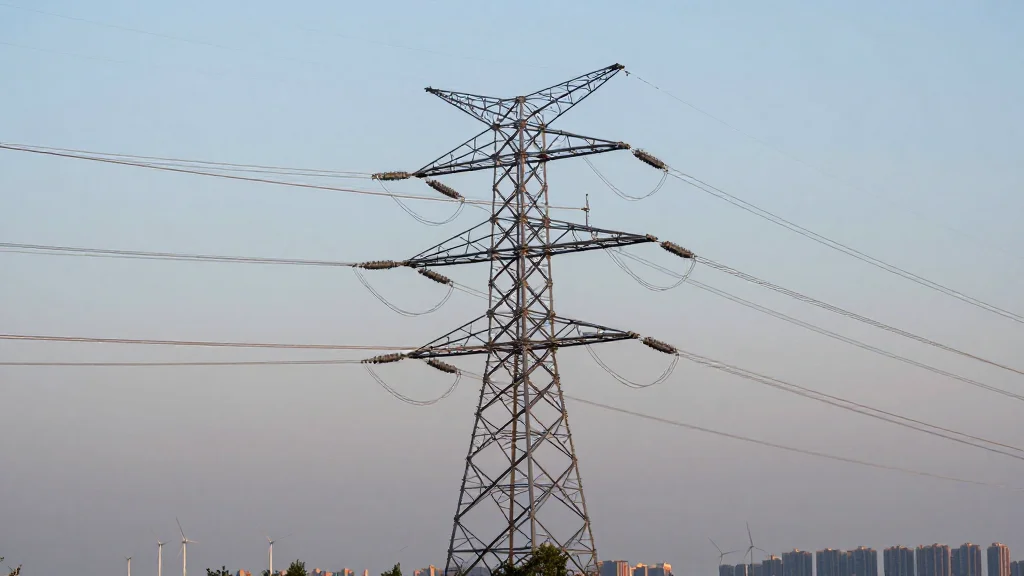
Complicating the picture, the Australian Energy Regulator has sanctioned a 10% increase in network charges for the 2026‑27 period. Network fees, which cover the maintenance and expansion of transmission and distribution infrastructure, already represent roughly 40% of an average electricity bill. The AER’s decision reflects rising capital expenditures to integrate more renewable generation, upgrade aging assets, and meet reliability standards. Consequently, even as generation costs stay subdued, the larger share of the bill tied to the grid will push overall consumer prices upward, diminishing the impact of the earlier DMO cut.
For businesses and consumers, the dual dynamics of a lower DMO and higher network fees underscore the need for strategic energy management. Companies may accelerate adoption of on‑site solar, battery storage, or demand‑response programs to offset rising network costs. Policymakers, meanwhile, face pressure to balance infrastructure investment with affordability, potentially revisiting cost‑recovery mechanisms or incentivizing efficiency upgrades. The upcoming bill increases serve as a reminder that while renewable generation can lower wholesale prices, the broader transition to a greener grid carries its own financial implications for end‑users.
Renewable transmission costs to drive up power bills
Comments
Want to join the conversation?