Rewriting the RFS Playbook: The Impact of Final RVOs on Projected D4 Biomass-Based Diesel RIN Generation for 2026-2027
Key Takeaways
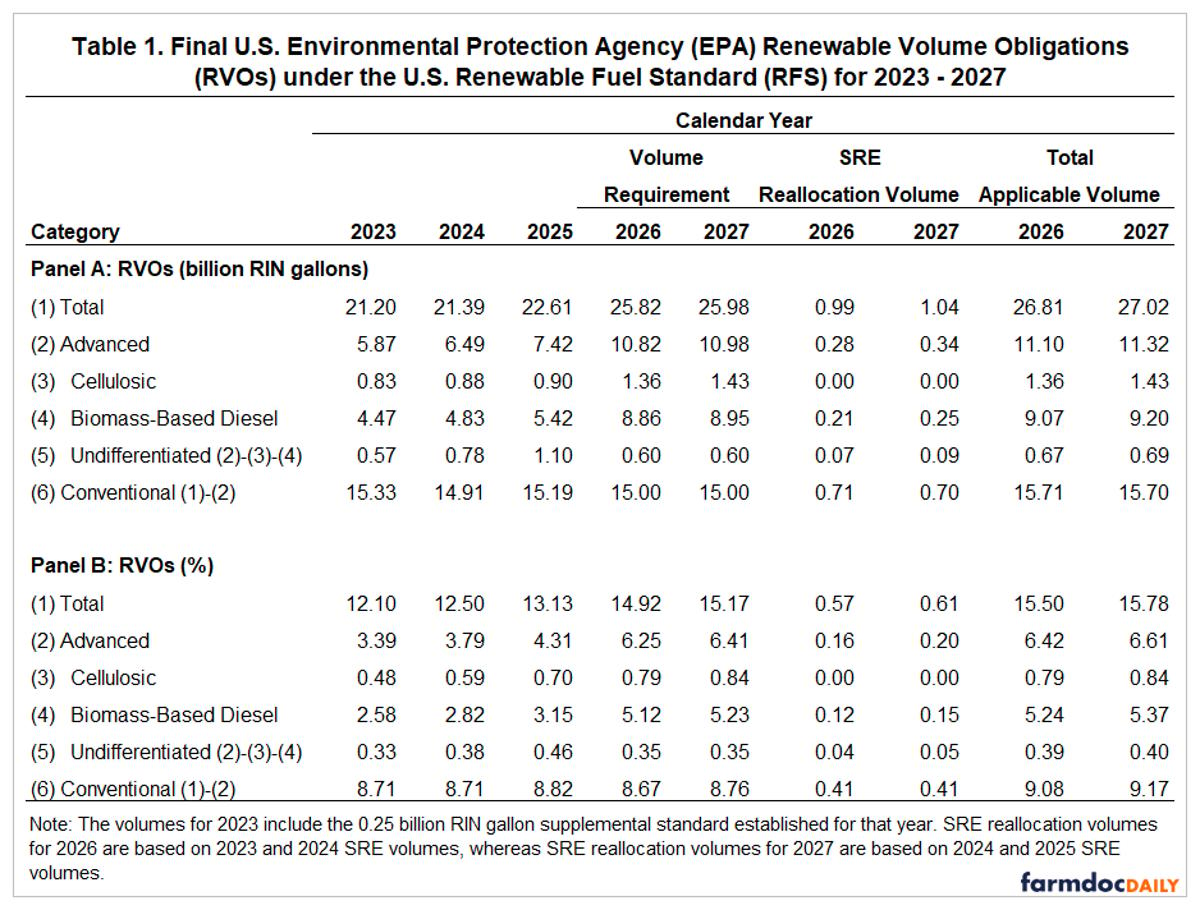
- •EPA final rule lifts D4 RVO to 9.07 bn gallons in 2026
- •D4 net generation must rise 55% in 2026, 67% in 2027
- •D6 “pull” forces 1.42 bn D4 RINs into conventional fuel market
- •RIN banks shrink to 0.2 bn gallons, eliminating safety cushion
- •Feedstock demand for soybean oil and used cooking oil will surge
Pulse Analysis
The Renewable Fuel Standard’s latest adjustment marks the most aggressive expansion of biomass‑based diesel obligations in its history. By reallocating 70% of small refinery exemptions and postponing the half‑RIN penalty, the EPA has effectively forced the market to generate nearly 11 billion D4 RINs each year through 2027. This unprecedented scale not only raises the bar for domestic renewable diesel plants but also intensifies competition for feedstocks such as soybean oil, animal fats, and used cooking oil, whose prices are likely to reflect the heightened demand.
Beyond the raw volume increase, the rule’s nesting mechanism amplifies pressure on the conventional fuel sector. The D6 “pull”—whereby a shortfall in ethanol RINs is backfilled with D4 RINs—adds over a billion gallons of additional D4 demand each compliance year. This cross‑category substitution means that any disruption in ethanol production or unexpected spikes in gasoline consumption will directly translate into higher D4 generation requirements, tightening the margin for error across the entire renewable fuel ecosystem.
For investors and industry stakeholders, the key takeaway is risk concentration. With the RIN bank projected to dwindle to just 0.2 billion gallons, there is virtually no buffer to absorb production hiccups. Companies that can secure reliable feedstock supplies, scale up renewable diesel capacity, or diversify into advanced biofuels (D5) will be best positioned to navigate the new compliance landscape. Conversely, firms lacking flexibility may face compliance penalties or be forced to purchase costly imported RINs, underscoring the strategic importance of forward‑looking feedstock contracts and capacity planning.
Rewriting the RFS Playbook: The Impact of Final RVOs on Projected D4 Biomass-Based Diesel RIN Generation for 2026-2027
Comments
Want to join the conversation?