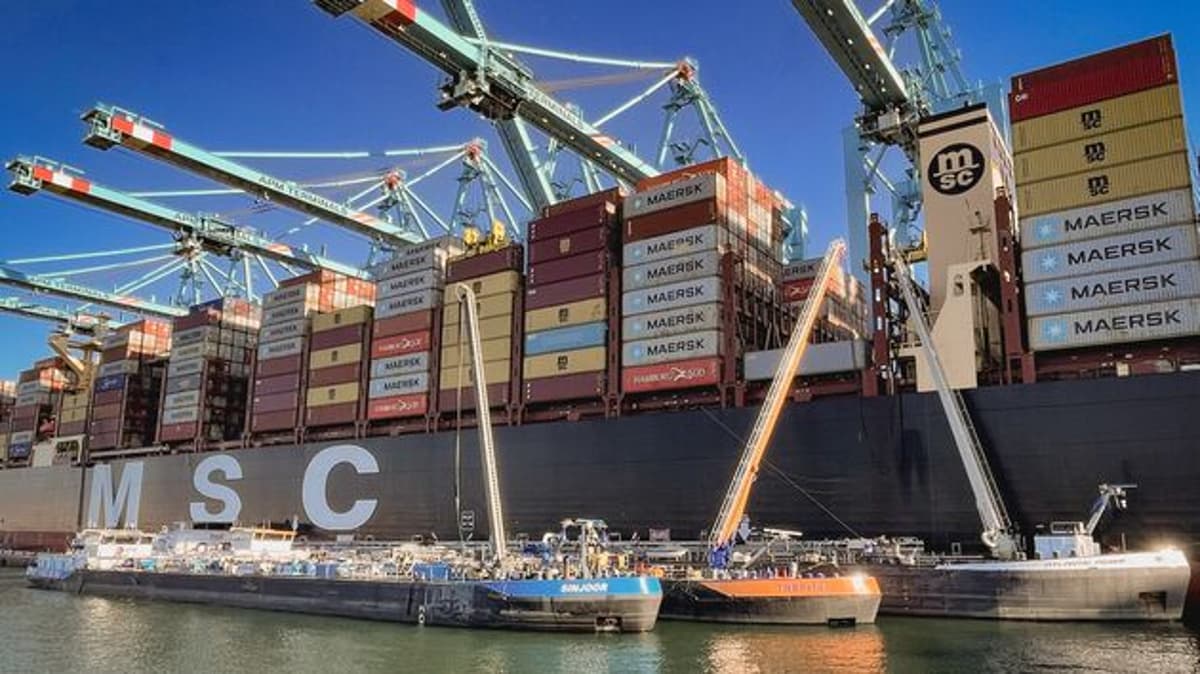
Rotterdam Bunker Volumes Fall as Fossil Fuels Drive Decline
Key Takeaways
- •Rotterdam bunker sales fell 25% YoY in Q1 2026.
- •VLSFO volumes dropped 44%, the steepest decline among fuels.
- •Bio‑LNG deliveries exceeded 15,000 m³, marking first commercial‑scale supply.
- •RED III pricing hikes push customers toward competing European ports.
Pulse Analysis
The first‑quarter data from Rotterdam underscores a broader industry transition as regulators tighten emissions standards. The EU’s RED III framework, which raises the carbon intensity ceiling for marine fuels, has made traditional bunker products more expensive relative to neighboring ports. Shipping lines, already sensitive to fuel cost volatility, are recalibrating routes and refueling stops, favoring locations where compliant, lower‑priced alternatives are available. This regulatory pressure accelerates the adoption of low‑sulphur and renewable fuels, reshaping the competitive landscape for European bunkering hubs.
Alternative fuels are beginning to offset the loss of fossil‑based bunkers, but the scale remains modest. Bio‑LNG, LNG, bio‑methanol and methanol together posted a 6.4% increase, with bioblended LNG surpassing 15,000 cubic metres—a milestone that demonstrates commercial viability. While the absolute volumes are still dwarfed by traditional fuels, the growth trajectory suggests that shipowners are testing greener options to meet both compliance and ESG expectations. Infrastructure investments at Rotterdam, such as new storage tanks and cryogenic handling facilities, are critical to sustain this momentum.
Looking ahead, the market’s response to geopolitical shocks, notably tensions in the Strait of Hormuz, could further influence bunker demand patterns. If Middle‑East supply disruptions tighten global oil markets, price differentials may either exacerbate Rotterdam’s decline or, paradoxically, revive demand for its diversified fuel portfolio. For investors and maritime operators, monitoring the interplay between regulatory costs, alternative‑fuel adoption, and geopolitical risk will be essential to gauge the port’s long‑term profitability and its role in the decarbonising shipping sector.
Rotterdam bunker volumes fall as fossil fuels drive decline
Comments
Want to join the conversation?