Russian Governors Rush To Deny Fuel Crisis As Rationing Spreads
Key Takeaways
- •Russia plans to cut June crude exports to ~1.7 million bpd
- •Ukrainian drones target refineries and fuel routes, prompting rationing
- •Governors publicly deny shortages despite localized fuel caps
- •Russia's crude output fell early 2026 due to unscheduled repairs
- •Export reduction reflects shift from overseas markets to domestic supply
Pulse Analysis
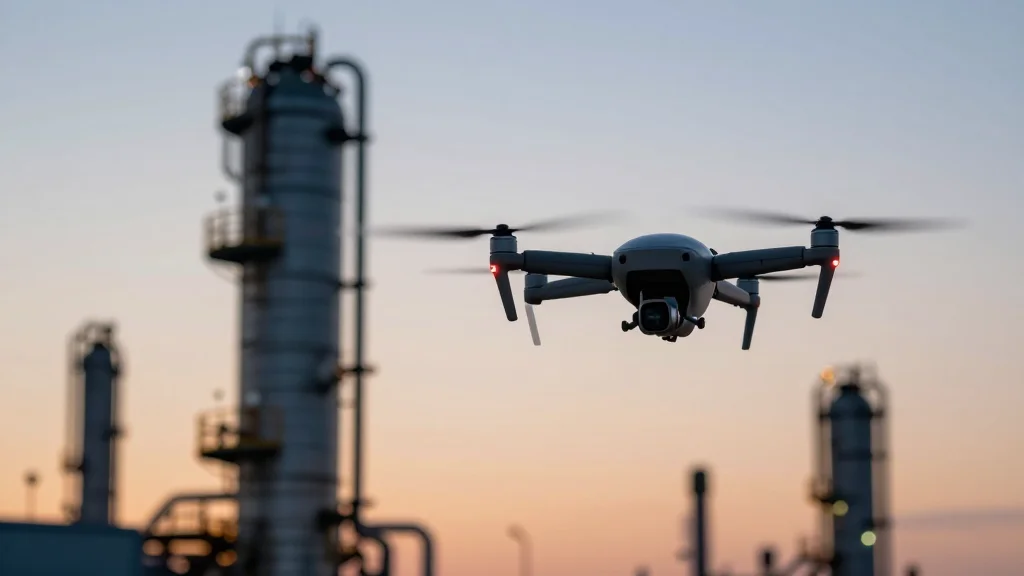
Ukraine’s recent surge in drone strikes has hit Russian oil infrastructure hard, disabling pipelines and damaging refineries that feed the nation’s fuel network. The attacks have forced authorities in Moscow and several northern regions to impose temporary purchase limits at gas stations, a move designed to prevent panic buying and keep queues manageable. While the physical disruptions are localized, the ripple effects are felt across the supply chain, prompting a reassessment of how Russia can sustain its domestic fuel needs during heightened conflict.
At the same time, Russian governors are engaged in a coordinated messaging campaign to downplay the severity of the situation. Public statements from officials in Leningrad and other regions assert that supplies are arriving as scheduled and that any shortages are isolated incidents. This narrative aims to preserve consumer confidence and avoid a broader panic that could exacerbate logistical bottlenecks. However, the admission by Deputy Prime Minister Alexander Novak that crude production is slipping underscores the underlying strain on the energy sector, revealing a gap between official rhetoric and operational realities.
The broader market impact of these developments is significant. With export volumes from key western ports projected to fall from 2.5 million to 1.7 million barrels per day in June, Russia is reallocating oil to meet domestic demand, tightening global supply at a time when OPEC+ is already balancing output cuts. Analysts anticipate that reduced Russian exports could lift Brent and WTI prices, especially if the conflict continues to disrupt alternative supply routes. The situation also raises questions about Russia’s long‑term energy strategy, as sustained refinery damage may force a permanent reorientation toward internal consumption, reshaping the dynamics of the global oil market.
Russian Governors Rush To Deny Fuel Crisis As Rationing Spreads
Comments
Want to join the conversation?