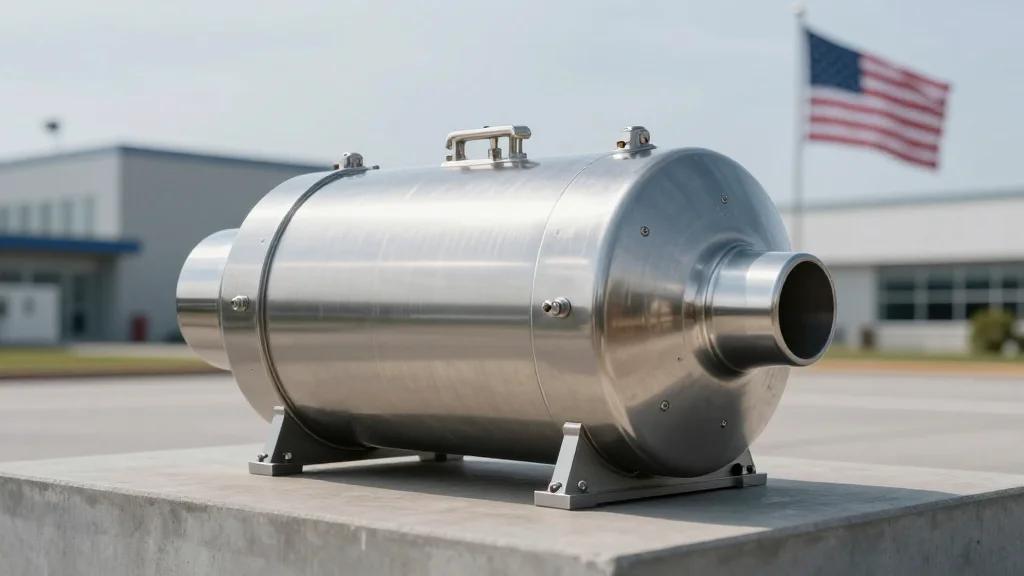
Senate Bill Wants Commercial Reactors On Federal Land
Key Takeaways
- •DOE gains licensing authority for reactors on federal sites
- •Launch Pad program streamlines demo-to-commercial transition
- •Surplus plutonium repurposed as reactor fuel
- •Private firms fund projects, receive federal infrastructure support
- •Licensing timeline could shrink from years to months
Pulse Analysis
The United States faces a regulatory bottleneck that has long slowed commercial nuclear projects. The Nuclear Regulatory Commission’s licensing process can take several years, deterring private investment and leaving the nation reliant on aging fossil‑fuel plants. As AI workloads and advanced manufacturing push electricity demand to record levels, policymakers are seeking faster, more reliable low‑carbon sources. NEIDA’s proposal to move licensing for reactors on federal land from the NRC to the DOE directly addresses this lag, offering a streamlined, single‑agency pathway that aligns with national energy and security priorities.
NEIDA’s centerpiece, the Nuclear Energy Launch Pad, designates secure DOE and national‑lab zones where private firms can test advanced reactor designs with federal infrastructure support. Companies like Oklo, already progressing through the DOE’s Nuclear Safety Design Agreement, would benefit from a permanent, DOE‑run licensing track that eliminates the need to restart the NRC process after pilot phases. The bill also creates a mechanism to convert surplus weapons‑grade plutonium into reactor fuel, turning a legacy liability into a domestic fuel source while extending Price‑Anderson liability coverage to these projects. By allowing federal power marketing administrations to purchase nuclear electricity, the legislation opens a ready market for early‑stage reactors.
If passed, NEIDA could reshape the competitive landscape of nuclear energy. Faster licensing would make U.S. projects more attractive to investors, narrowing the deployment gap with China and Russia, which are rapidly expanding their reactor fleets. The accelerated timeline could also support the DOE’s Genesis Mission, co‑locating data centers with advanced reactors to meet AI’s massive power needs. While the bill does not overhaul the NRC system, its fast‑lane approach on federal land could become a critical lever for achieving climate goals, enhancing grid resilience, and securing a domestic supply chain for next‑generation nuclear technology.
Senate Bill Wants Commercial Reactors On Federal Land
Comments
Want to join the conversation?