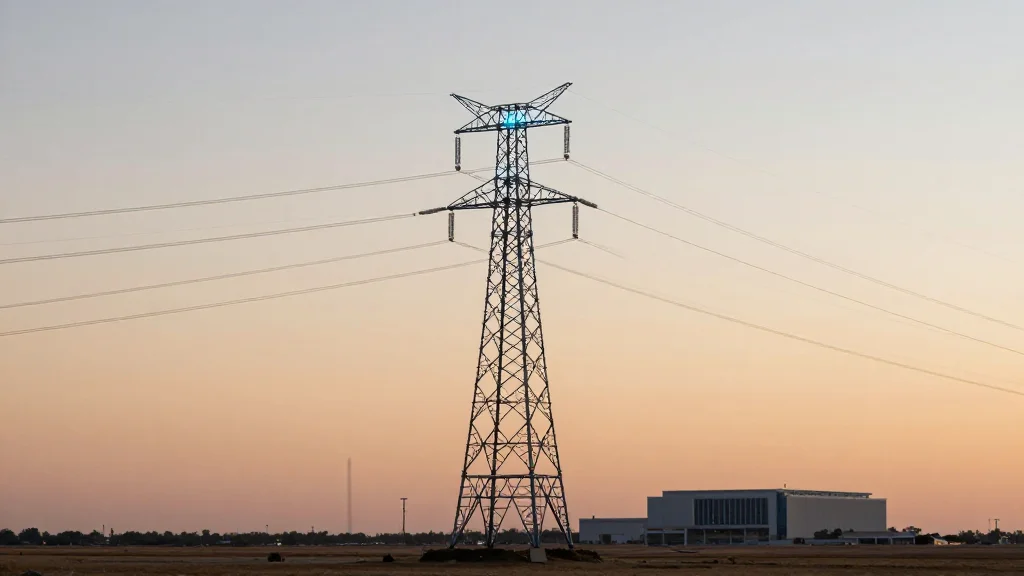
Spain-Style Blackout Risk Rises As ERCOT Flags Boston-Sized Data Center Loads Tripping Offline
Key Takeaways
- •ERCOT identified >5,000 MW data‑center clusters failing ride‑through tests
- •26 disconnection events recorded since 2023, risking frequency spikes
- •Roughly 20 GW of new hyperscale load under review
- •Loss of large demand creates generation surplus, over‑frequency trips
- •Experts urge new nuclear, gas, and flexible resources for stability
Pulse Analysis
The Texas grid’s latest stress tests highlight a growing mismatch between traditional power system design and the emerging demand profile of hyperscale data centers and crypto mining operations. Unlike conventional industrial loads, these facilities rely on sensitive electronic equipment that trips offline during voltage sags, instantly removing thousands of megawatts of demand. That abrupt drop creates a surplus of generation, pushing system frequency upward and forcing other generators to activate over‑frequency protection—an effect that can cascade into broader instability, especially during peak summer conditions.
The situation mirrors the 2025 Iberian blackout, where a lack of dynamic voltage support from renewable resources and insufficient inertia led to a rapid frequency collapse. In Texas, the problem is inverted: the loss of demand, not supply, triggers over‑frequency events. Both scenarios expose the limits of grids that have increasingly shed synchronous, inertia‑providing generators in favor of inverter‑based renewables. Without adequate spinning reserve or fast‑start resources, routine disturbances can evolve into system‑wide emergencies, underscoring the need for a balanced generation mix.
Policymakers and grid operators are now faced with a clear imperative: invest in flexible, dispatchable capacity—such as new nuclear, fast‑start gas turbines, and retained coal where economically viable—to provide the inertia and voltage control that modern loads lack. Simultaneously, market rules must evolve to require robust ride‑through capabilities from large‑scale digital customers. As AI and cloud services continue to expand, the Texas experience serves as a cautionary tale for other U.S. interconnections, emphasizing that reliable baseload resources remain a cornerstone of grid resilience.
Spain-Style Blackout Risk Rises As ERCOT Flags Boston-Sized Data Center Loads Tripping Offline
Comments
Want to join the conversation?