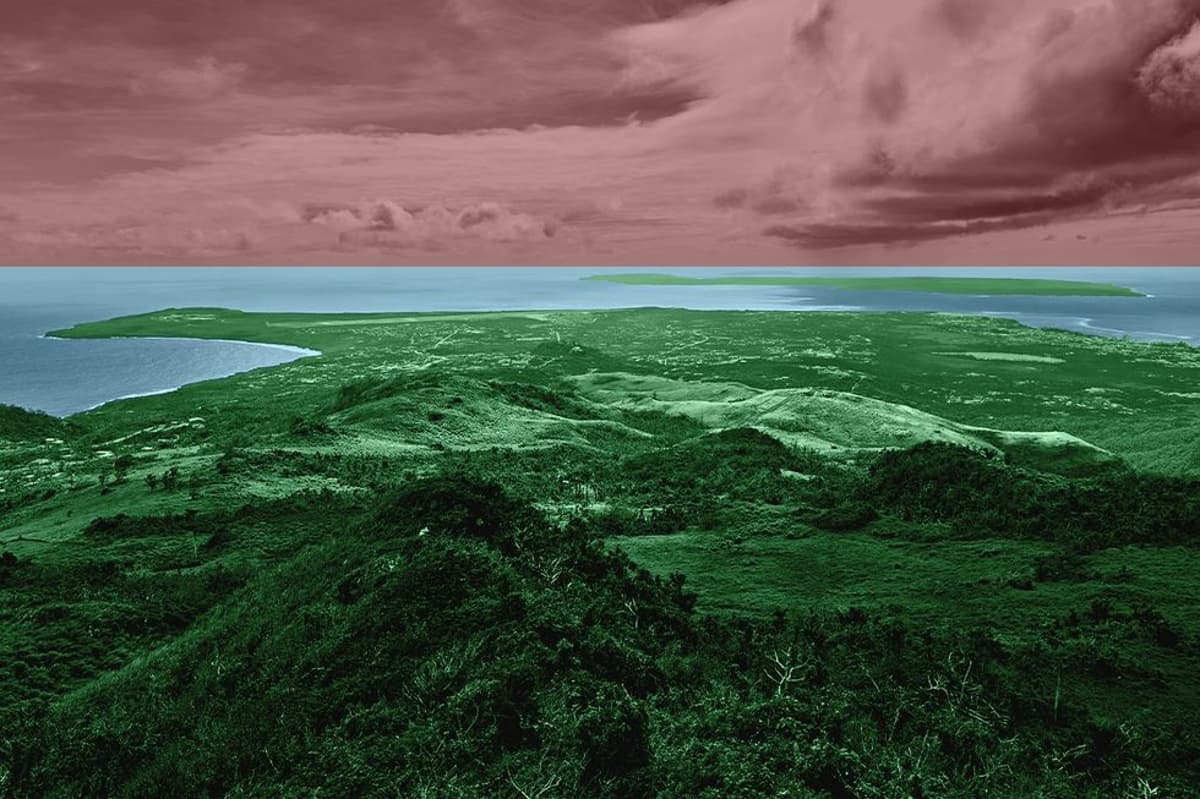
Super Typhoon Sinlaku Plunges Northern Mariana Islands Into ‘Darkness’
Key Takeaways
- •Sinlaku left 45,000 residents without power, water across Northern Mariana Islands
- •Restoration could take weeks due to damaged transmission lines and limited resources
- •Island grids rely heavily on imported oil, raising resilience concerns
- •Federal aid may be needed to rebuild infrastructure and improve disaster preparedness
- •Recent storms highlight urgency for renewable microgrids in U.S. territories
Pulse Analysis
Super Typhoon Sinlaku, the strongest storm of 2024, struck the Northern Mariana Islands on Wednesday, knocking out the entire electric grid for the territory’s 45,000 residents. Both Saipan and Tinian were reported to be in “total darkness,” while cellular networks buckled under overloaded traffic. Local officials warned that damaged transmission lines and limited spare parts could extend power and water restoration to several weeks. The blackout also crippled emergency services, underscoring how a single weather event can paralyze a remote U.S. jurisdiction.
The incident spotlights a systemic risk shared by all five inhabited U.S. territories—Puerto Rico, the U.S. Virgin Islands, Guam, the Northern Mariana Islands, and American Samoa. Each relies heavily on imported oil and gas to generate electricity, a model that inflates costs and leaves grids vulnerable to supply chain disruptions. Aging infrastructure, still scarred by Hurricane Maria’s 2017 devastation, compounds the problem. As climate change drives more intense cyclones and sea‑level rise, the probability of prolonged outages will only increase, demanding a strategic shift toward resilient, locally sourced power.
Federal agencies are now under pressure to accelerate funding for grid hardening and to incentivize renewable micro‑grids that can operate independently of mainland fuel supplies. Recent legislation earmarks billions for disaster‑relief infrastructure, but effective deployment hinges on streamlined permitting and coordinated planning with local utilities. Investing in solar‑plus‑storage, wind, and battery systems could cut reliance on costly imports while providing faster recovery after storms. For policymakers, the Northern Mariana Islands’ blackout serves as a cautionary case study that resilient energy architecture is essential to protect U.S. citizens in vulnerable outposts.
Super Typhoon Sinlaku Plunges Northern Mariana Islands Into ‘Darkness’
Comments
Want to join the conversation?