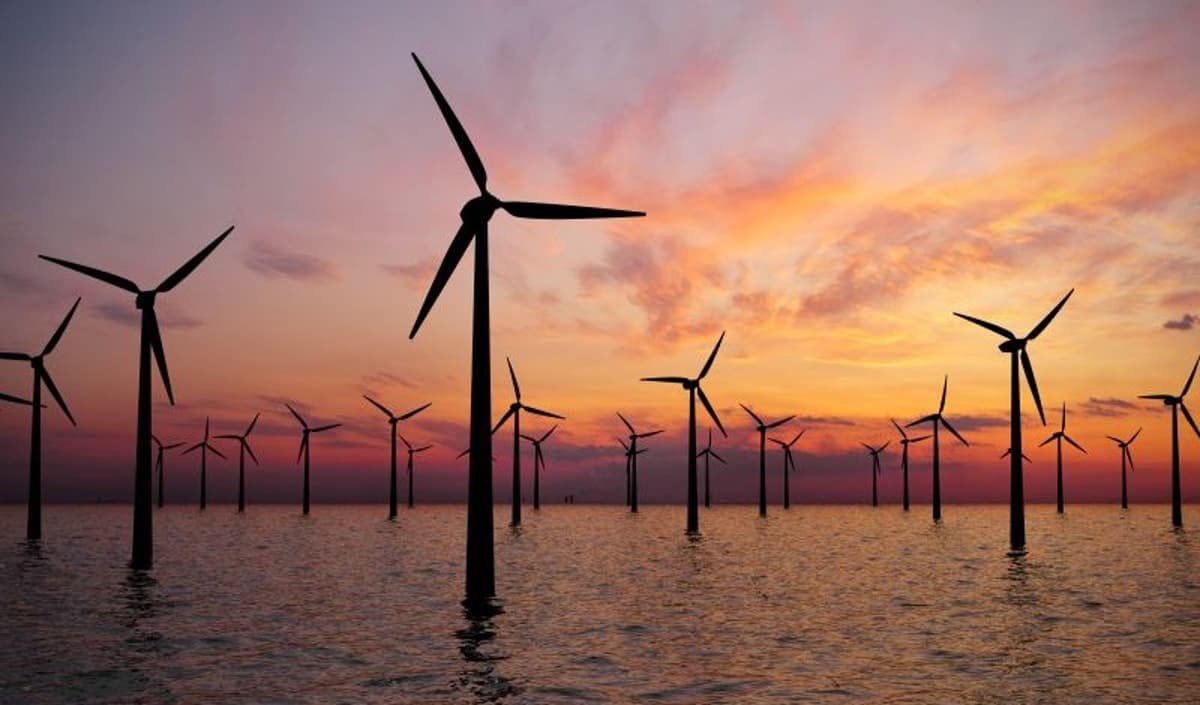
The Future of Marine Renewable Energy
Key Takeaways
- •Marine renewables could generate 112,000 TWh annually, 4.3× global demand
- •Offshore wind provides 90% of marine renewables, 75.2 GWh in 2024
- •Key hurdles: output variability, harsh ocean conditions, data gaps, ecological impacts
- •Hybrid systems and AI integration can smooth output and cut costs
- •Coupling renewables with aquaculture or hydrogen production boosts economic viability
Pulse Analysis
Rising electricity consumption, now more than double the decade‑average, is being fueled by AI‑intensive workloads and electrified transport. With the power sector responsible for roughly 75% of global greenhouse‑gas emissions, policymakers are scrambling for scalable, low‑carbon alternatives. Marine renewable energy—spanning offshore wind, tidal, wave, and ocean‑thermal technologies—offers an almost limitless arena beyond terrestrial land‑use constraints. The Tang et al. study estimates that fully deployed marine assets could supply 112,000 TWh per year, dwarfing today’s demand and providing a strategic buffer against future spikes.
Despite its promise, the sector faces four entrenched obstacles. Intermittent generation creates revenue volatility, while corrosive seawater inflates construction and maintenance costs. Reliable site selection is hampered by sparse high‑resolution meteorological data, and potential disruptions to marine ecosystems raise regulatory and public‑acceptance challenges. To overcome these, the authors advocate hybrid installations that blend wind, tidal, and solar outputs, smoothing supply curves without relying solely on battery storage. Integrating AI for predictive modeling can compensate for data gaps, optimizing turbine placement and forecasting generation with greater accuracy.
If governments and investors adopt these recommendations, marine renewables could evolve from niche projects into a cornerstone of the global energy mix. Coupling power generation with hydrogen electrolysis, desalination, or offshore aquaculture creates revenue streams that improve project economics and mitigate environmental concerns. Such multi‑use platforms would attract private capital, lower the cost of capital, and accelerate the transition to a resilient, low‑carbon grid. Policy frameworks that streamline permitting, fund research on corrosion‑resistant materials, and support AI‑driven resource assessments will be pivotal in unlocking the ocean’s vast energy potential.
The Future of Marine Renewable Energy
Comments
Want to join the conversation?