The Hormuz Closure Is Driving a Shortage of Battery Ingredients
Key Takeaways
- •Hormuz closure cuts seaborne sulfur supply, raising sulfuric acid prices.
- •Chinese export limits tighten sulfuric acid availability for Asian metal processors.
- •Indonesian nickel output falls 10% as sulfur shortages hit refining.
- •Lithium and copper refining costs rise, pressuring EV battery margins.
- •Petrochemical shortages threaten battery separator and polymer production.
Pulse Analysis
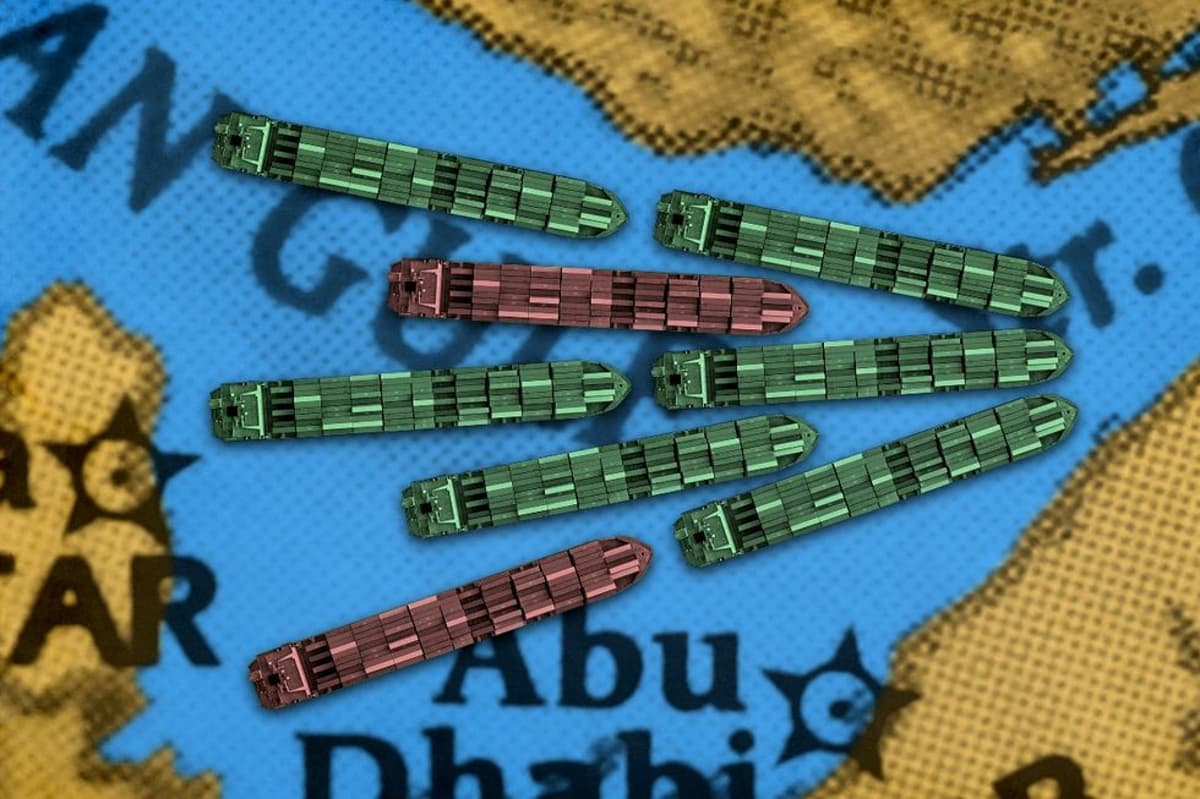
Sulfuric acid, a by‑product of oil and natural‑gas refining, underpins the chemistry of modern battery production. Roughly half of the world’s seaborne sulfur originates in the Middle East, where the Hormuz strait serves as a critical shipping lane. The recent closure has slashed vessel transits, prompting a sharp price surge that reverberates through the entire value chain. Analysts estimate that the reduced sulfur flow could lift acid prices by double‑digit percentages, tightening supply for metal‑refining hubs across Asia and Europe.
The immediate fallout is most visible in the nickel and copper sectors that feed electric‑vehicle batteries. Indonesia, responsible for about 60% of global nickel, now holds only a month’s sulfur inventory, forcing producers to trim output by at least 10%. Similar constraints are hitting cobalt and copper miners in the Democratic Republic of Congo, who are scaling back chemical usage to preserve margins. Lithium refining, especially the acid‑intensive “acid baking” of spodumene in China, faces higher input costs that will likely be passed on to battery manufacturers and, ultimately, consumers.
For battery makers, the sulfuric acid squeeze adds to an already volatile cost environment that includes rising petrochemical prices for ethylene and polyethylene—key materials for battery separators. Companies such as CATL are reporting margin compression despite strong sales, while U.S. policymakers eye domestic separator production to reduce reliance on Chinese suppliers. In the medium term, the industry may accelerate recycling initiatives, explore alternative leaching chemistries, or invest in diversified sulfur sources to mitigate the strategic risk posed by geopolitical chokepoints like Hormuz.
The Hormuz Closure Is Driving a Shortage of Battery Ingredients
Comments
Want to join the conversation?