The Ionic Path to All-Solid-State Batteries
Key Takeaways
- •Mixed SE particle sizes lower electrode tortuosity, boosting ionic conductivity.
- •Larger particles create bypass routes, reducing particle‑to‑particle interfaces.
- •Study uses DEM simulation and shortest‑path algorithm to map ion pathways.
- •Optimizing size distribution improves fast‑charge performance without new materials.
Pulse Analysis
The race to commercialize all‑solid‑state batteries hinges on overcoming intrinsic resistance within the solid electrolyte matrix. While ASSBs promise higher energy density and fire‑resistance, their performance is often throttled by tortuous ion‑transport pathways that increase internal impedance. Researchers have long focused on material chemistry, yet the geometric arrangement of solid‑electrolyte particles can be equally decisive. By addressing this structural factor, manufacturers can unlock latent conductivity without altering the electrolyte composition.
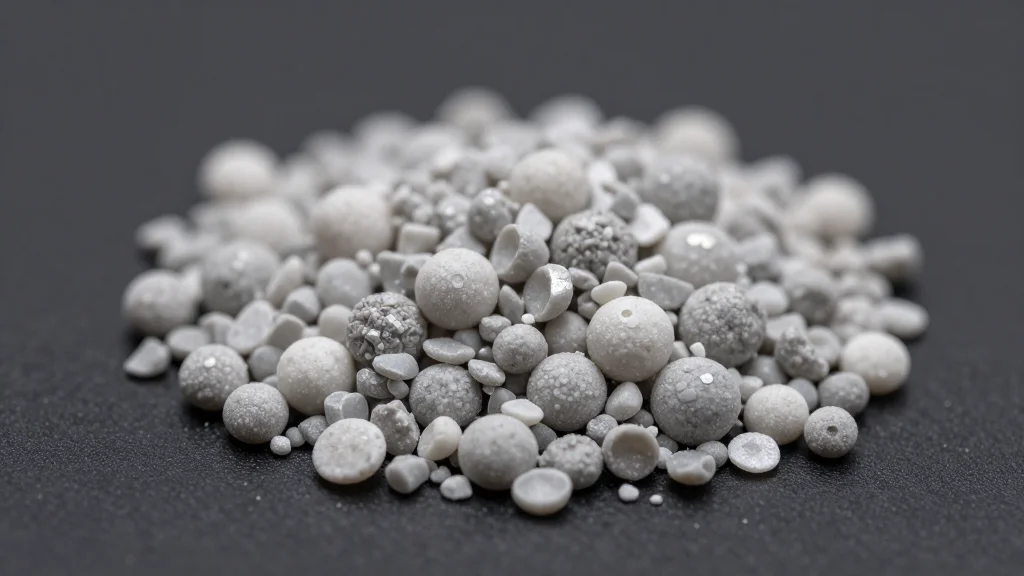
In the Osaka Metropolitan University study, lithium phosphorus sulfur chloride (LPSCl) particles were ground to produce controlled size distributions. Electrodes assembled with a blend of fine and coarse particles were examined using the Discrete Element Method (DEM) coupled with a shortest‑path algorithm, revealing that heterogeneous particle packs generate direct conduits for lithium ions. Larger grains infiltrate clusters of smaller grains, effectively shortening the percolation network and reducing the number of grain‑boundary crossings. This micro‑scale optimization translates to measurable gains in bulk ionic conductivity, as confirmed by electrochemical impedance spectroscopy.
For the electric‑vehicle sector, the implications are immediate. Reduced tortuosity can accelerate charge and discharge cycles, narrowing the performance gap between ASSBs and conventional lithium‑ion cells. Moreover, the approach leverages existing electrolyte supplies, sidestepping costly new‑material R&D and simplifying scale‑up. As automakers push for higher range and faster charging, adopting tailored particle‑size distributions could become a standard manufacturing tweak, driving down costs while enhancing battery safety and longevity.
The ionic path to all-solid-state batteries
Comments
Want to join the conversation?