Key Takeaways
- •Democrats could control Georgia Public Service Commission majority in 2024
- •Commissioner Peter Hubbard highlights staff reliance for complex utility analysis
- •$912 million storm‑damage cost recovery request sparked regulatory pushback
- •Full revenue model may boost utility profits amid more storms
- •Data‑center growth intensifies grid demand, testing regulator oversight
Pulse Analysis
Georgia’s energy landscape is at a crossroads as rapid data‑center expansion and climate‑driven storms strain an aging grid. The Public Service Commission (PSC) holds the levers that determine how utilities recover costs, set rates, and invest in new infrastructure. With Democrats eyeing a majority, the commission could pivot toward policies that prioritize renewable integration, demand‑side management, and stricter scrutiny of utility profit models. This political shift aligns with broader regional trends where regulators are being pressed to balance shareholder returns with consumer protection and climate resilience.
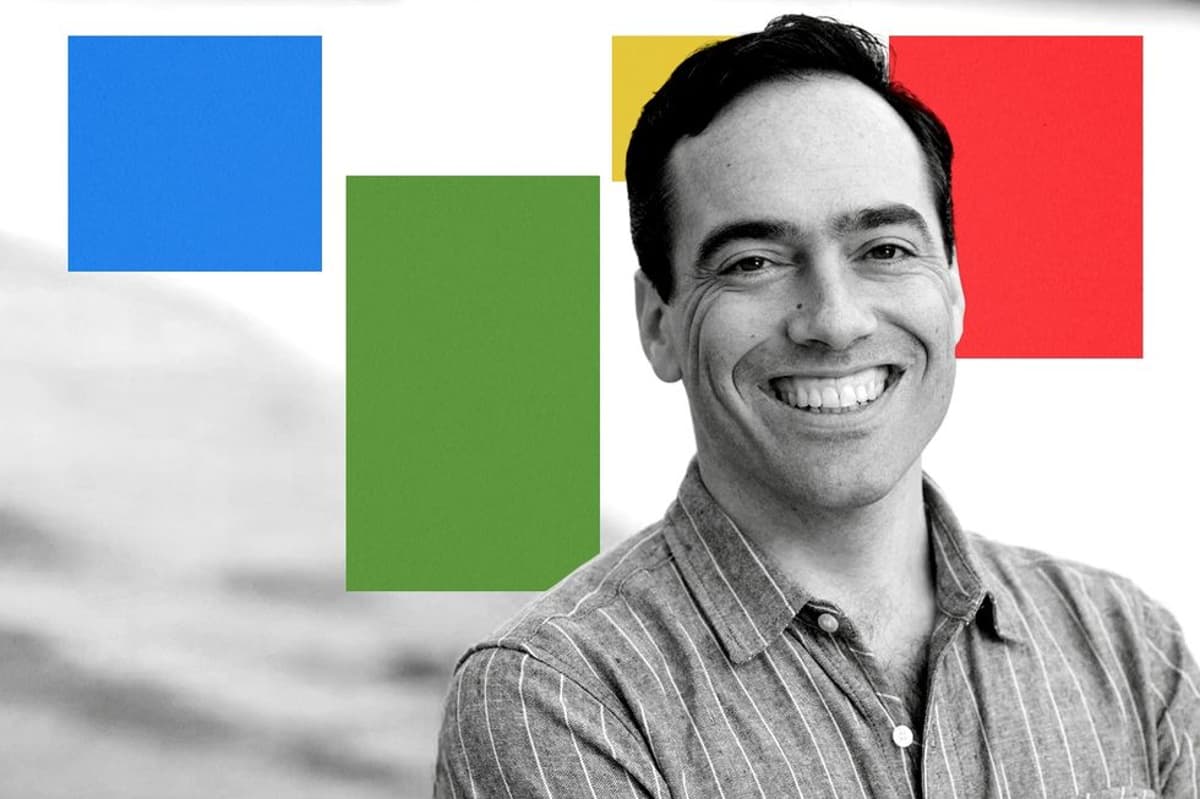
The interview with Commissioner Peter Hubbard underscores the operational realities of the PSC. Hubbard, a former renewables developer, notes that commissioners depend heavily on technical staff to parse complex integrated resource plans and cost‑recovery filings. His recent challenge to a $912 million storm‑damage claim illustrates the tension between full‑revenue recovery—allowing utilities to recoup expenses plus profit—and the public’s appetite for cost containment. As extreme weather events become more frequent, the PSC’s decisions on storm‑cost allocation will directly affect ratepayers and could set precedents for other states grappling with similar exposure.
Beyond the immediate fiscal implications, a Democratic‑led PSC could accelerate Georgia’s transition to cleaner energy sources. By questioning entrenched utility practices, the commission can incentivize investments in solar, battery storage, and grid‑modernization projects that support the state’s burgeoning tech sector while reducing emissions. Moreover, tighter oversight may curb the “vicious cycle” of profit‑driven recovery that currently fuels higher electricity bills. Stakeholders—from utilities and data‑center developers to consumer advocates—should monitor the upcoming November elections, as the outcome will shape the regulatory environment for years to come.
The Other, Other Big Race in Georgia This Year
Comments
Want to join the conversation?