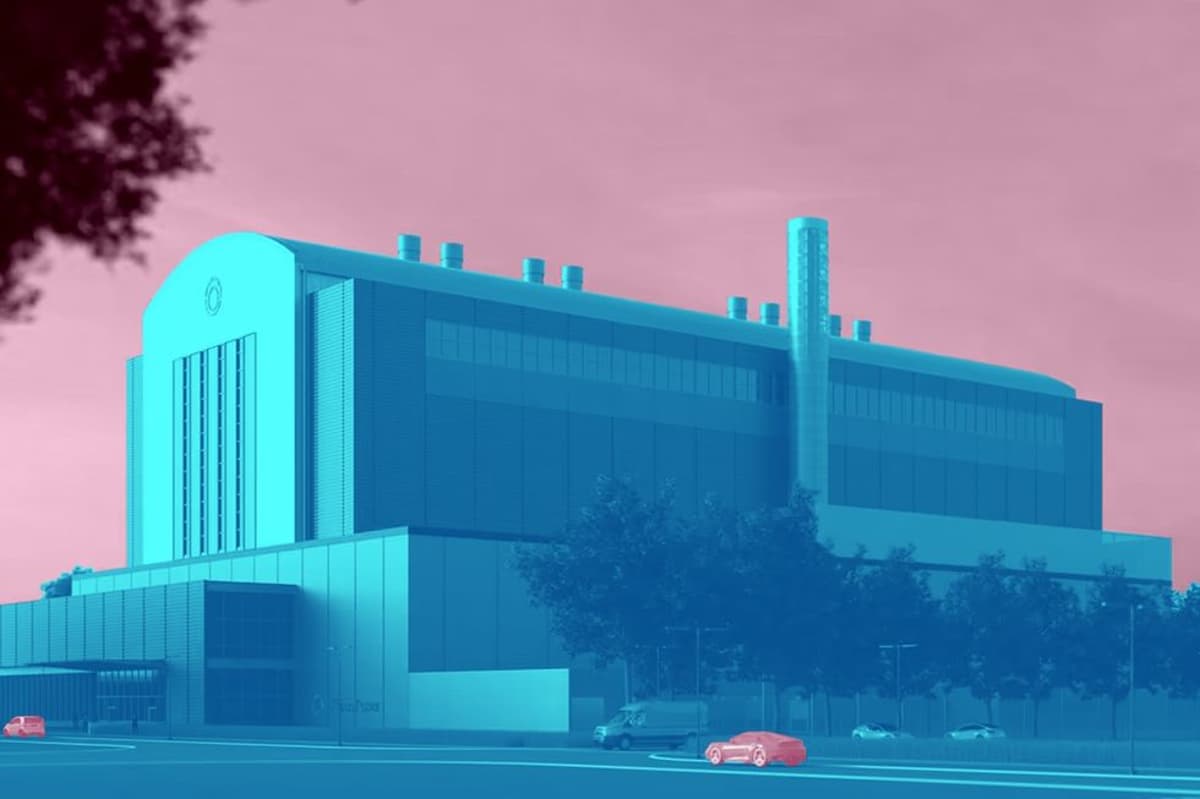
The U.S. Finally Has Two New Nuclear Projects Underway
Key Takeaways
- •Kairos Power broke ground on a demonstration reactor in Tennessee
- •TerraPower began construction of its first grid‑scale plant in Wyoming
- •DOE mobilized 90 firms via Defense Production Act for nuclear fuel supply
- •Extending Diablo Canyon to 2045 could save over $20 billion in present value
- •New Jersey canceled offshore‑wind transmission plan, turning to new nuclear projects
Pulse Analysis
After more than a decade of stagnation, the United States finally has two commercial‑scale nuclear projects breaking ground. Kairos Power’s demonstration AP1000‑type reactor in Tennessee and TerraPower’s sodium‑cooled fast reactor in Wyoming represent the first grid‑scale builds since the early 2010s. Both projects are slated for completion within four years, promising up to 1.2 GW of clean baseload capacity. The moves signal a tentative catch‑up with China, which now leads global reactor construction, and they revive investor confidence in advanced nuclear technology.
The Energy Department has responded by activating the Defense Production Act, convening a Nuclear Fuel Cycle Consortium of more than 90 firms. This unprecedented coordination targets every stage of the fuel supply chain—from uranium milling to enrichment and eventual recycling—to insulate the nascent reactor fleet from the looming 2028 ban on Russian imports. Federal backing reduces financing risk and accelerates licensing, while domestic fuel capacity promises price stability for utilities seeking carbon‑free baseload. The initiative, dubbed “Nuclear Dominance — 3 by 33,” aims to secure a competitive supply chain and fast‑track advanced reactor deployment by 2033.
State‑level decisions are already reflecting the renewed nuclear optimism. Extending California’s Diablo Canyon plant to 2045 could generate more than $20 billion in present‑value savings, while New Jersey’s recent cancellation of its offshore‑wind transmission agreement redirects attention toward new nuclear capacity. Both examples illustrate how nuclear projects can deliver long‑term cost advantages and grid reliability, attributes that are increasingly valuable amid rising electricity prices and tightening emissions targets. As the United States builds a domestic fuel base and clears regulatory hurdles, the sector is poised to attract a new wave of private capital and become a cornerstone of the country’s clean‑energy strategy.
The U.S. Finally Has Two New Nuclear Projects Underway
Comments
Want to join the conversation?