Key Takeaways
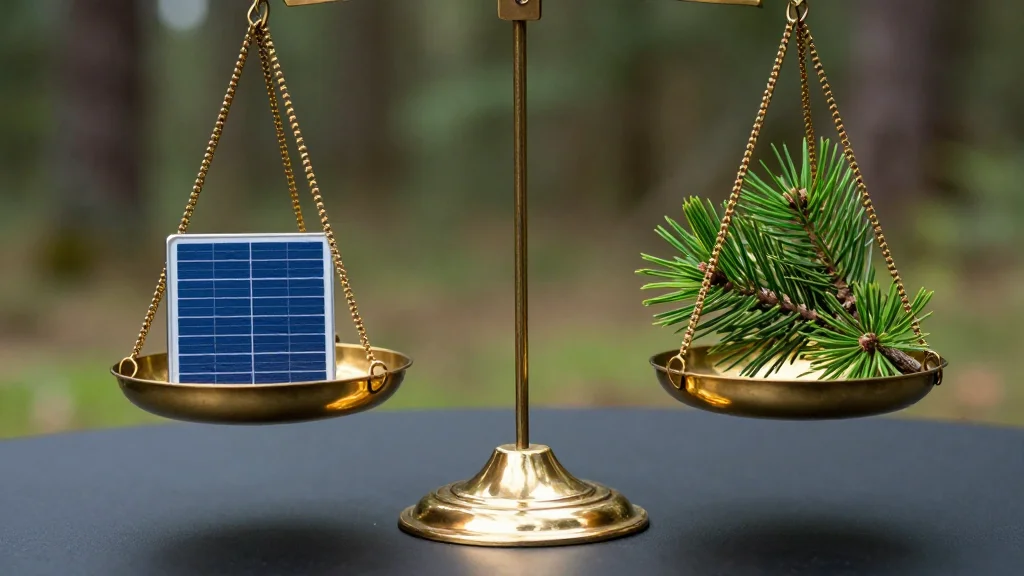
- •Yglesias champions ultra‑large solar projects that could clear forests.
- •He minimizes coal’s health impacts, calling them merely “smoggy.”
- •The “too cheap to meter” mantra dismisses energy‑efficiency solutions.
- •Author likens Yglesias’s view to tech‑bro AI singularity optimism.
- •Critique urges balanced clean‑energy policy that weighs environmental costs.
Pulse Analysis
The push for "clean‑energy abundance" has become a rallying cry among some policy influencers, with Matt Yglesias championing a future where electricity is so cheap it becomes irrelevant to meter. His vision hinges on deploying massive solar farms, often in ecologically sensitive areas, to flood the grid with low‑cost power. While the rhetoric appeals to voters tired of high utility bills, it glosses over the trade‑offs of land use, biodiversity loss, and the capital intensity of building such infrastructure.
Critics argue that Yglesias’s framework neglects two fundamental pillars of sustainable energy: externalities and efficiency. Coal’s health impacts—respiratory disease, premature deaths, and water contamination—are reduced to a vague "smoggy" label, ignoring decades of epidemiological data. Moreover, dismissing demand‑side measures like retrofits, smart‑grid technologies, and behavioral shifts undermines the economic case for renewables, as efficiency can defer costly capacity additions. By treating scarcity as a non‑issue, the narrative risks overbuilding, inflating costs, and creating new environmental burdens.
For investors, utilities, and policymakers, the takeaway is clear: ambitious clean‑energy goals must be grounded in realistic economics and robust environmental assessments. A balanced strategy blends large‑scale generation with rigorous impact studies, incentives for energy‑efficiency, and a phased transition that safeguards public health. As the United States navigates its climate agenda, nuanced discourse—rather than techno‑utopian slogans—will determine whether the clean‑energy transition delivers both affordability and ecological stewardship.
Too Cheap to Meter?
Comments
Want to join the conversation?