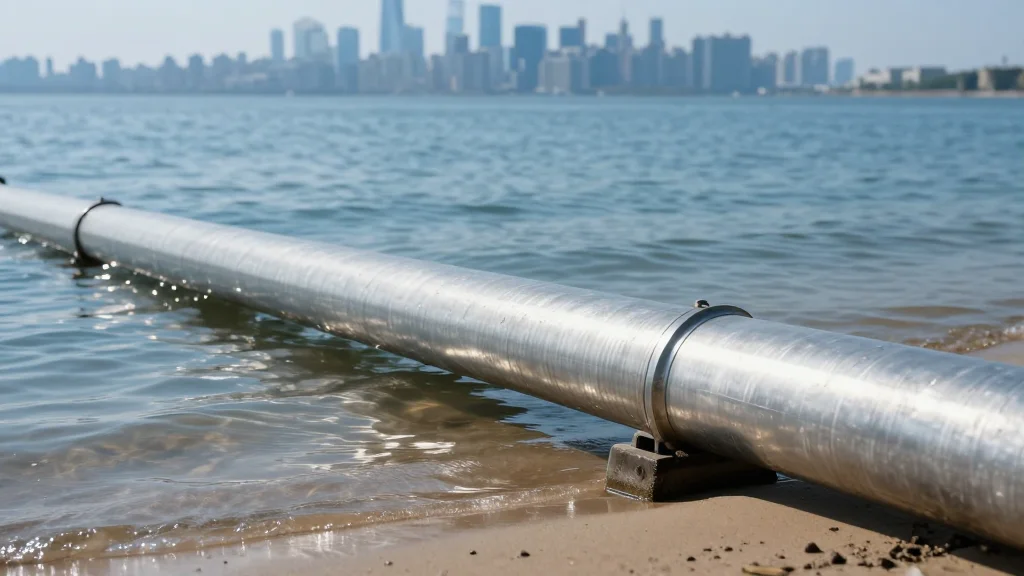
Trump Officials Pledge Swift Completion of Controversial Gas Pipeline
Why It Matters
The pipeline could reshape regional energy supply dynamics, lowering costs but also intensifying legal and environmental battles that may set precedents for future fossil‑fuel projects in densely populated corridors.
Key Takeaways
- •$1 billion, 23‑mile underwater pipeline under Raritan Bay.
- •Trump administration vows rapid completion despite state rejections.
- •Environmental groups warn of climate risk and waterway damage.
- •Project aims to boost regional energy security and lower costs.
- •Cabinet officials cite export potential and geopolitical advantage.
Pulse Analysis
The United States is witnessing a resurgence of large‑scale fossil‑fuel infrastructure under the current administration, with the New York‑area gas pipeline epitomizing that trend. While the nation’s aging energy grid struggles to meet rising demand, policymakers argue that expanding natural‑gas capacity offers a bridge to a cleaner future, leveraging lower‑carbon combustion compared with coal. By positioning the project as a catalyst for energy independence, the administration hopes to attract private capital and reinforce domestic supply chains, echoing broader national security narratives.
However, the pipeline’s route through a sensitive coastal marsh and beneath a major harbor has ignited fierce opposition from environmental advocates and local stakeholders. Critics cite the risk of methane leaks, potential damage to marine habitats, and the contradiction of investing in new fossil infrastructure amid aggressive climate targets. Legal challenges are likely, given the project’s prior state rejections, and could delay construction or force costly redesigns. The controversy underscores the growing tension between short‑term energy affordability and long‑term sustainability goals in densely populated regions.
From a market perspective, the pipeline could lower natural‑gas prices for the Northeast, a region historically dependent on expensive imported gas. If completed on schedule, it may also enable U.S. exporters to tap European and Caribbean markets, enhancing geopolitical leverage against rival energy suppliers. Yet investors will weigh the project's regulatory risk against its revenue potential, especially as renewable alternatives gain traction. The outcome will signal how aggressively the U.S. will pursue fossil‑fuel expansion in the face of mounting climate pressures.
Trump Officials Pledge Swift Completion of Controversial Gas Pipeline
Comments
Want to join the conversation?
Loading comments...