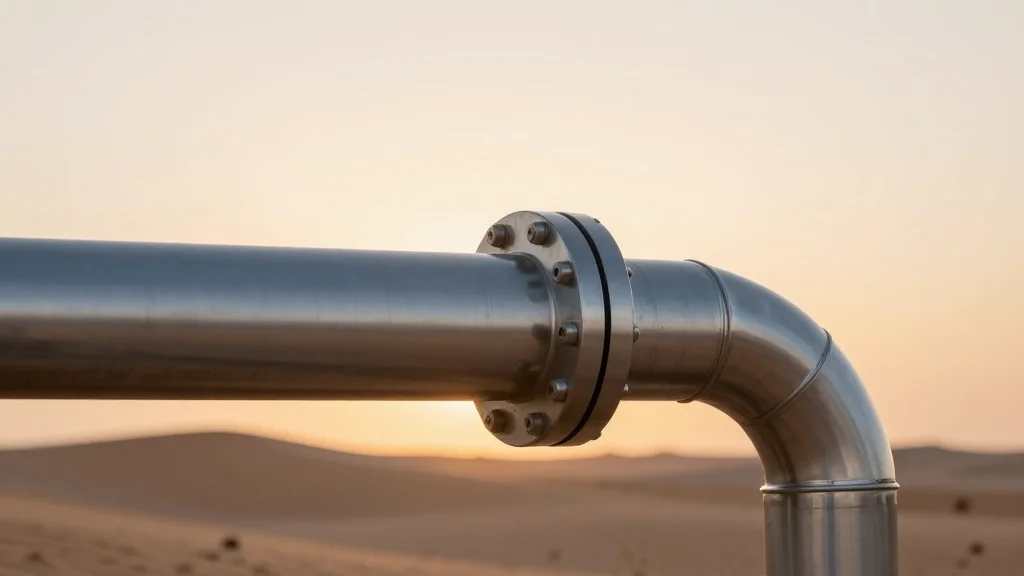
UAE State Oil Company Head Says Hormuz Bypass Pipeline Nearly 50 Percent Complete
Key Takeaways
- •ADNOC's new west‑east pipeline is about 50% built, targeting 2027 finish
- •Bypass aims to reduce reliance on Strait of Hormuz chokepoint
- •UAE exit from OPEC gives flexibility for pipeline expansion
- •IEA warns oil market could hit “red zone” if Hormuz stays disrupted
Pulse Analysis
The UAE’s Hormuz bypass pipeline reflects a long‑term strategic shift toward route redundancy in a region where geopolitical flashpoints can instantly curtail oil flows. By routing crude from inland fields directly to the port of Fujairah on the Gulf of Oman, the project sidesteps the narrow Strait of Hormuz, a corridor that handles roughly a fifth of global petroleum trade. Completion of the new line will markedly increase the volume that can be exported without transiting the strait, mitigating the risk of supply shocks that have historically spiked prices during periods of tension.
Beyond physical infrastructure, the pipeline underscores the UAE’s broader energy policy pivot following its departure from OPEC. Freed from the alliance’s production quotas, the emirate can now align output and investment decisions more closely with market signals and its own diversification goals. Analysts see the expanded export capacity as a lever to sustain revenue streams while the International Energy Agency warns that continued Hormuz instability could push oil markets into a “red zone,” where price spikes become acute. The added redundancy may therefore serve as a market stabilizer, reassuring investors of uninterrupted supply.
Geopolitical dynamics add another layer of complexity. Iran’s recent establishment of the Persian Gulf Strait Authority and its push for a tolling system intersect with U.S. naval blockades aimed at Iranian ports, creating overlapping zones of control. The UAE’s pipeline not only offers a logistical alternative but also signals a deepening energy‑security partnership with the United States, encompassing defense and technology collaboration. For global traders and downstream refiners, the project represents both a hedge against chokepoint risk and a potential shift in the balance of power that could reshape trade routes and pricing structures in the coming years.
UAE State Oil Company Head Says Hormuz Bypass Pipeline Nearly 50 Percent Complete
Comments
Want to join the conversation?