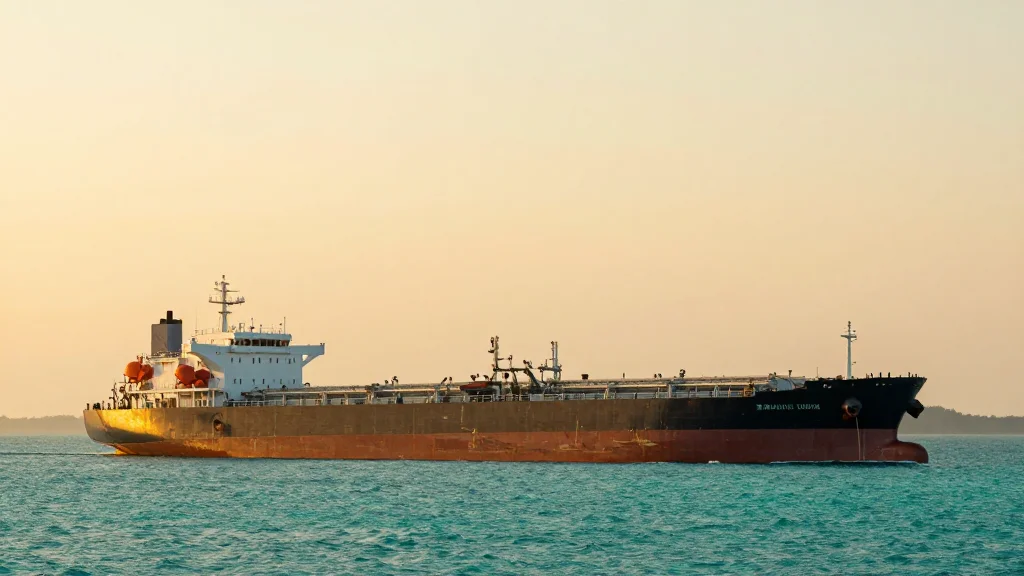
Using Today’s Futures, Don’t Expect Gasoline Prices to Soon Return to Antebellum Levels*
Key Takeaways
- •Brent futures rise, signaling higher gasoline prices
- •Regression explains 56% of gasoline price variation
- •War periods diminish futures’ predictive accuracy
- •Rocket‑and‑feather effect slows gasoline price declines
- •Hormuz shipping disruptions may keep oil prices elevated
Pulse Analysis
Futures markets have long been the benchmark for forecasting energy prices, and the latest regression analysis reinforces that link for gasoline. By examining monthly data from October 1990 through March 2026, the model captures more than half of the variance in U.S. regular‑grade gasoline, translating Brent’s June contract movements into a clear upward trajectory for pump prices. This statistical relationship, however, is not immune to geopolitical shocks; past conflicts in the early 1990s and 2003 demonstrated that futures can lag real‑time supply shocks, reducing their reliability when markets are under stress.
The current tension in the Strait of Hormuz adds a new layer of uncertainty. Analysts note that contango—where futures trade above spot—often leads to prolonged price depressions, while backwardation can signal tighter supply and higher spot prices. Shipping traffic data suggest that even a nominal reopening may not translate into immediate price relief, as insurers and carriers may remain cautious. Historical parallels, such as the post‑Suez Canal slowdown, illustrate how supply chain bottlenecks can extend price spikes well beyond the initial disruption.
Beyond market mechanics, the asymmetric “rocket and feather” response of gasoline to crude oil amplifies the impact on end users. Prices surge rapidly when crude climbs, but the descent is gradual, leaving consumers and businesses exposed to sustained cost pressures. Policymakers and corporate treasurers must therefore factor in both forward curves and the inertia of gasoline pricing when designing hedging strategies or assessing inflationary risks. Understanding these dynamics equips stakeholders to navigate a volatile energy landscape with greater confidence.
Using Today’s Futures, Don’t Expect Gasoline Prices to Soon Return to Antebellum Levels*
Comments
Want to join the conversation?