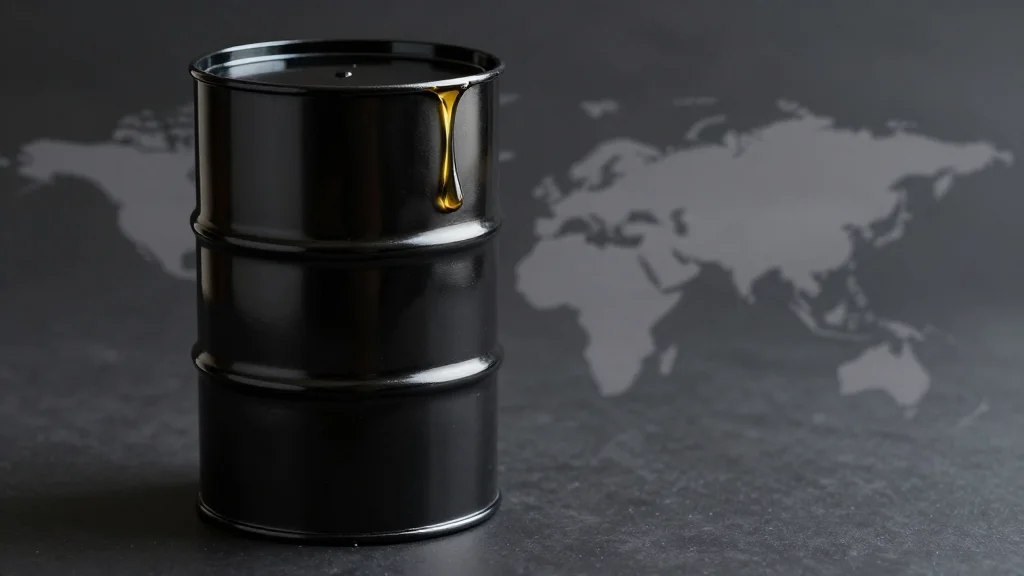
WEEKLY WEBCAST: The Oil Shock & Inflation
Key Takeaways
- •Brent price stable despite Hormuz shutdown
- •U.S. shale output unchanged by higher oil prices
- •Fertilizer constraints could push food inflation higher
- •Wage and rent trends may curb overall inflation later
- •Fed likely to tighten policy if inflation persists
Pulse Analysis
The recent closure of the Strait of Hormuz, a chokepoint for roughly 20% of global oil shipments, has not translated into a dramatic rise in Brent crude. Analysts attribute the muted response to ample strategic reserves, diversified routing options, and the fact that U.S. shale producers have not accelerated output despite price signals. With inventory buffers and a relatively inelastic short‑term demand curve, the market absorbed the supply shock without the price spikes seen in previous geopolitical events. Moreover, the market expects the Hormuz blockage to be temporary, further dampening speculative buying.
Beyond gasoline, the energy squeeze is spilling into agriculture. Natural‑gas‑based fertilizers have become scarcer and more expensive, raising production costs for staple crops. This cost pass‑through can lift food price indices even if headline inflation eases, creating a second‑order inflationary pressure that policymakers must monitor. Historical data show that food‑price shocks can sustain overall CPI momentum longer than oil‑price shocks, especially in emerging markets that import a large share of their grain supplies. In the United States, higher fertilizer costs are already reflected in rising corn and soybean futures, signaling early transmission to consumer prices.
The Federal Reserve is watching these dynamics closely. If the combined oil‑food price pressure keeps core inflation above the 2% target, the central bank is likely to maintain or even accelerate its rate‑hiking cycle in the near term. Conversely, the disinflationary drag from slowing wage growth and easing rent inflation could provide a counterbalance, allowing the Fed to pause later in the year. Market participants are also pricing in a modest probability of a rate cut only after inflation consistently trends below 2%. Investors should therefore factor both commodity volatility and the Fed’s policy trajectory into asset‑allocation decisions.
WEEKLY WEBCAST: The Oil Shock & Inflation
Comments
Want to join the conversation?