Winners and Losers of the Iran War: Ukraine and Russia
Key Takeaways
- •Iran war cut Gulf oil exports to ~10‑12 m bpd
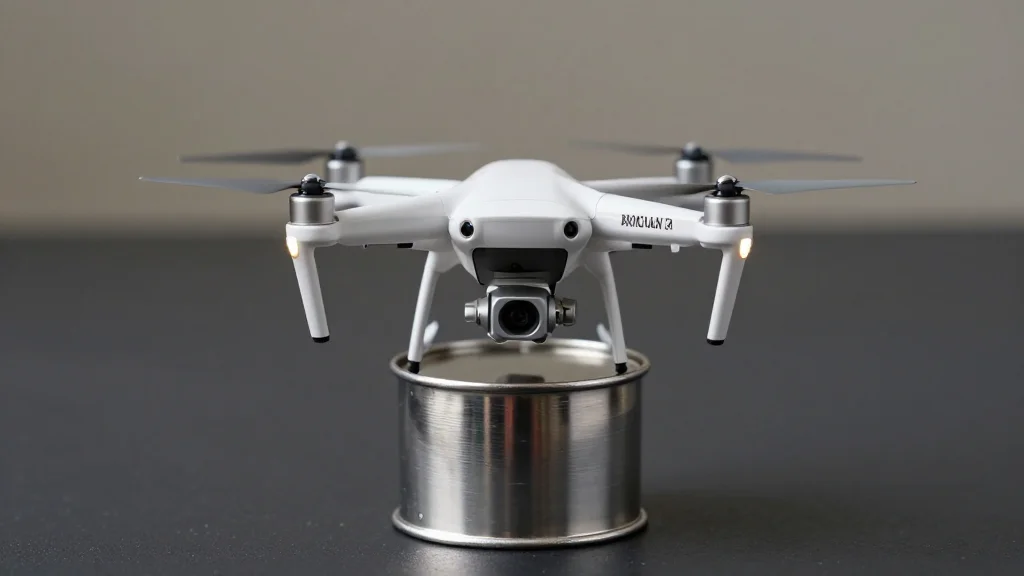
- •Ukraine’s low‑cost drones win Gulf contracts worth billions
- •Russian Baltic/Black Sea oil exports down up to 2 m bpd
- •Russia’s oil revenue spikes but faces structural export loss
- •Europe‑Ukraine bloc opposes emerging Russia‑Iran alliance
Pulse Analysis
The sudden reduction in Persian Gulf output—down from 22 million to roughly half—has turned a throughput bottleneck into a genuine supply deficit. With 400‑450 million barrels of crude effectively shut in for at least nine months, global benchmarks have surged past $100 per barrel, tightening budgets for manufacturers and transporters worldwide. Energy‑intensive economies are already feeling the strain, prompting a scramble for alternative supplies and accelerating discussions about strategic petroleum reserves.
At the same time, Ukraine’s rapid innovation in low‑cost drone technology is rewriting the rules of modern warfare. By fielding bag‑size systems that cost as little as $2,000‑$3,000 each, Kyiv has not only blunted Russian oil‑export logistics but also attracted multibillion‑dollar investment from Kuwait, Qatar, the UAE and Saudi Arabia. These deals fund production lines that will flood the Gulf market with affordable counter‑drone solutions, positioning Ukraine as a key defense supplier and reducing its reliance on Western aid.
The broader geopolitical fallout is equally profound. Russia’s overt support for Iran is prompting a realignment that sees European nations and Ukraine coalescing around a shared interest in curbing Russian energy leverage. Meanwhile, Gulf states, historically aligned with the United States, are now cultivating homegrown drone capabilities, potentially reshaping the regional security architecture. As oil revenues wane and drone exports rise, Russia faces a long‑term strategic squeeze that could alter the balance of power in Eurasia for years to come.
Winners and Losers of the Iran War: Ukraine and Russia
Comments
Want to join the conversation?