OtherEnergy
European Energy Secures €64.5M Senior Debt for Kvosted Hybrid Solar & Battery Park
•February 11, 2026
•Feb 11, 2026
0


Why It Matters
The deal highlights growing investor appetite for integrated renewable‑plus‑storage assets, accelerating Denmark’s clean‑energy transition and reinforcing Nordic energy security.
Key Takeaways
- •€64.5 m senior debt secured for Kvosted hybrid project.
- •Solar capacity 100 MW paired with 50 MW/200 MWh storage.
- •Ringkjøbing Landbobank contributes €43 m, NIB €21.5 m.
- •Hybrid model gains confidence from EU InvestEU programme.
- •European Energy’s pipeline exceeds 12 GW battery capacity.
Pulse Analysis
The €64.5 million senior debt package for Kvosted reflects a broader shift in European capital markets toward financing hybrid renewable projects. Traditional lenders such as Ringkjøbing Landbobank and the Nordic Investment Bank are increasingly comfortable providing long‑term debt when projects demonstrate robust operational data and clear regulatory support. The involvement of the EU InvestEU programme adds a layer of credibility, signaling that public‑private partnerships can de‑risk large‑scale solar‑plus‑storage ventures and attract further private capital.
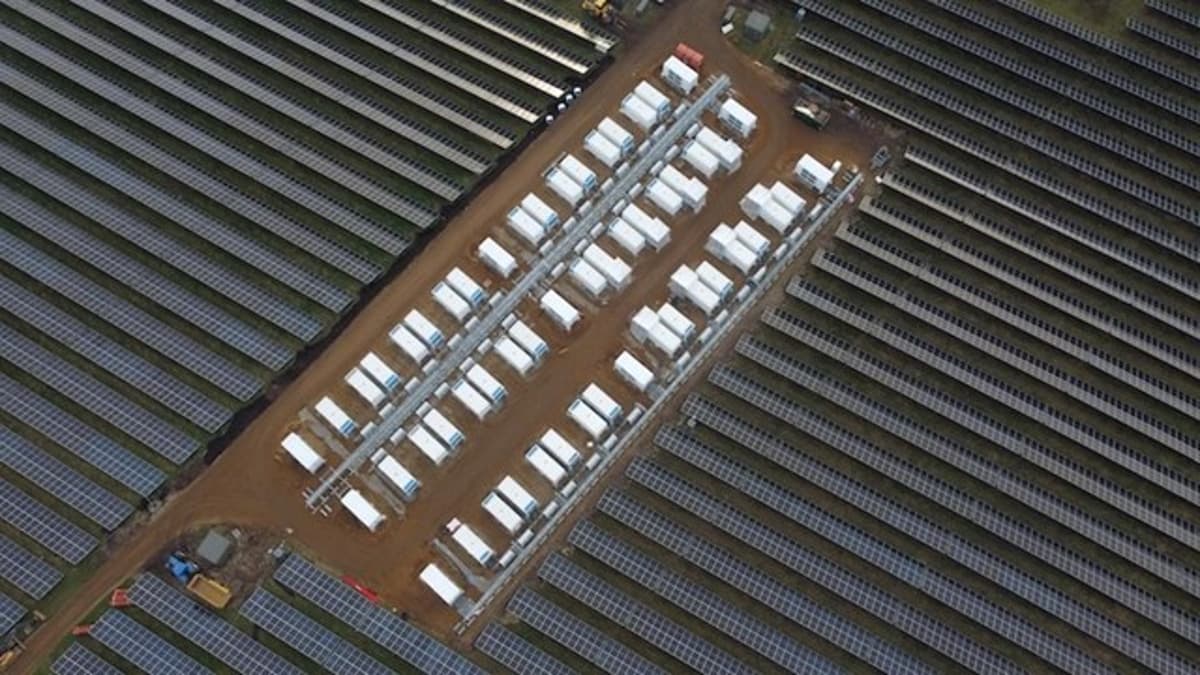
From a technical perspective, Kvosted’s 100 MW solar field coupled with a 50 MW/200 MWh battery energy storage system creates a flexible asset capable of delivering multiple grid services. The storage component smooths solar intermittency, enables peak‑shaving, and opens diversified revenue streams such as frequency regulation and capacity markets. This hybrid architecture not only improves the plant’s capacity factor but also aligns with Denmark’s ambition to balance renewable generation with demand, reducing reliance on fossil‑fuel peakers.
Strategically, the financing underpins European Energy’s aggressive hybridisation roadmap, which now includes a pipeline of more than 12 GW of battery projects across Europe. By securing long‑term debt, the company can lock in favorable financing terms, accelerate construction timelines, and deliver predictable cash flows to investors. The success of Kvosted is likely to serve as a template for future Nordic‑Baltic projects, reinforcing the region’s reputation as a testing ground for integrated clean‑energy solutions and driving further policy support for hybrid assets.
Deal Summary
European Energy completed a €64.5 million senior debt financing for its Kvosted hybrid solar and battery park in Denmark. The loan is split between Ringkjøbing Landbobank (€43 million) and the Nordic Investment Bank (€21.5 million), with additional support from the EU’s InvestEU programme.
0
Comments
Want to join the conversation?
Loading comments...