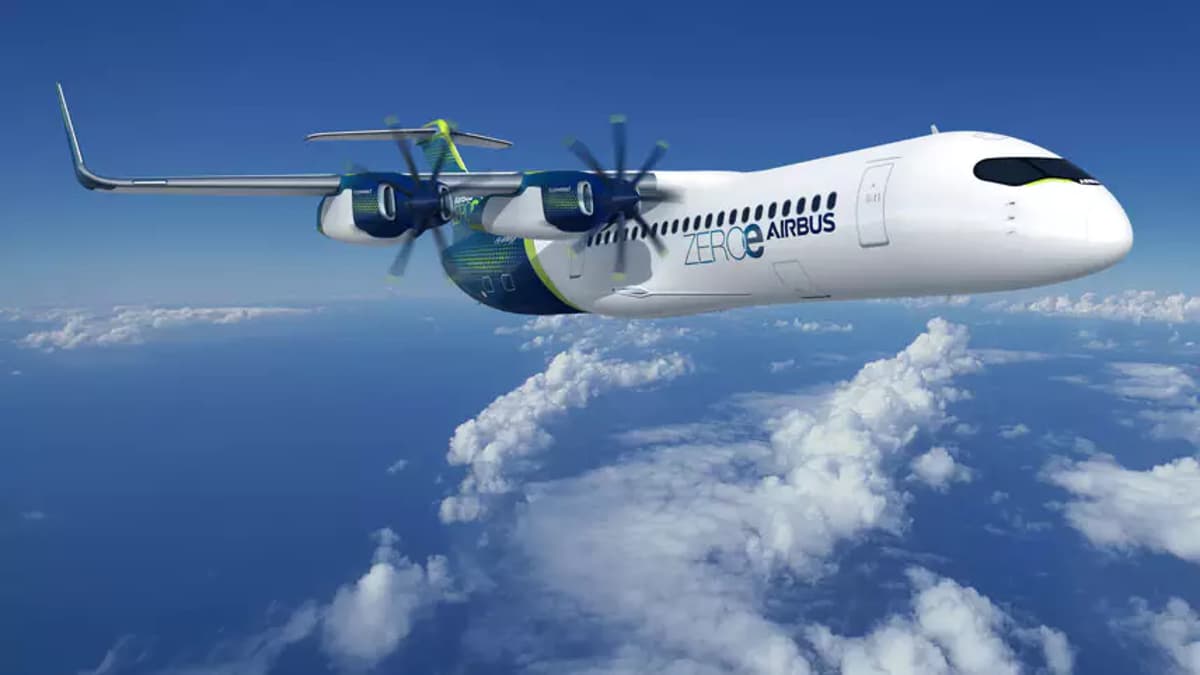
Industry Leaders Commit $239M to Hydrogen-Powered Aviation Alliance
Participants
Why It Matters
The investment could create high‑skill jobs, spur a domestic hydrogen supply chain, and give the UK a competitive edge in the emerging low‑carbon aviation market.
Key Takeaways
- •$239 M industry fund supports UK hydrogen aircraft R&D through 2028.
- •Alliance adds Intelligent Energy, developing 300 kW modular fuel‑cell for regional jets.
- •Airbus VP Andy Reynolds becomes HIA chair, steering policy and ecosystem.
- •Government adds $55 M to back green aviation research and infrastructure.
- •Goal: launch small‑scale regional hydrogen flights, cementing UK leadership.
Pulse Analysis
The race to decarbonise aviation has accelerated as airlines and manufacturers search for alternatives to jet‑fuel. Hydrogen, stored as liquid or used in fuel‑cell systems, promises zero‑emission flight but faces hurdles in energy density, infrastructure and certification. In this environment, the United Kingdom has announced a private commitment of roughly $239 million, matched by a £43 million ($55 million) government grant, to fund research, prototype development and the supporting ecosystem through 2028. The funding signals confidence that hydrogen can move from laboratory trials to commercial service.
The Hydrogen in Aviation Alliance brings together Airbus, easyJet, Rolls‑Royce, Bristol Airport and other key players, creating a coordinated front for technology and policy. The recent addition of Intelligent Energy, a veteran fuel‑cell maker that once partnered with Boeing on a manned fuel‑cell flight, adds technical depth. Its 300‑kilowatt modular fuel‑cell system is designed for regional aircraft, addressing weight and efficiency challenges that have limited earlier concepts. Under the new chairmanship of Airbus’s Andy Reynolds, the alliance will align R&D with regulatory pathways and infrastructure planning.
Beyond the environmental benefits, the initiative is poised to generate high‑skill jobs and stimulate a domestic hydrogen supply chain, from electrolyser plants to airport refuelling stations. By targeting small‑scale regional routes first, the UK aims to build a demonstrable use case that can be exported to larger markets, positioning the country as a hub for zero‑emission aviation technology. If successful, the program could reshape aircraft procurement decisions and give British firms a competitive edge as airlines worldwide commit to net‑zero targets.
Deal Summary
Airbus, Bristol Airport, easyJet and Rolls‑Royce have pledged a combined £188 million (≈$239 million) to the Hydrogen in Aviation Alliance (HIA) to fund R&D for hydrogen‑powered regional flights in the UK through 2028. The investment, announced on 19 May 2026, aims to accelerate fuel‑cell system development and infrastructure for commercial hydrogen aviation.
Comments
Want to join the conversation?
Loading comments...