Invinity Energy Systems Sells North America’s Largest VRFB Project to Pacific Steel Group
Why It Matters
These deployments validate non‑lithium LDES as viable solutions for grid resilience and high‑intensity industrial loads, accelerating diversification away from lithium‑ion batteries.
Key Takeaways
- •Google funds 19 MW CO₂‑battery pilot, targeting 2029 operation.
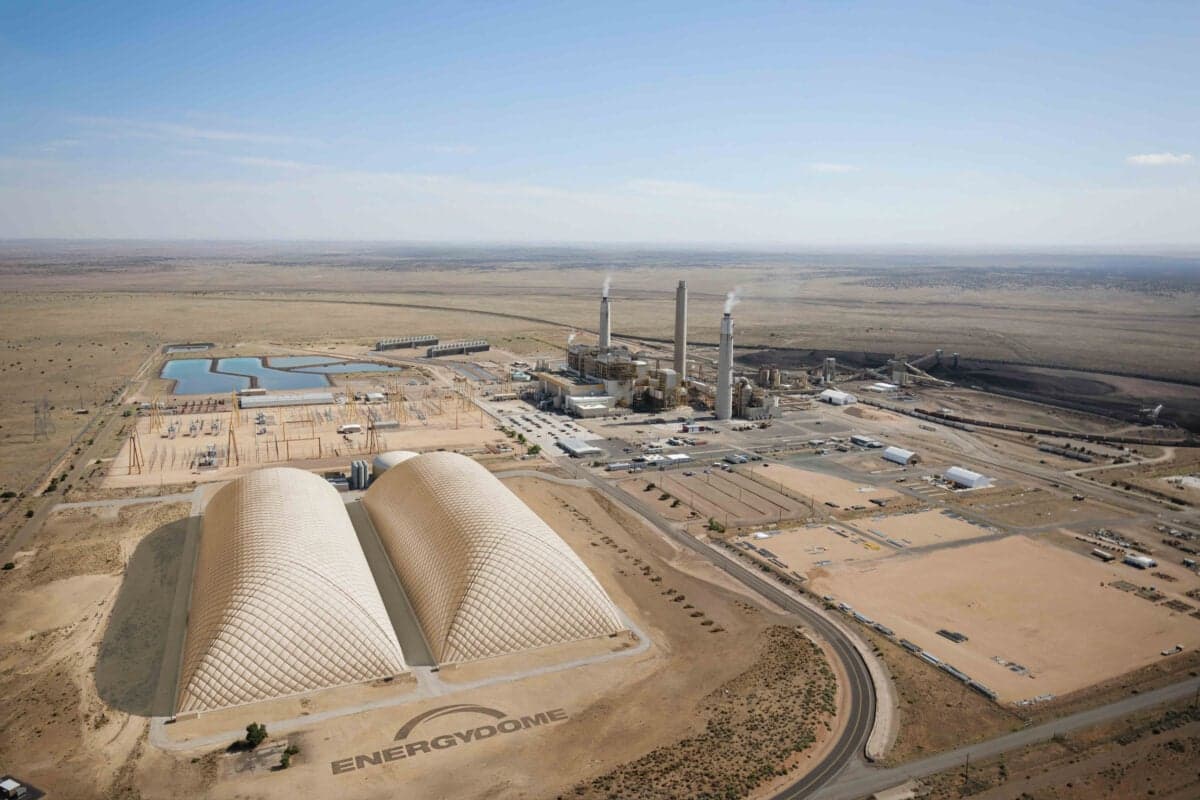
- •Energy Dome’s process stores compressed CO₂, then expands it for power.
- •Invinity wins $14 M‑grant‑backed 32 MWh VRFB for California steel mill.
- •Domestic VRFB manufacturing boosts U.S. supply chain and fire safety.
Pulse Analysis
Long‑duration energy storage (LDES) is emerging as a critical bridge between intermittent renewables and the grid’s need for reliable, multi‑hour power. Data‑center operators, especially tech giants like Google, are driving demand because their workloads require uninterrupted electricity and can benefit from storage that spans beyond the typical 4‑hour lithium‑ion window. Federal and state incentives, such as the California Energy Commission’s $14 million grant, are further nudging developers toward non‑lithium chemistries that promise lower cost, longer life and enhanced safety.
Energy Dome’s CO₂‑battery leverages a thermomechanical cycle: excess grid power compresses carbon dioxide, which is stored at high pressure and later expanded through a turbine to generate electricity. Google’s involvement goes beyond capital; it will analyze operational data to refine performance models and inform future deployments. The 19 MW pilot, slated for 2029 on Salt River Project’s network, serves as a real‑world testbed for scaling this technology, potentially offering a carbon‑neutral storage option that sidesteps the material constraints of lithium and cobalt.
Invinity’s 32 MWh vanadium redox flow battery (VRFB) project at Pacific Steel Group’s Mojave micro‑mill illustrates another pathway for LDES. The VRFB’s chemistry allows deep, rapid cycling without degradation, making it ideal for the steel mill’s fluctuating, high‑intensity loads. Domestic manufacturing of the modules strengthens the U.S. supply chain and underscores the technology’s superior fire safety—a key concern for industrial sites. Combined, these projects signal a maturing market for alternative storage solutions, positioning the United States to meet ambitious clean‑energy targets while reducing reliance on traditional lithium‑ion batteries.
Deal Summary
Invinity Energy Systems announced the sale of a 32 MWh vanadium redox flow battery project to Pacific Steel Group’s Mojave Micro Mill in California. The deal, announced on 15 June 2026, will see the VRFB system integrated with the steel mill’s microgrid and solar PV, with commissioning expected in 2027. Financial terms were not disclosed.
Comments
Want to join the conversation?
Loading comments...