Thea Energy Raises $100M Series B to Advance Pixel‑inspired Fusion Magnets
Participants
Why It Matters
The financing accelerates Thea’s unique magnet technology, which could lower the cost and complexity of building fusion reactors, a critical hurdle for the industry’s commercial viability. Success would shift competitive dynamics toward modular, software‑driven designs.
Key Takeaways
- •Thea Energy secured $100M Series B, total funding $130M.
- •Pixel-inspired modular magnets aim to simplify stellarator construction.
- •Eos demo reactor slated for 2030, commercial Helios targeted 2034.
- •Software-driven magnet tuning could lower manufacturing costs versus traditional designs.
- •Investors include US Innovative Technology Fund and several venture partners.
Pulse Analysis
Fusion energy remains the holy grail of clean power, yet the path to a commercial reactor is littered with capital‑intensive engineering challenges. In the past year, venture capital has poured more than $1 billion into magnetic‑confinement startups, reflecting both optimism and urgency. Thea Energy’s $100 million Series B, led by the U.S. Innovative Technology Fund, pushes its cumulative backing to $130 million, a level that rivals the most mature players in the field. This influx not only validates Thea’s vision but also provides the runway to scale its manufacturing footprint and begin building the Eos demonstration unit, a critical milestone that investors and policymakers watch closely.
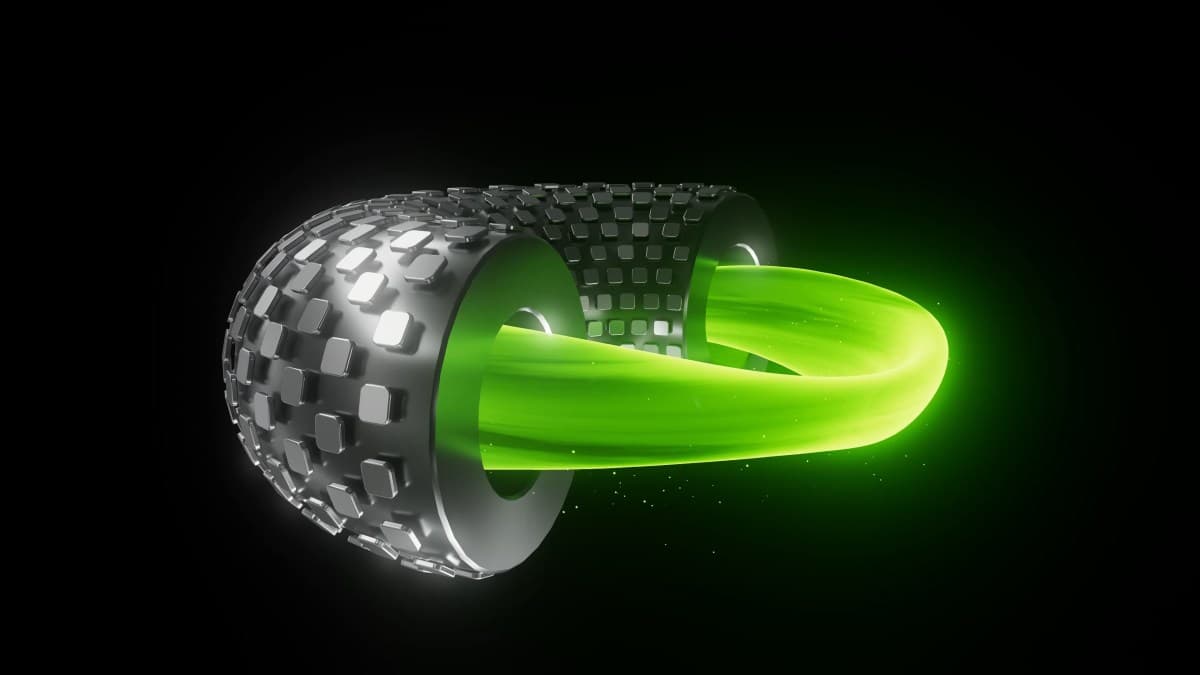
The core of Thea’s differentiation lies in its pixel‑inspired magnet architecture. Traditional stellarators rely on large, intricately shaped coils that are costly to fabricate and assemble. By breaking the magnetic field into dozens of identical rectangular magnets, Thea leverages software to fine‑tune plasma confinement, much like pixels render an image on a screen. This modularity promises faster iteration cycles, reduced tooling expenses, and easier maintenance—advantages that could compress the timeline to a commercially viable plant. The approach also mitigates the massive capital outlays required for the massive assembly halls typical of other fusion firms.
If Thea’s Eos prototype demonstrates reliable plasma control by 2030, the company could leapfrog competitors and attract additional strategic partnerships, especially as utilities and governments seek low‑carbon baseload solutions. The projected 2034 commercial launch of Helios aligns with the broader industry race, where rivals such as Commonwealth Fusion Systems target early‑2030 deployments. The blend of substantial funding, novel hardware, and software integration positions Thea as a potential catalyst for a more cost‑effective fusion roadmap, a development that could reshape investment flows and accelerate the transition to carbon‑free electricity.
Deal Summary
Thea Energy announced a $100 million Series B round led by U.S. Innovative Technology Fund, bringing its total private funding to $130 million. The capital will be used to scale magnet manufacturing and begin construction of its Eos demonstration reactor. Other participating investors include General Innovation Capital Partners, Linse Capital, Calm Ventures, Climate Capital, Divergent Capital, Emerald Technology Ventures, Gaingels, Idemitsu Kosan, Overlay Capital, Timescale Ventures and What If Ventures.
Comments
Want to join the conversation?
Loading comments...