Companies Mentioned
Why It Matters
Higher oil and gasoline costs feed into broader inflation, squeezing consumers and businesses, while the energy sector’s strong returns highlight a shift in capital toward commodities amid geopolitical risk.
Key Takeaways
- •Iran attack shut Strait, cutting ~25% of oil flow
- •U.S. crude output 13.7 M bpd, yet prices > $100 per barrel
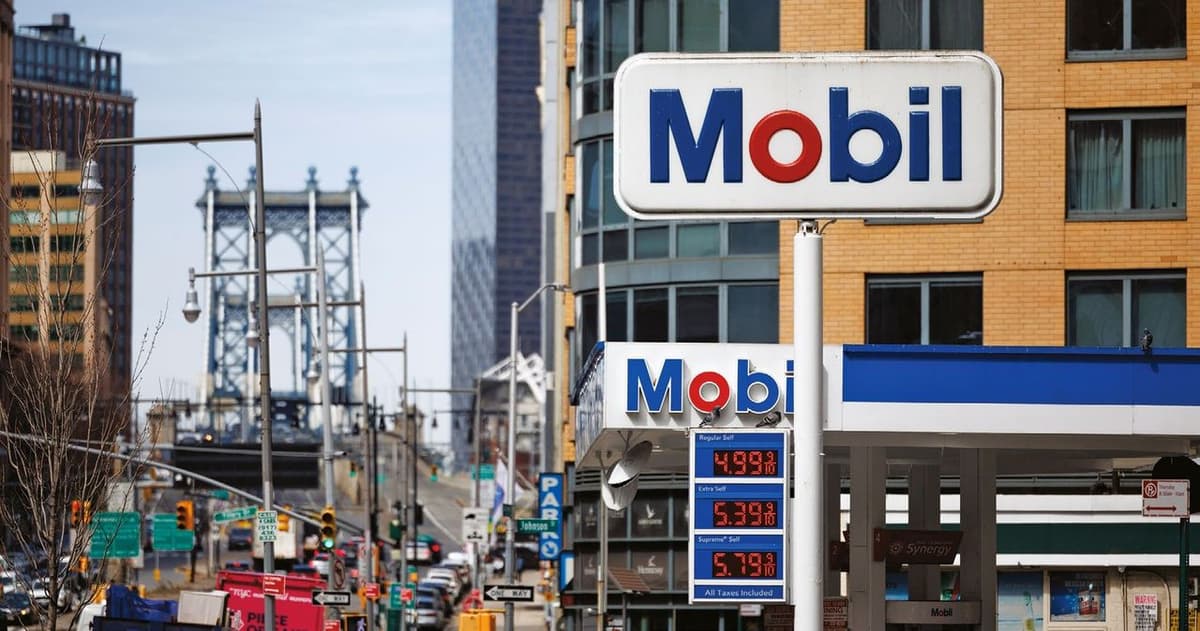
- •Gasoline up 35%, average $3.96 per gallon
- •Energy sector ETF up 34% while S&P down 3.9%
- •AI data centers could double electricity demand by 2030
Pulse Analysis
The recent military action against Iran has reignited the age‑old link between geopolitics and oil markets. By effectively closing the Strait of Hormuz—a chokepoint that handles a quarter of the world’s petroleum flow—shipping insurers have raised premiums and carriers have rerouted vessels, tightening global supply. Traders in New York, London and Chicago reacted instantly, bidding up Brent and WTI futures. The result is a price breach of $100 per barrel, a level not seen since the early 2010s, and a cascade of higher costs for gasoline, diesel and heating oil across the United States.
For consumers, the price shock translates into a tangible pinch on household budgets. The national average gasoline price has climbed to $3.96 per gallon, roughly a 35% jump from pre‑conflict levels, while freight operators report an extra $360 per long‑haul truckload. These higher transport costs ripple through the economy, inflating food prices—especially given that agriculture consumes about half its input energy in the form of diesel and fertilizer derived from natural gas. Meanwhile, investors have flocked to energy equities; the State Street Energy Select Sector SPDR has delivered a 34% gain, starkly outpacing the S&P 500’s 3.9% decline, underscoring a risk‑on shift toward commodities amid supply uncertainty.
Looking ahead, the energy landscape faces dual pressures: constrained oil flows and soaring electricity demand from data‑intensive technologies. Artificial intelligence workloads are projected to double power consumption by 2030, intensifying the strain on a grid already reliant on natural‑gas‑fired generation. Policymakers and industry leaders must therefore accelerate diversification—expanding renewables, modernizing grid infrastructure, and securing alternative oil transport routes—to mitigate future shocks. The convergence of geopolitical risk, inflationary pressure, and emerging tech demand suggests that energy security will remain a top priority for both investors and governments in the coming decade.
10 Things You Should Know About Oil and Prices
Comments
Want to join the conversation?
Loading comments...