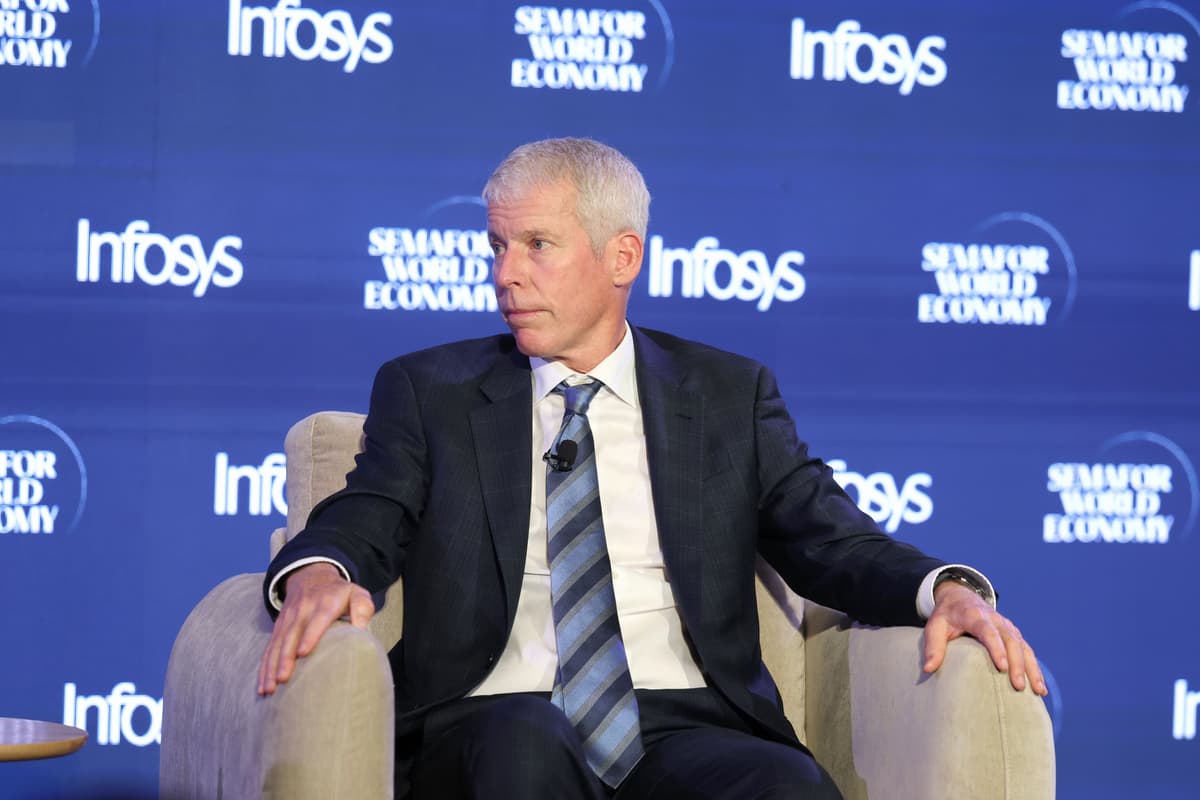
150M Barrels of Venezuelan Oil Sold Since January, US Energy Secretary Says
Companies Mentioned

Why It Matters
The surge in Venezuelan oil sales signals a rapid re‑entry of U.S. energy firms into a previously sanctioned market, while the Hormuz blockade adds upward pressure on global oil prices, affecting inflation and corporate costs.
Key Takeaways
- •150 million barrels of Venezuelan oil sold since Jan 3, per US Energy Secretary
- •Venezuela’s output rose above 1.2 million barrels per day, up from ~1 million
- •About 50 million barrels sit in on‑shore storage after tankers were blockaded
- •Chevron signed two agreements to expand its Venezuelan production
- •US Hormuz blockade pushes oil above $100 a barrel
Pulse Analysis
The United States is quietly reshaping its energy strategy by unlocking Venezuelan oil after the political turnover that ousted Nicolás Maduro. Chris Wright’s estimate of 150 million barrels sold since early January underscores a rapid acceleration in production, now exceeding 1.2 million barrels per day. This surge is driven by a concerted push to bring U.S. majors back into the country, highlighted by Chevron’s new agreements that promise to expand on‑shore and offshore output. For investors, the renewed U.S. presence signals a potential upside in Venezuelan assets that were long‑held in limbo by sanctions.
At the same time, the U.S. blockade of the Strait of Hormuz introduces a fresh source of volatility to the global oil market. By restricting a key maritime chokepoint, the move has already nudged Brent and WTI prices above the $100‑a‑barrel threshold, a level not seen since the early 2020s. Traders are weighing the duration of the blockade against the risk of a broader escalation with Iran, which could keep supply tight and price spikes persistent through the summer. The situation forces energy‑intensive industries to reassess budgeting and hedging strategies as the price outlook remains uncertain.
Looking ahead, the convergence of Venezuelan production growth and Hormuz‑related supply constraints creates a complex risk‑reward landscape. Companies like Chevron are positioning themselves to capture higher margins, but they must navigate geopolitical headwinds and potential regulatory reversals. Meanwhile, U.S. policymakers are balancing the desire for energy security with the diplomatic fallout of a prolonged Hormuz standoff. Stakeholders—from commodity traders to downstream refiners—will need to monitor policy signals closely, as any shift could quickly alter the pricing dynamics that are currently keeping oil at premium levels.
150M barrels of Venezuelan oil sold since January, US energy secretary says
Comments
Want to join the conversation?
Loading comments...