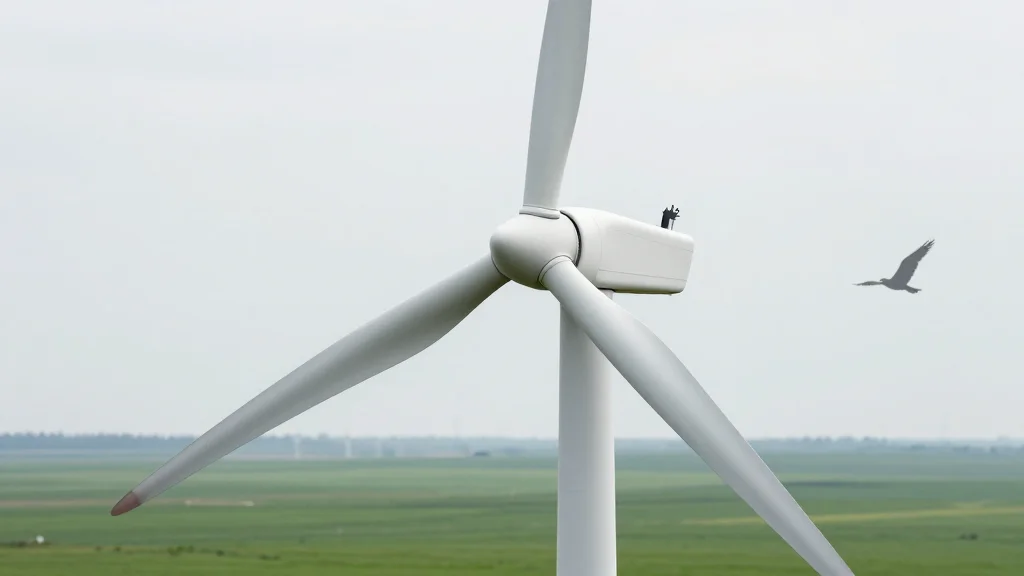
250+ Onshore Wind Projects Stalled as Pentagon Freezes Permitting
Why It Matters
The DOD freeze jeopardizes a significant chunk of the United States’ renewable‑energy pipeline, delaying clean power needed for industrial growth and climate goals. It also raises financial risk for developers and could slow progress toward national decarbonization targets.
Key Takeaways
- •Over 250 onshore wind projects halted by DOD permitting freeze
- •Potential 30 GW of generation capacity now at risk
- •No DOD mitigation deals since August, stalling 60 projects
- •Developers face lease costs and risk missing federal tax‑credit deadlines
- •DOD pause may delay clean power for data centers and factories
Pulse Analysis
The Department of Defense’s Military Aviation and Installation Assurance Siting Clearinghouse has long served as the gatekeeper for wind turbines near military installations, ensuring they do not interfere with radar, flight paths, or other critical operations. Historically, the review process was swift, often concluding within days after developers and the DOD reached mitigation agreements. This procedural predictability allowed onshore wind developers to plan financing, construction, and interconnection with confidence, integrating renewable projects into the broader energy mix without significant regulatory surprises.
Since the DOD’s abrupt suspension of these reviews, more than 250 onshore wind projects—representing about 30 GW of prospective capacity—are now in limbo. At least 60 projects were already negotiating mitigation terms when the pause took effect, leaving them unable to secure the federal Production Tax Credit that expires on a tight schedule. Developers must continue paying land leases and maintaining grid connections, eroding project economics and potentially pushing projects beyond the eligibility window for tax incentives. The financial strain is compounded by the One Big Beautiful Bill Act’s shortened credit timelines, which amplify the urgency of timely approvals.
The broader implications extend beyond individual projects. The United States aims to add hundreds of gigawatts of renewable capacity by 2030 to meet climate commitments and power data‑intensive industries. A bottleneck at the permitting stage threatens to slow that trajectory, increasing reliance on fossil‑fuel generation and inflating electricity costs for manufacturers and consumers. Policymakers may need to intervene—either by clarifying the DOD’s national‑security criteria or establishing an expedited review pathway—to reconcile security concerns with the nation’s clean‑energy ambitions. Resolving the stalemate could unlock critical wind capacity, bolster grid resilience, and keep the United States on track for its decarbonization goals.
250+ onshore wind projects stalled as Pentagon freezes permitting
Comments
Want to join the conversation?
Loading comments...