3rd US State Allows Plug & Play Solar Power
Why It Matters
By removing local bans, Virginia accelerates residential solar adoption and reduces soft‑cost barriers, boosting the clean‑energy transition in a market hungry for affordable rooftop alternatives.
Key Takeaways
- •Virginia bans local bans on balcony solar up to 1.2 kW
- •Plug‑and‑play panels must meet NEC and UL certification
- •No power export allowed; systems stay grid‑connected only for consumption
- •Law mirrors earlier Utah, Maine statutes, creating a regional trend
- •Simplified permitting could accelerate residential solar to near‑50% penetration
Pulse Analysis
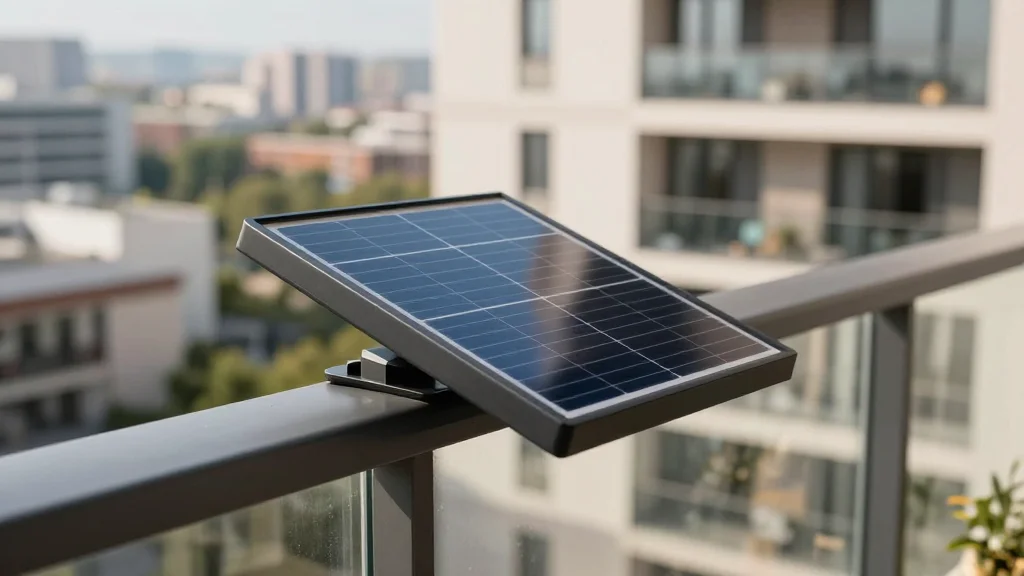
Plug‑and‑play solar, often called balcony or window‑mounted PV, has emerged as a low‑cost, low‑maintenance alternative to traditional rooftop installations. By packaging pre‑wired, pre‑rated modules that snap onto existing structures, these systems sidestep the lengthy permitting processes and upfront engineering that have slowed residential adoption. Industry analysts estimate that plug‑and‑play units could capture up to 5 % of the U.S. residential solar market within five years, especially in dense urban areas where roof space is scarce. The technology also aligns with the broader trend toward modular, consumer‑friendly clean‑energy solutions.
Virginia’s HB 395, the state’s third plug‑and‑play solar law after Utah and Maine, removes municipal authority to prohibit installations that meet specific safety criteria. The statute caps systems at 1.2 kW, requires compliance with the latest National Electrical Code, and mandates certification by a nationally recognized testing laboratory such as UL. By prohibiting power export, the law avoids complex net‑metering disputes while still allowing homeowners to offset their own consumption. Early adopters in Virginia are already reporting faster installation timelines and lower soft‑costs, a pattern echoed in the two pioneer states.
The legislative momentum suggests that other states may soon follow, creating a de‑facto national framework for balcony solar. Utilities stand to benefit from reduced peak‑load stress as more households generate on‑site electricity, while manufacturers can scale production of standardized, UL‑listed modules. However, challenges remain, including ensuring long‑term durability on varied building envelopes and addressing homeowner association restrictions that fall outside municipal bans. Policymakers will need to balance consumer flexibility with grid reliability, but the Virginia precedent provides a clear template for expanding residential solar participation.
3rd US State Allows Plug & Play Solar Power
Comments
Want to join the conversation?
Loading comments...