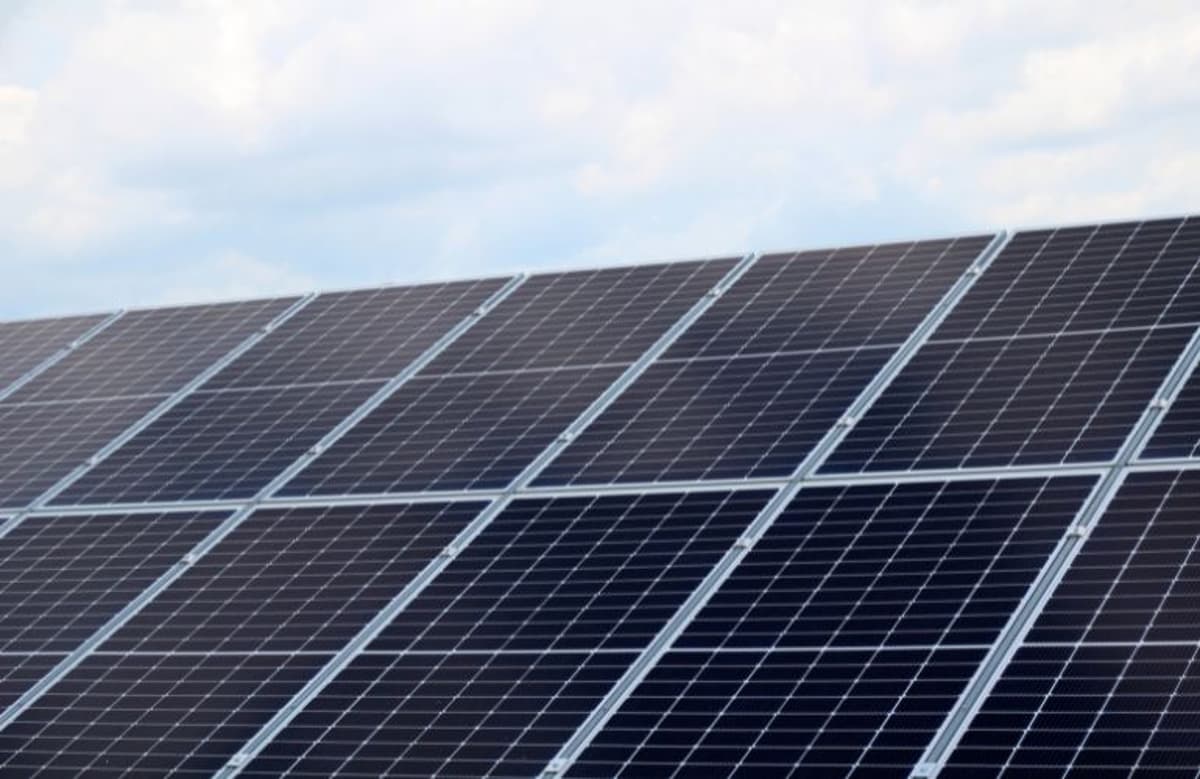
5-MW Solar Project Largely Financed by Microsoft Suppliers Seeking Renewable Energy Certificates
Why It Matters
The deal shows how corporate procurement can unlock financing for mid‑size solar projects, accelerating renewable‑energy deployment while helping Microsoft meet its supply‑chain decarbonization goals.
Key Takeaways
- •Microsoft suppliers purchase RECs to finance 5‑MW Baron solar project
- •Ever.green’s high‑impact RECs provide revenue certainty for new solar builds
- •Project brings clean power and tax revenue to low‑income Anson County
- •Supplier Code of Conduct pushes vendors toward 100% carbon‑free electricity by 2030
- •Headwater Energy operates the solar farm delivering power to Pee Dee Electric
Pulse Analysis
The 5‑MW Baron solar farm in Anson County illustrates how renewable‑energy certificates can unlock financing for projects that otherwise stall. Lenders typically demand long‑term contracted revenue before committing capital, a hurdle for many small‑ and mid‑size developments. Ever.green’s high‑impact REC platform aggregates demand from multiple corporate buyers, converting that commitment into the revenue certainty developers need. By bundling the purchases of Microsoft’s supply‑chain partners, the platform created a viable cash flow stream, allowing Headwater Energy to close construction financing and bring the plant online ahead of schedule.
Microsoft’s Supplier Code of Conduct mandates that large suppliers transition to 100 % carbon‑free electricity by 2030, turning procurement into a climate lever. The collective REC purchase by firms such as Slalom, Centific and Visionet not only satisfies internal sustainability targets but also signals market demand for clean power. By committing to high‑impact RECs, these suppliers reduce Scope 3 emissions associated with the services they deliver to Microsoft’s customers, creating a ripple effect through downstream supply chains. This model demonstrates how corporate procurement policies can catalyze renewable‑energy investment at scale.
Beyond corporate goals, the Baron project delivers tangible benefits to Anson County, a rural, low‑income area southeast of Charlotte. The solar farm generates property‑tax revenue that funds schools, emergency services and other public programs, while the electricity feeds into the Pee Dee Electric cooperative, enhancing grid resilience. As more companies adopt high‑impact REC strategies, similar projects can be replicated in underserved regions, aligning climate action with economic development. This approach could reshape financing norms, making community‑scale solar a mainstream component of the United States’ clean‑energy transition.
5-MW solar project largely financed by Microsoft suppliers seeking renewable energy certificates
Comments
Want to join the conversation?
Loading comments...