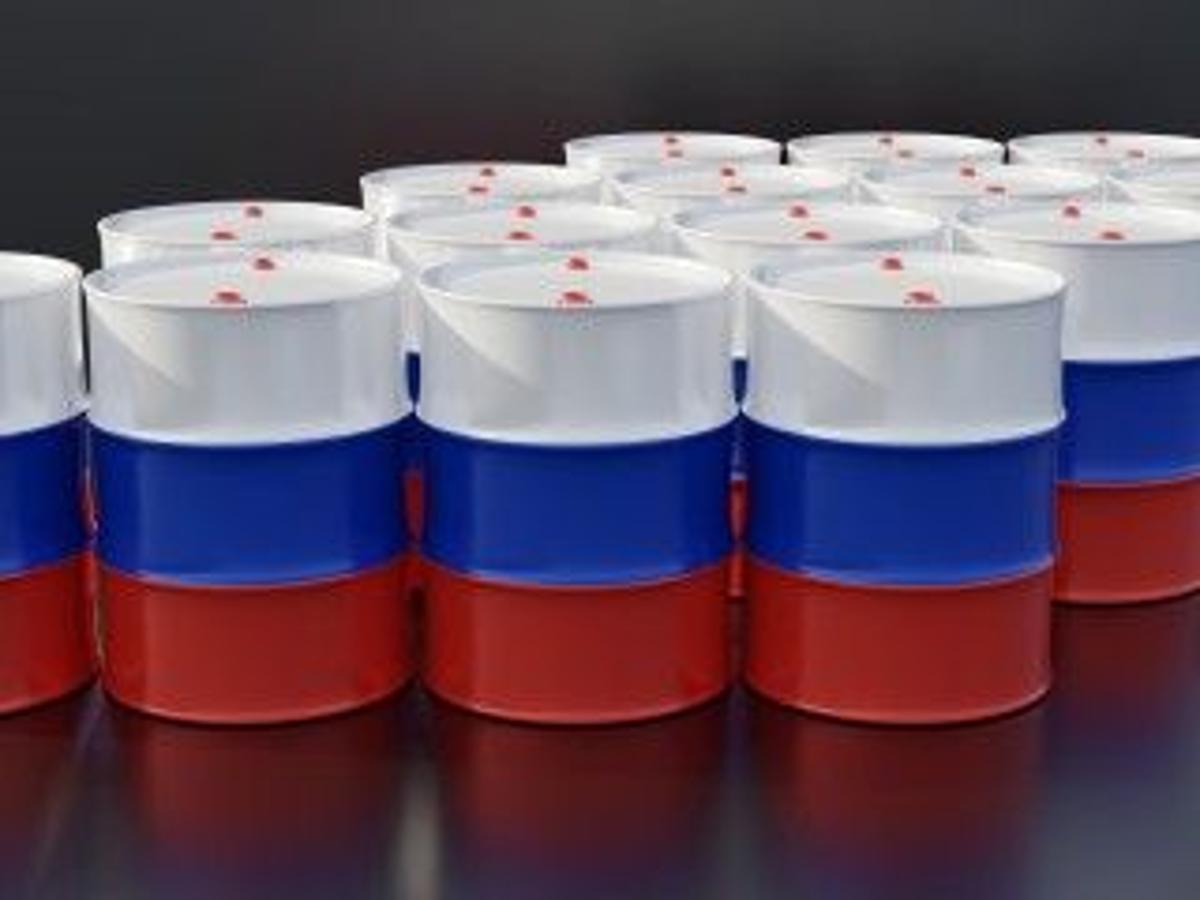
A Drop of 300-400 Thousand Barrels per Day. How Are Ukrainian Attacks Damaging Russian Oil Exports?
Why It Matters
The output loss erodes a quarter of Russia’s budget revenue, tightening fiscal pressures and reshaping global oil supply dynamics amid geopolitical tensions.
Key Takeaways
- •Ukrainian drones cut Russian oil output by 300‑400k bpd in April.
- •Damage hits Leningrad, Primorsk, and Novorossiysk export terminals.
- •Druzhba pipeline disruption reduces shipments to Hungary and Slovakia.
- •IEA forecasts Russia will export 120k fewer barrels daily by year‑end.
- •Higher global fuel prices may offset Russia’s budget shortfall.
Pulse Analysis
The recent wave of Ukrainian drone operations has turned Russian oil infrastructure into a battlefield, delivering a production shock that reverberates through global markets. By targeting the Leningrad, Primorsk, and Novorossiysk ports—critical gateways for Europe and Asia—Ukrainian forces have not only curtailed daily output but also introduced logistical bottlenecks that raise shipping costs and delay deliveries. The collateral damage to the Druzhba pipeline, a historic conduit to Central Europe, compounds the supply squeeze, forcing import‑dependent nations to seek alternative sources or renegotiate contracts.
For Moscow, the timing is especially precarious. Oil revenues fund roughly 25% of the federal budget, and the abrupt 300,000‑400,000 barrel‑per‑day shortfall threatens to widen the fiscal deficit. Finance Minister Anton Siluanov is banking on sustained high global fuel prices—driven in part by the Iran‑related Hormuz crisis—to offset the loss. However, any de‑escalation in the Middle East or a durable U.S.–Iran agreement could depress prices, leaving Russia with a double‑edged challenge of reduced export capacity and weaker revenue streams.
Looking ahead, the International Energy Agency’s projection of a 120,000‑barrel daily deficit by year‑end signals a longer‑term contraction in Russian supply. This may prompt OPEC+ to adjust quotas, while European refiners could accelerate diversification toward non‑Russian crude. Meanwhile, Russia may intensify efforts to protect remaining export routes, invest in rapid repair capabilities, or leverage strategic stockpiles to stabilize domestic markets. The evolving interplay of military pressure, energy policy, and market forces will shape oil price volatility and geopolitical alignments throughout 2026.
A drop of 300-400 thousand barrels per day. How are Ukrainian attacks damaging Russian oil exports?
Comments
Want to join the conversation?
Loading comments...