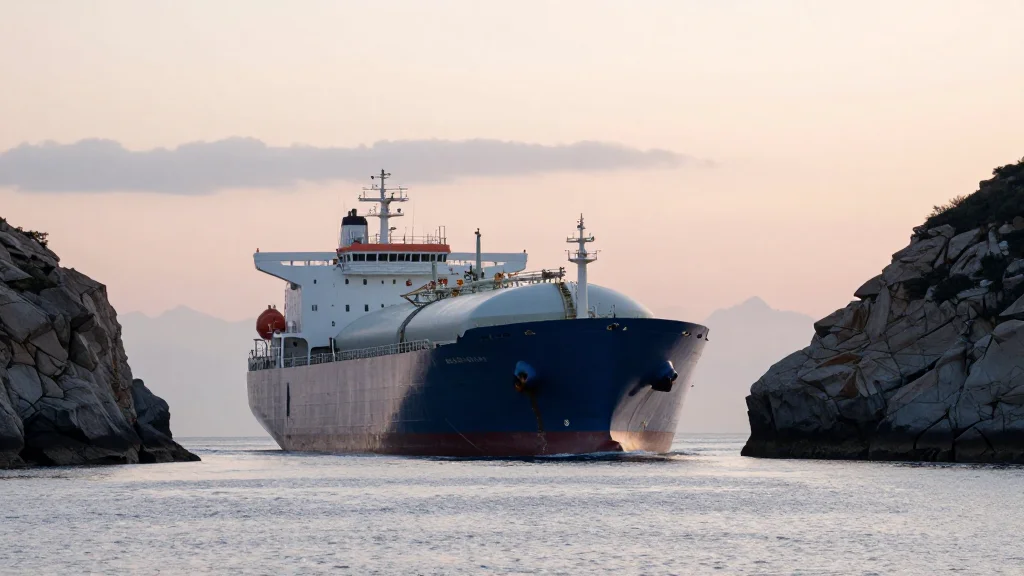
A More Resilient Europe Faces a Renewed Energy Shock – but Difficult Trade-Offs May Resurface
Why It Matters
The shock directly curtails Europe’s post‑pandemic growth momentum and raises inflation, forcing governments to balance short‑term relief with long‑term energy security and fiscal sustainability.
Key Takeaways
- •Shipping disruption in Hormuz cuts global oil and LNG flows.
- •EU GDP growth 2026 forecast lowered to 1.1%, inflation up to 3.1%.
- •Energy shock milder than 2021‑22 thanks to higher renewable share.
- •Broad subsidies cost ~0.07% of EU GDP in 2026, risk inflation.
- •Targeted aid and renewable investment essential for long‑term resilience.
Pulse Analysis
The latest Middle‑East conflict has choked the Strait of Hormuz, a key artery for seaborne oil and liquefied natural gas. The resulting supply squeeze reverberates through global markets, lifting benchmark crude and gas prices and exposing Europe’s lingering reliance on imported fossil fuels. Even with diversified supply contracts and expanded LNG capacity, the EU cannot fully insulate its economy from such external shocks, and the higher import bill translates into a negative terms‑of‑trade that erodes real incomes and dampens demand.
Europe’s resilience has improved markedly since the 2021‑22 crisis, largely due to the REPowerEU agenda and accelerated renewable deployment. Over the past five years, the bloc cut gross energy consumption by roughly 20% and shifted electricity generation away from gas, which has muted the pass‑through of gas price spikes to power costs. Consequently, the current price shock is less severe, with oil and gas futures expected to stabilize above pre‑conflict levels but well below the dramatic peaks of the previous crisis. This structural shift buys policymakers time, yet the outlook remains contingent on the duration of the shipping disruption.
The policy dilemma centers on fiscal response. Broad‑based fuel‑tax cuts and price caps, while cushioning households, have already cost about 0.07% of EU GDP this year and risk reinforcing inflationary pressures if prolonged. Targeted measures for vulnerable groups, coupled with sustained investment in renewable generation, grid upgrades, storage and efficiency, offer a more sustainable path. By directing public funds toward the energy transition rather than subsidising fossil imports, Europe can reinforce its long‑term resilience and avoid a fiscal backlash that could undermine monetary policy and future growth.
A more resilient Europe faces a renewed energy shock – but difficult trade-offs may resurface
Comments
Want to join the conversation?
Loading comments...