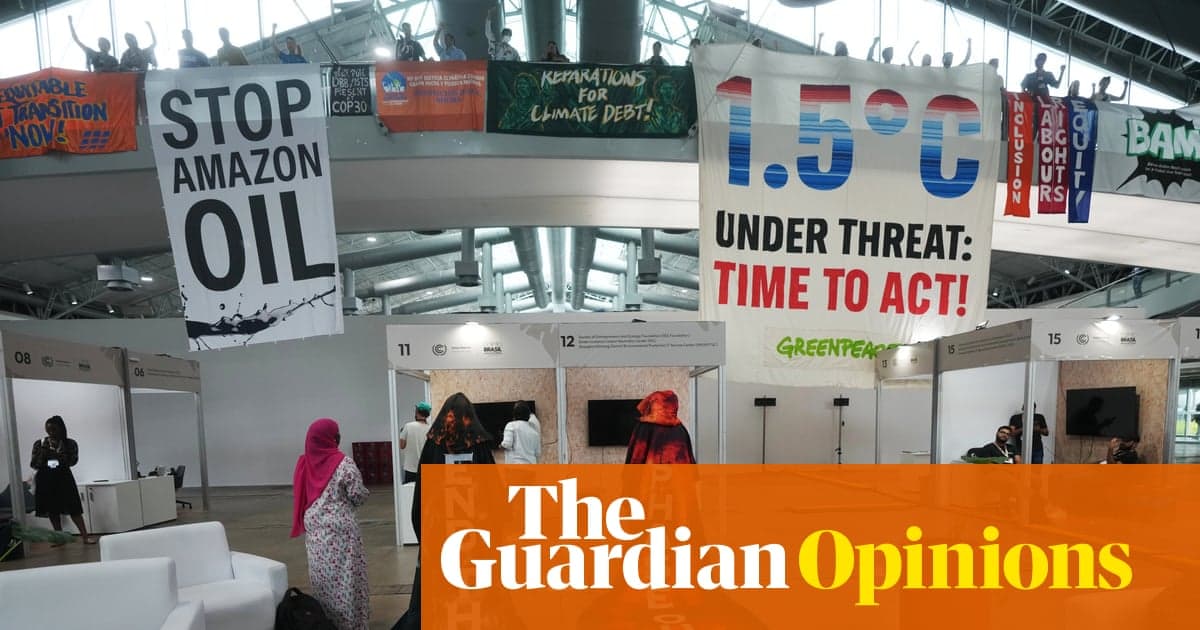
A New Economic Superpower Could Spark a Global Retreat From Fossil Fuels | Mark Hertsgaard and Kyle Pope
Companies Mentioned
Why It Matters
The coalition’s sheer economic scale can shift investment flows away from fossil fuels, accelerating the global energy transition and reshaping climate‑related market dynamics.
Key Takeaways
- •85 nations form “coalition of the willing” for transition
- •Combined GNP $33.3 tn exceeds US economy
- •Conference in Colombia uses majority rule, bypassing UN veto
- •Goal: phase out $7 tn annual fossil fuel subsidies
- •California’s $4.1 tn GDP could lift coalition to $37.4 tn
Pulse Analysis
The upcoming Just Transition conference in Colombia marks a strategic pivot from diplomatic wrangling to market‑centric climate action. By sidestepping the UN’s consensus requirement, the gathering can adopt majority‑rule decisions, allowing the 85 participating economies to lock in concrete timelines for fossil‑fuel phase‑outs. This procedural shift reduces the veto power of traditional petrostates and creates a platform where economic incentives, rather than political compromise, drive the agenda.
Economic heft is the coalition’s most compelling lever. With a combined GNP of $33.3 trillion—surpassing the United States’ $30.6 trillion and China’s $19.4 trillion—the group can influence capital allocation on a scale comparable to a single super‑nation. Investors will watch for credible roadmaps that detail how to unwind $7 trillion in subsidies without destabilising labour markets, prompting a re‑pricing of stranded‑asset risks across oil, gas and coal sectors. The potential inclusion of California’s $4.1 trillion economy pushes the bloc toward $37.4 trillion, further tightening the financial narrative that clean‑energy investments now offer superior returns.
Beyond finance, the conference signals a broader geopolitical realignment. By rallying both Global‑North and Global‑South powers—Germany, the UK, Brazil, Mexico, and others—the coalition demonstrates that climate ambition can transcend traditional alliances. The involvement of sub‑national leaders, Indigenous groups, and trade unions adds social legitimacy, ensuring that transition plans address equity concerns. If the coalition delivers a viable, inclusive roadmap, it could catalyse a cascade of policy reforms worldwide, echoing the market‑driven momentum that followed the 2015 Paris Agreement.
A new economic superpower could spark a global retreat from fossil fuels | Mark Hertsgaard and Kyle Pope
Comments
Want to join the conversation?
Loading comments...