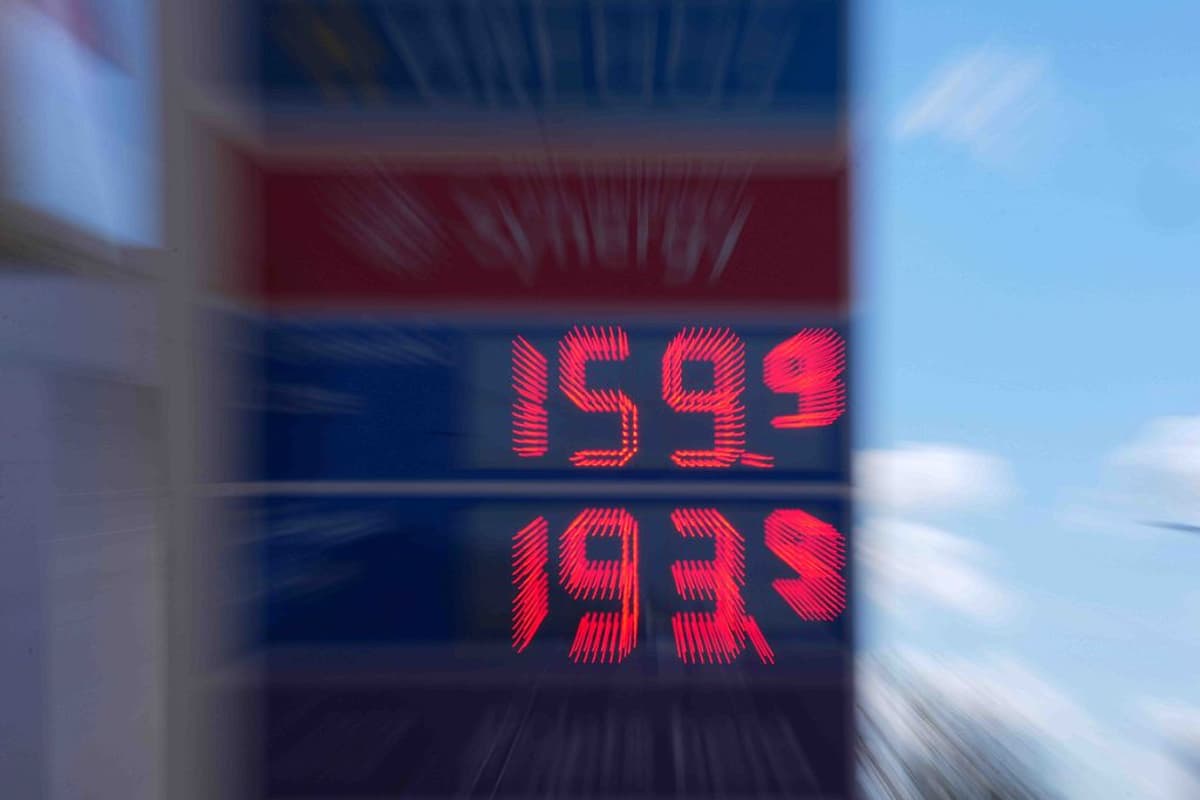
Why It Matters
Rising energy costs and supply uncertainty threaten corporate margins, inflation, and the stability of the dollar‑centric financial system, making the crisis a pivotal risk for investors and policymakers alike.
Key Takeaways
- •Brent crude reached $115 per barrel, highest since 2022.
- •US oil execs doubt Strait of Hormuz traffic normalizing before Aug.
- •Gulf sovereign‑wealth funds consider emergency dollar swap line with US Treasury.
- •Europe and Japan appear more vulnerable to prolonged energy shocks than US/China.
- •Energy market volatility undermines stock price optimism, raising investor risk.
Pulse Analysis
The current energy squeeze mirrors the early days of the Covid pandemic, where a single shock reverberated across supply chains and consumer behavior. Brent crude’s climb to $115 a barrel reflects not only geopolitical tension in the Persian Gulf but also the lingering effects of war‑induced production cuts. With the Strait of Hormuz—through which roughly a third of global oil passes—still partially blockaded, executives from the Federal Reserve Bank of Dallas report that 80% doubt traffic will normalize before August, and 40% see a return only after November. This prolonged bottleneck tightens global inventories, pushing diesel freight costs to record highs and forcing Asian importers to divert scarce barrels away from European ports.
Meanwhile, the Gulf’s sovereign‑wealth funds, collectively holding about $5 trillion, are quietly exploring an emergency dollar swap line with the U.S. Treasury. Such a line would provide immediate dollar liquidity, preventing a cascade of asset sales that could destabilize both regional stock markets and the broader U.S. Treasury market. Although no formal request has been made, the mere discussion signals a potential shift in the dollar’s dominance, especially if Gulf states consider pricing oil in yuan to hedge against future shortages. For investors, the message is clear: traditional safe‑haven assets may not be insulated from energy‑driven volatility.
For businesses and policymakers, the emerging crisis underscores the need for diversified energy sources and robust contingency planning. Europe and Japan, with higher reliance on imported gas, face steeper cost escalations than the United States or China, which benefit from larger domestic reserves and more flexible demand‑side management. Companies should reassess capital‑expenditure projects that hinge on stable energy prices, while investors ought to factor heightened commodity risk into portfolio allocations. In a market where equity optimism clashes with real‑economy strain, prudent risk management and strategic hedging will be essential to navigate the slow‑motion energy storm.
A slow-motion energy crisis is heading our way
Comments
Want to join the conversation?
Loading comments...