Companies Mentioned
Why It Matters
Efficient rationing protects vulnerable consumers and sustains economic activity during crises, while leveraging existing smart‑meter infrastructure reduces implementation time and cost.
Key Takeaways
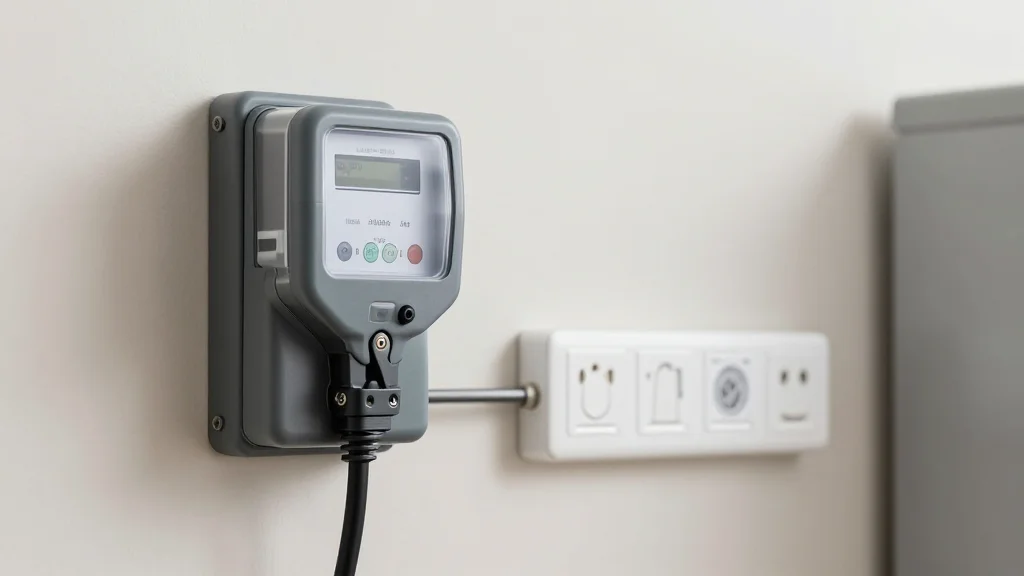
- •Load limiting via smart meters cuts demand while keeping lights on
- •Rolling blackouts impose regressive welfare losses on low‑income households
- •Ukraine’s smart‑meter penetration sits near 20%, limiting rapid implementation
- •EU countries exceed 80% smart‑meter coverage, ready for load‑limit protocols
- •Real‑time tariffs push industrial users toward curtailment and on‑site storage
Pulse Analysis
The accelerating pace of climate‑related shocks, geopolitical tensions and aging infrastructure is turning electricity scarcity into a recurring threat for many economies. Traditional rolling blackouts—where entire neighborhoods lose power for 8‑16 hours—are simple to execute but impose massive welfare losses because they indiscriminately cut both essential and discretionary loads. Moreover, they act as a regressive tax, hitting low‑income households hardest while wealthier users rely on generators or batteries. Policymakers therefore need a tool that trims demand without sacrificing basic services.
Load‑limiting through smart meters offers that precision. By capping the instantaneous draw of a residence—typically around 0.25 kW—and granting a short daily “boost” window for high‑energy appliances, the approach preserves lighting, refrigeration, medical devices and communications while shaving peak demand. Because a small fraction of households accounts for a disproportionate share of peak load, a uniform cap concentrates savings on the high‑consumption tail, delivering aggregate reductions comparable to blackouts but with far lower social cost. For industry, real‑time tariffs that spike during grid stress provide price signals that encourage flexible firms to curtail, while compensating those that must stay online, fostering private investment in on‑site generation and storage.
Europe is uniquely positioned to adopt this model at scale. Smart‑meter penetration exceeds 80% in several member states, and the EU Electricity Directive has already paved the way for widespread rollout. The missing piece is a pre‑approved, legally binding protocol that can be triggered instantly when scarcity thresholds are breached. Establishing clear household power caps, defining regulator and DSO roles, and stress‑testing the system through drills will transform existing hardware into a rapid‑response demand‑management toolkit. By learning from Ukraine’s hard‑won experience, European grids can safeguard essential electricity access, protect vulnerable consumers, and maintain economic resilience in the face of future energy emergencies.
A smarter approach to electricity rationing
Comments
Want to join the conversation?
Loading comments...