Aatmanirbhar 2.0: India Building Inner Strength to Get over Supply Chain Pain
Why It Matters
Reducing import reliance shields India’s economy from external supply disruptions and creates domestic market opportunities, reshaping regional trade dynamics. The move also accelerates the country’s transition to sustainable energy, aligning with global climate goals.
Key Takeaways
- •India launches Aatmanirbhar 2.0 to cut import reliance
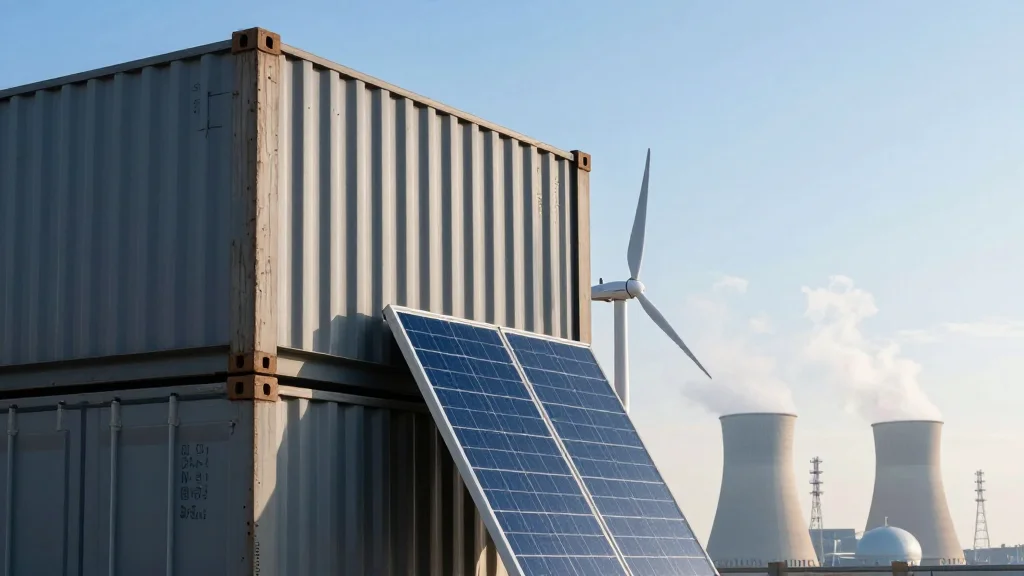
- •Focus on green energy, nuclear, and thermal power expansion
- •Ministries tasked with short‑ and long‑term sector plans
- •Targeted sectors include chemicals, fertilizers, rare earths, machinery
- •Strategy aims for structural resilience against geopolitical supply shocks
Pulse Analysis
The Aatmanirbhar 2.0 agenda builds on lessons from the pandemic, when India introduced emergency measures to secure essential goods. Today, the government is translating those ad‑hoc actions into a systematic framework that maps import exposure across 30+ critical inputs. By convening the Cabinet Committee on Security and expanding its remit, New Delhi signals that supply‑chain risk is now a national security priority, not merely an economic concern.
Energy security sits at the heart of the new plan. India aims to boost renewable capacity, add 30 GW of nuclear generation and increase thermal output to offset rising oil and gas prices caused by the Gulf war and the Strait of Hormuz closure. Diversifying away from fossil fuel imports also dovetails with the country’s 2070 net‑zero target, offering a dual benefit of climate mitigation and reduced geopolitical vulnerability. The focus on rare earths and high‑end machinery reflects a strategic intent to nurture domestic manufacturing ecosystems that can feed both civilian and defense sectors.
For businesses and investors, Aatmanirbhar 2.0 presents both risk and reward. Companies that rely on imported inputs may face tighter regulations or higher tariffs, prompting a shift toward local sourcing. Conversely, firms positioned to supply green‑energy equipment, nuclear components, or processed chemicals stand to gain from government incentives and guaranteed procurement. The policy’s emphasis on structural resilience could also attract foreign partners seeking stable supply‑chain footholds in South Asia, reshaping trade flows and creating new growth corridors for the Indian economy.
Aatmanirbhar 2.0: India building inner strength to get over supply chain pain
Comments
Want to join the conversation?
Loading comments...