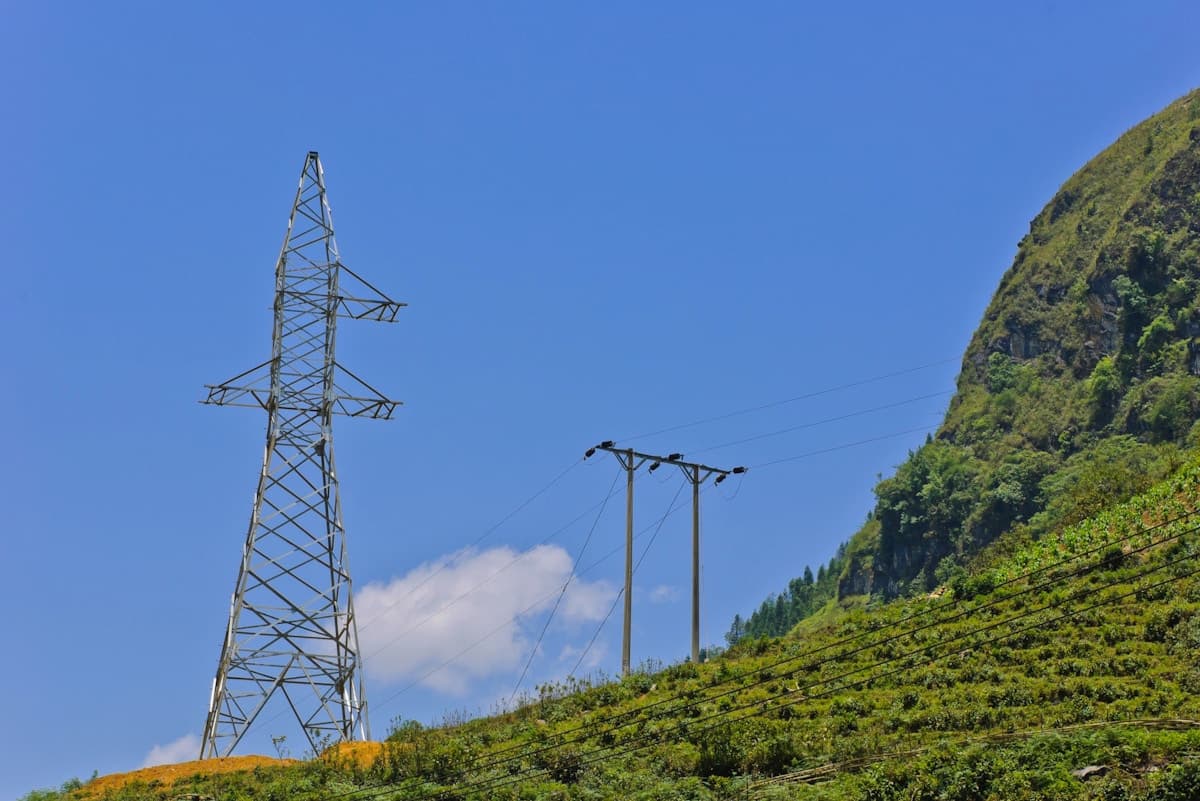
ADB Unveils US$50bn Asia Pacific Power Grid Plan to Turn Fragmented National Systems Into a Regional Clean Energy Market
Companies Mentioned
Why It Matters
A unified regional grid could lower energy costs, improve resilience, and accelerate the clean‑energy transition, while the financing model tests how multilateral banks balance climate goals with existing fossil‑fuel commitments.
Key Takeaways
- •ADB aims to mobilise $50 bn for a pan‑Asian grid by 2035
- •Project targets 22,000 km of cross‑border lines and 20 GW renewable capacity
- •Expected emissions cut of 15% and creation of 840,000 jobs regionally
- •Half the funding comes from ADB; the rest from private partners
- •NGOs warn the initiative could still support fossil‑fuel projects
Pulse Analysis
Asia’s rapid electrification, driven by AI data centers, electric‑vehicle adoption and climate‑induced heatwaves, has exposed the limits of fragmented national grids. The Pan‑Asia Power Grid Initiative (PAGI) seeks to overcome these constraints by weaving together existing regional projects such as the ASEAN Power Grid and South Asian interconnections into a continent‑wide electricity market. By creating a web of 22,000 kilometres of cross‑border transmission, the initiative promises to balance surplus renewable generation in one country with deficits in another, enhancing grid stability and reducing reliance on costly peaking plants.
Financing the $50 billion effort reflects a hybrid model that blends multilateral bank capital with private‑sector investment. ADB will commit roughly $25 billion from its own balance sheet, while the remaining half is expected to be sourced from sovereign partners, commercial lenders and infrastructure funds. This structure not only spreads risk but also signals confidence to investors that large‑scale clean‑energy infrastructure can deliver stable returns. The projected 15% emissions reduction and the creation of 840,000 jobs underscore the economic upside, positioning the project as a catalyst for green industrial development across the region.
Nonetheless, the initiative faces scrutiny from NGOs who argue that without a firm phase‑out of coal and gas, expanded transmission could simply amplify fossil‑fuel flows across borders. Critics call for robust safeguards, transparent due‑diligence and community‑led renewable projects to ensure a just transition. As ADB refines its draft energy policy, the balance between ambitious grid integration and genuine decarbonisation will determine whether PAGI becomes a model for regional cooperation or a conduit for entrenched carbon assets.
ADB unveils US$50bn Asia Pacific power grid plan to turn fragmented national systems into a regional clean energy market
Comments
Want to join the conversation?
Loading comments...