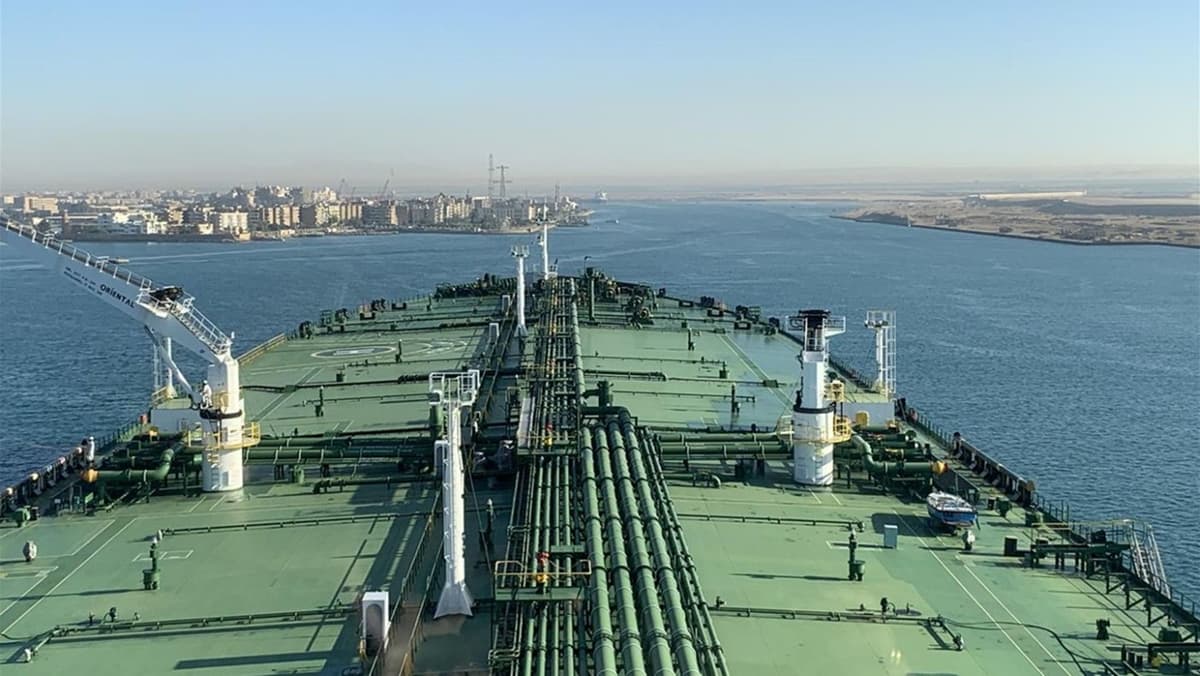
ADNOC Fast-Tracks Fujairah Pipeline Expansion
Why It Matters
By shifting more crude through Fujairah, ADNOC reduces reliance on the vulnerable Strait of Hormuz, enhancing supply security and boosting global tanker fleet efficiency. The upgrade also signals the UAE’s strategic push to control its oil export pathways amid geopolitical uncertainty.
Key Takeaways
- •Capacity to 3 million barrels per day, doubling export throughput
- •Fujairah route cuts three days shipping time versus Strait of Hormuz
- •VLCC arrivals could rise from five to ten weekly, boosting tanker utilization
- •UAE's OPEC exit gives flexibility to expand export capacity quickly
Pulse Analysis
The accelerated expansion of ADNOC’s Habshan‑Fujairah pipeline reflects a broader shift in Middle‑East energy logistics. With the Strait of Hormuz—through which roughly 20% of global oil passes—under threat, shippers are scrambling for alternative routes. Fujairah, already a major bunkering hub, offers a secure deep‑water outlet on the Gulf of Oman, allowing crude to bypass the narrow waterway entirely. By doubling the pipeline’s capacity to 3 million barrels per day, ADNOC not only safeguards its export volumes but also creates a strategic reserve corridor that can be activated during future disruptions.
From a maritime perspective, the capacity boost translates into a tangible increase in Very Large Crude Carrier (VLCC) traffic. Current schedules see about five VLCCs loading weekly at Fujairah; the expansion could push that number to ten, effectively doubling the port’s throughput. This surge shortens the average voyage by three days, a modest gain that compounds across the global fleet, freeing up vessels for other routes and reducing overall tanker idle time. The ripple effect benefits ancillary services—anchorage, repairs, crew changes—strengthening Fujairah’s position alongside Singapore and Rotterdam as a premier marine services hub.
Strategically, the pipeline upgrade dovetails with the UAE’s recent exit from OPEC, granting the emirate greater autonomy over production and export decisions. Freed from OPEC’s quota constraints, the UAE can more swiftly align output with market demand, using the expanded pipeline as a lever to channel additional volumes without congesting Gulf ports. This flexibility enhances the country’s competitiveness, attracts downstream investors, and underscores a broader trend of Gulf states diversifying export pathways to mitigate geopolitical risk and sustain revenue streams.
ADNOC fast-tracks Fujairah pipeline expansion
Comments
Want to join the conversation?
Loading comments...