AES Pulls Out of San Diego Area Battery Project After Local Opposition
Companies Mentioned
Why It Matters
Large‑scale storage is critical for California’s 100 % clean‑energy target, yet community resistance can stall projects, affecting grid reliability and investment confidence.
Key Takeaways
- •AES withdrew 320 MW battery plan near Escondido hospital.
- •Residents opposed due to fire risk and closeness to homes.
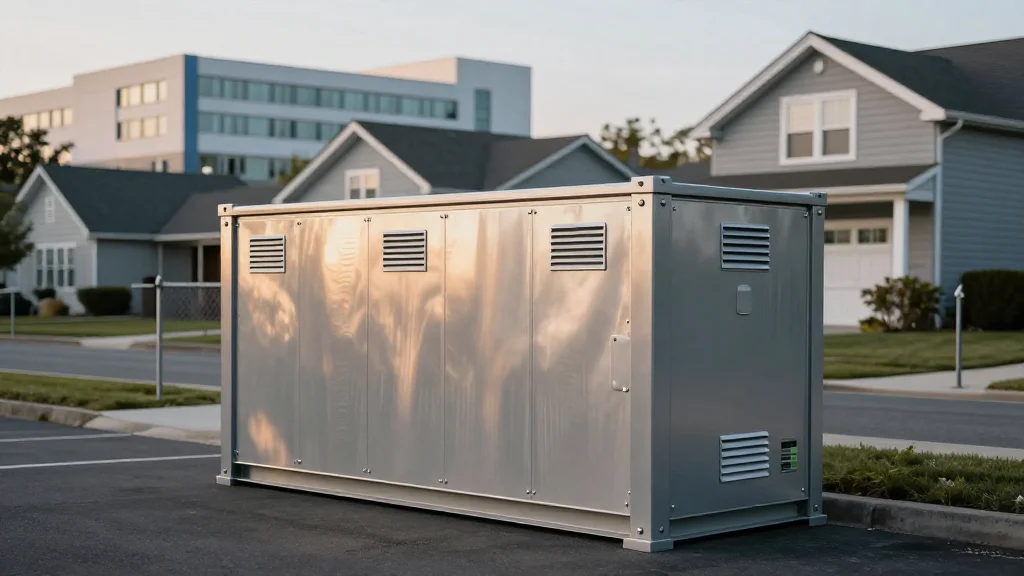
- •Modern designs use compartmentalized containers to limit fire propagation.
- •California still approves large storage projects like Daly City battery.
- •Battery output could have supplied 320 MW during evening peak.
Pulse Analysis
The pull‑back by AES underscores how local sentiment can shape the rollout of grid‑scale storage. Residents of Escondido rallied against the proposed 320‑megawatt battery after a series of high‑profile fires at California facilities, fearing that a similar incident could jeopardize nearby homes and the Palomar Medical Center. By withdrawing, AES signaled that community buy‑in is now a prerequisite for projects that sit close to populated areas, even as utilities scramble for capacity to smooth the solar‑to‑load transition.
Technical advances have addressed many of the fire‑safety concerns that fueled opposition. New battery farms employ modular, fire‑rated containers that isolate individual cells, preventing a thermal‑runaway event in one unit from cascading across the site. This compartmentalization, combined with stricter fire‑suppression standards, markedly reduces the risk of multi‑day blazes seen at older installations like Otay Mesa and Moss Landing. Regulators are updating permitting criteria to reflect these design improvements, yet the memory of past incidents still influences public perception and local zoning decisions.
Despite setbacks, California’s storage market remains robust. Projects such as the 250‑MW battery in Daly City are moving forward, injecting roughly $73 million into local tax bases and bolstering on‑demand power during heat waves. State policymakers continue to target record battery contributions—44 % of evening demand on March 29—recognizing storage as essential to meeting the 2045 clean‑energy goal. The AES episode serves as a cautionary tale: developers must blend cutting‑edge technology with proactive community outreach to unlock the full potential of large‑scale energy storage.
AES pulls out of San Diego area battery project after local opposition
Comments
Want to join the conversation?
Loading comments...