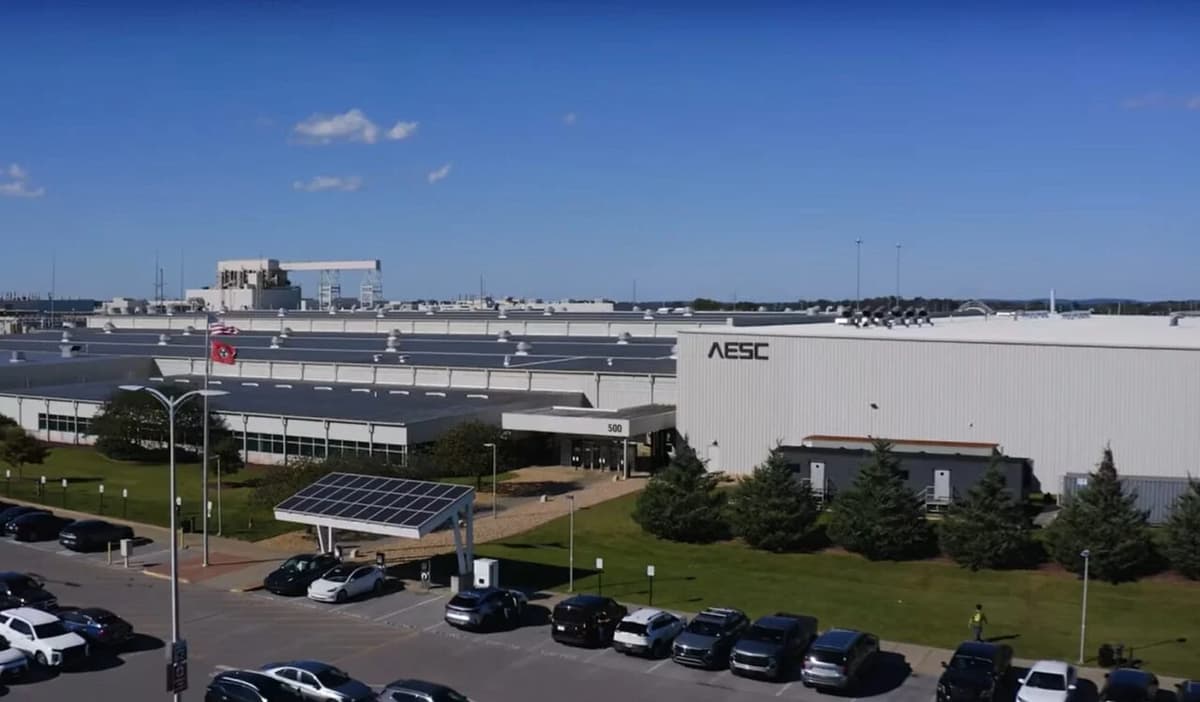
AESC Sells Tennessee Battery Gigafactory to Fixx Energy
Participants
Why It Matters
The moves reduce exposure to FEOC‑related financing hurdles and open the door for U.S. capital to rebuild critical clean‑energy manufacturing domestically, strengthening energy security and tax‑credit access.
Key Takeaways
- •AESC sold its Tennessee lithium‑ion gigafactory to Fixx Energy.
- •JinkoSolar divested majority stake in U.S. solar panel plant.
- •FEOC rules pressure Chinese‑linked assets, affecting tax‑credit eligibility.
- •U.S. investors are recapitalising clean‑energy supply chain to mitigate risk.
- •Restructuring may spur domestic component production and financing opportunities.
Pulse Analysis
The United States is entering a pivotal phase of clean‑energy manufacturing realignment, spurred by heightened political scrutiny and the Foreign Entity of Concern (FEOC) framework. FEOC rules tie eligibility for federal tax credits to the ownership structure of critical assets, prompting Chinese‑linked firms to reassess their U.S. exposure. As Washington tightens the link between financing incentives and supply‑chain sovereignty, companies that rely heavily on Chinese capital or technology face mounting compliance costs and reduced access to low‑cost capital.
In the past week, two high‑profile divestitures illustrated this shift. Envision Energy’s battery subsidiary AESC transferred its Tennessee gigafactory—responsible for supplying cells to system integrator Fluence—to domestic operator Fixx Energy. Simultaneously, solar giant JinkoSolar sold a controlling interest in its U.S. panel manufacturing facility. Both deals were structured to dilute Chinese ownership, thereby preserving eligibility for the Investment Tax Credit (ITC) and Production Tax Credit (PTC). The transactions also unlock new financing pathways, as banks and investors become more comfortable backing assets free from FEOC constraints.
Looking ahead, the restructuring wave could accelerate domestic component production, attract private‑equity capital, and stimulate policy incentives aimed at reshoring critical technologies. Analysts anticipate a surge in joint‑venture models where U.S. firms acquire or partner with former Chinese‑owned plants, leveraging existing infrastructure while meeting regulatory requirements. This trend not only mitigates geopolitical risk but also aligns with broader U.S. goals of energy independence and job creation in the clean‑energy sector.
Deal Summary
Envision Energy, through its subsidiary AESC, has sold its Tennessee lithium‑ion gigafactory to US‑based Fixx Energy. The transaction, part of a wave of Chinese‑owned asset sales, signals a restructuring of the US clean‑energy manufacturing sector amid rising political and regulatory risks. Deal terms were not disclosed.
Comments
Want to join the conversation?
Loading comments...