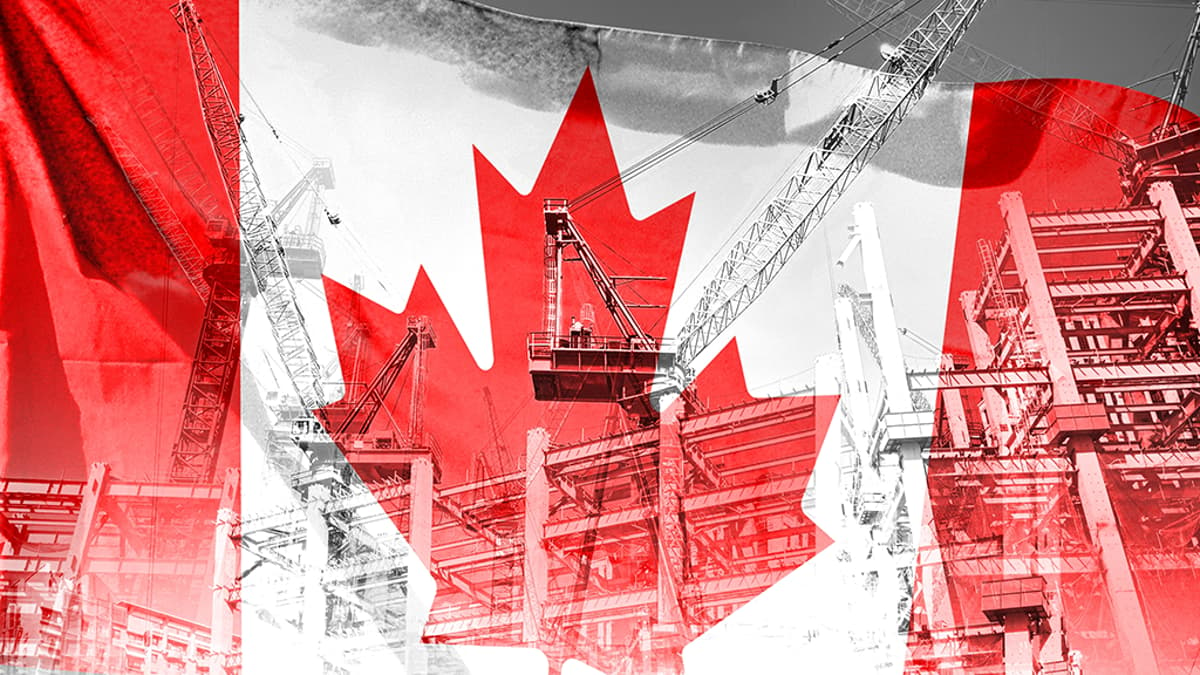
AFN Chief Warns Against Changes to Major Projects Development Rules, Calls for Debate
Why It Matters
The shift threatens established Indigenous consultation mechanisms, risking legal challenges and delaying critical energy infrastructure, while highlighting the political tension between economic development and First Nations rights.
Key Takeaways
- •Government proposes shifting pipeline review authority to Canada Energy Regulator
- •AFN chief calls changes unacceptable, warns of rights violations
- •Proposed 30‑day consultation seen as rushed and insufficient
- •Potential repeal of C‑69 could trigger protests, lawsuits, delays
- •Calls for genuine Indigenous engagement and transparent parliamentary hearings
Pulse Analysis
Canada’s latest regulatory overhaul aims to consolidate major project reviews under the Canada Energy Regulator, a move that would reverse the 2018 creation of the Impact Assessment Agency as a one‑stop shop. The proposal, tied to the contentious C‑69 legislation, seeks to streamline approvals for inter‑provincial pipelines, transmission lines and offshore renewable projects, promising faster decision‑making for investors. However, critics argue that the shift undermines the agency’s mandate to balance environmental scrutiny with Indigenous rights, a balance that has been central to Canada’s recent energy policy debates.
First Nations leaders, led by AFN National Chief Cindy Woodhouse Nepinak, have denounced the plan as a "pattern of exclusion" that threatens treaty and inherent rights. The 30‑day public comment window is viewed as a token gesture, insufficient to address years of consultation fatigue and the complex legal landscape surrounding projects like the Northern Gateway and Trans Mountain expansions. Former environment minister Catherine McKenna warned that bypassing thorough Indigenous engagement could ignite protests, lawsuits, and ultimately slow project delivery—outcomes that contradict the government’s stated goal of efficiency.
The broader stakes extend beyond individual projects. Investors watch regulatory certainty closely; any perception of heightened legal risk can deter capital and affect Canada’s competitiveness in the global energy market. A balanced approach that respects Indigenous consent while providing clear, predictable pathways for project approval could preserve both economic growth and social license. As the debate unfolds, the outcome will shape the future of Canada’s energy transition, Indigenous‑government relations, and the nation’s ability to meet its net‑zero commitments.
AFN chief warns against changes to major projects development rules, calls for debate
Comments
Want to join the conversation?
Loading comments...