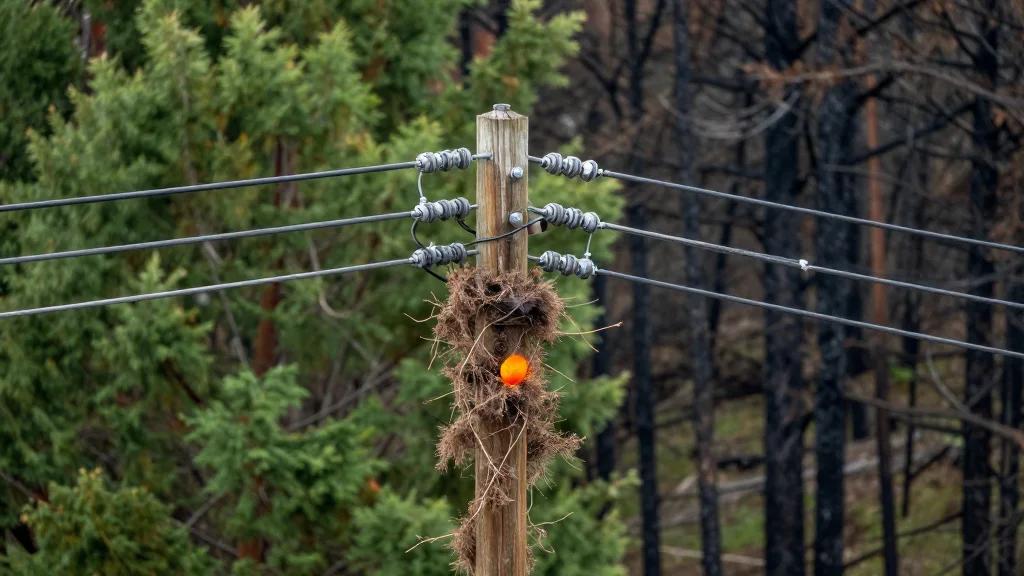
After the L.A. Wildfires: Why Vegetation Management Can’t Afford to Stay on a Fixed Cycle
Why It Matters
Dynamic vegetation management directly protects grid reliability and limits costly wildfire liability, while satisfying tightening NERC compliance and insurer demands.
Key Takeaways
- •25% of U.S. outages stem from vegetation risk.
- •Utilities spend $7 B yearly on vegetation management.
- •Fixed‑cycle programs miss emerging fire‑fuel risks.
- •Integrated geospatial platforms enable risk‑based, real‑time prioritization.
- •AI‑driven remote sensing predicts vegetation hazards before outages.
Pulse Analysis
The Los Angeles fires underscored how climate volatility is reshaping wildfire risk across the power sector. Heavy rains in 2023 spurred rapid vegetation growth, which dried into combustible fuel during the record‑heat, drought‑laden summer of 2024. With estimated economic losses of $250‑$275 billion, utilities face heightened exposure to outage costs, strict liability under California’s inverse‑condemnation doctrine, and intensified regulatory scrutiny. Traditional vegetation programs—built on static schedules and historical growth models—are ill‑suited to this new reality, leaving utilities vulnerable to both operational disruptions and costly litigation.
Compounding the problem, compliance requirements have tightened. NERC’s FAC‑003‑5 standard, effective April 2024, imposes higher penalties—averaging over $200,000 per violation—for inadequate transmission vegetation control. Simultaneously, utilities are expanding grid capacity to accommodate renewable energy, increasing the length of lines exposed to encroaching flora. To meet these demands, utilities must transition from fragmented data silos to an integrated risk‑intelligence system that fuses GIS assets, drone and satellite imagery, LiDAR, and weather feeds into a single, network‑aware platform. This unified view enables precise, risk‑based prioritization rather than blanket, time‑based trimming.
Emerging technologies are delivering the necessary agility. High‑resolution LiDAR and daily satellite updates feed AI models that detect grow‑in and fall‑in hazards with centimeter‑level accuracy, forecasting fire‑fuel conditions weeks in advance. When coupled with mobile‑workforce applications, crews receive real‑time, location‑specific work orders, reducing manual entry errors and improving audit trails. The shift transforms vegetation management from a routine expense into a strategic, data‑driven risk mitigation function, protecting reliability, limiting liability, and satisfying regulators in an era of accelerating climate risk.
After the L.A. Wildfires: Why Vegetation Management Can’t Afford to Stay on a Fixed Cycle
Comments
Want to join the conversation?
Loading comments...