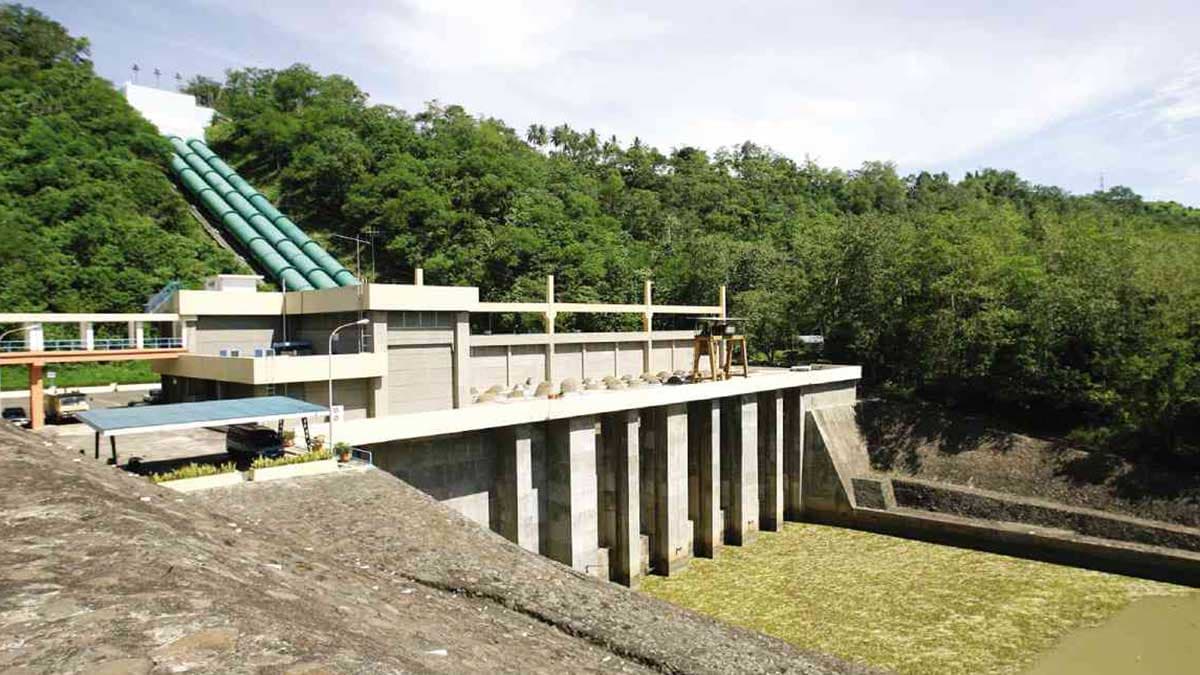
Agus-Pulangi Rehab Contract Seen Awarded by December
Companies Mentioned

Why It Matters
Reviving Agus‑Pulangi will restore up to 300 MW of clean capacity, strengthening Mindanao’s power supply and supporting the Philippines’ renewable‑energy targets. The PPP structure also signals growing private‑sector confidence in the country’s energy infrastructure reforms.
Key Takeaways
- •Contract for Agus‑Pulangi rehab expected by December.
- •Facility capacity 1,000 MW; only 600‑700 MW currently operating.
- •Rehabilitation budget estimated at $350 million under PPP.
- •Napocor retains operations; private partner will sell generated power.
- •Completion targeted between 2028 and 2032, boosting Mindanao supply.
Pulse Analysis
The Agus‑Pulangi hydroelectric complex, spanning the Agus and Pulangi rivers, has long been a cornerstone of Mindanao’s electricity grid. Built in the 1970s, its seven run‑of‑river plants collectively hold a name‑plate capacity of roughly 1,000 MW, yet aging turbines and civil works have limited output to about 600‑700 MW. This shortfall forces the region to rely on costly thermal generation and imports, underscoring the urgency of a comprehensive rehabilitation that can unlock the dormant megawatts.
The government’s decision to move forward with a public‑private partnership reflects a broader shift toward leveraging private capital for critical infrastructure. With at least four qualified bidders and a consortium already identified by the Power Sector Assets and Liabilities Management Corp., the upcoming award will formalize a $350 million investment plan. Under the agreement, Napocor will continue to handle operations and maintenance, while the private partner will finance upgrades and sell the electricity produced, sharing revenues with Psalm. The phased approach targets full completion between 2028 and 2032, aligning with the country’s renewable‑energy roadmap.
Restoring Agus‑Pulangi’s full capacity carries significant strategic implications. By adding up to 300 MW of clean, dispatchable power, the project will alleviate supply gaps, reduce reliance on fossil fuels, and improve grid stability in the Philippines’ second‑largest island. Moreover, the PPP model demonstrates investor confidence despite political transitions, potentially catalyzing further private participation in the nation’s energy sector. For stakeholders—from utilities to renewable developers—the rehabilitation offers a tangible pathway to meet growing demand while advancing climate‑aligned objectives.
Agus-Pulangi rehab contract seen awarded by December
Comments
Want to join the conversation?
Loading comments...