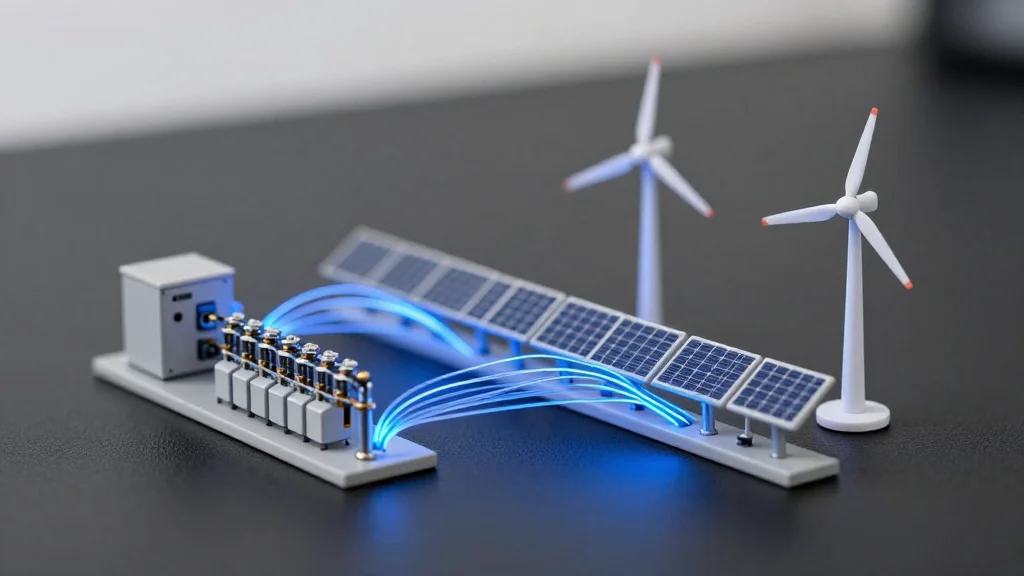
AI-Powered Grid Management: Reducing Renewable Electricity Curtailment
Why It Matters
AI‑enabled grid control promises higher renewable utilization, lower operating costs, and a more resilient power system, positioning Europe as a global leader in clean‑energy infrastructure.
Key Takeaways
- •AI forecasts weather and generation to pre‑empt grid bottlenecks
- •Digital twins accelerate planning, cutting deployment time and costs
- •EU funding supports AI projects like AMAZING for smarter grids
- •EM‑Power Europe showcases AI tools to reduce renewable curtailment
- •Studies show AI can lower operating‑reserve costs by up to 15%
Pulse Analysis
Europe’s rapid wind and solar rollout is creating a paradox: abundant clean power meets rigid grid constraints, leading to curtailment losses. AI addresses this mismatch by ingesting weather data, generation forecasts, and load patterns to orchestrate demand‑response, battery storage, and flexible industrial consumption in milliseconds. The result is a more elastic grid that can absorb intermittent renewables without expensive redispatch, directly boosting the economic case for further green investment.
A second wave of innovation comes from digital twins and the GridFM foundation model, which replace traditional physics‑based simulations with AI‑trained replicas of actual networks. Funded by the EU’s AMAZING project, these virtual grids enable operators to test upgrades, predict bottlenecks, and optimize asset placement before field deployment, slashing capital expenditures and shortening project timelines. However, the rollout faces hurdles: fragmented data standards, legacy hardware, and a shortage of AI‑savvy engineers, while regulators tighten cybersecurity mandates to guard against new attack vectors.
The upcoming EM‑Power Europe exhibition in Munich spotlights these breakthroughs, gathering over 2,800 exhibitors and 100,000 visitors to showcase AI‑driven solutions from startups to incumbents. Sessions such as “Can We Trust AI to Run the Grid?” will dissect performance metrics, data‑infrastructure needs, and policy frameworks required for large‑scale adoption. With the EU targeting AI‑managed grids by 2030, the market is poised for a surge in software licensing, consulting, and hardware upgrades, making AI a cornerstone of Europe’s decarbonization strategy.
AI-Powered Grid Management: Reducing Renewable Electricity Curtailment
Comments
Want to join the conversation?
Loading comments...