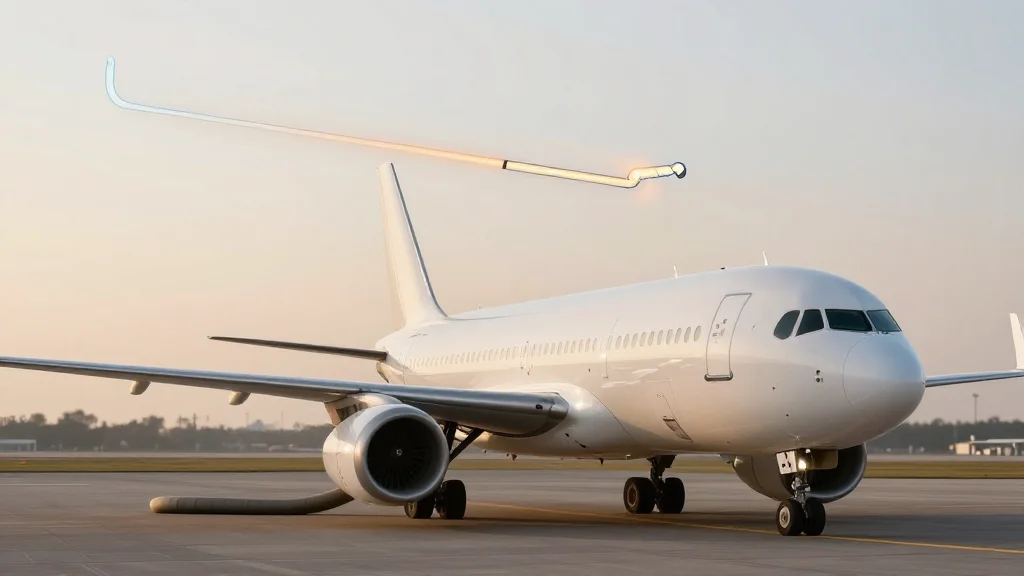
Airlines Are Grappling with Dwindling Supplies of Jet Fuel
Why It Matters
Jet‑fuel scarcity directly raises operating costs for carriers, squeezing margins and potentially passing price hikes to passengers. The situation also underscores how geopolitical chokepoints can destabilize global aviation supply chains.
Key Takeaways
- •Strait of Hormuz closure cuts 30% of global jet fuel flow
- •Jet fuel prices spiked 45% since closure began
- •Airlines consider rerouting to avoid Middle‑East fuel hubs
- •Hedging programs strained by volatile supply and pricing
Pulse Analysis
The Strait of Hormuz has long been a strategic artery for the world’s oil market, handling roughly a third of daily global petroleum shipments. Its near‑complete closure this spring has created a bottleneck not only for crude but also for refined jet fuel, a product that requires immediate delivery to maintain quality. With tankers forced to detour around Africa or the Cape of Good Hope, transit times have expanded from days to weeks, inflating freight costs and compressing the supply chain that airlines depend on for daily operations.
For airlines, the immediate concern is cost volatility. Jet‑fuel futures have surged more than 40% since the blockage, eroding profit margins that were already thin after pandemic‑induced recovery. Carriers are scrambling to adjust hedging positions, negotiate alternative supply contracts, and, in some cases, temporarily suspend routes that heavily rely on Middle‑East fuel hubs. The pressure is especially acute for low‑cost carriers, whose business models depend on stable fuel expenses to keep ticket prices competitive.
Beyond the aviation sector, the crisis highlights the broader geopolitical risk embedded in energy logistics. Prolonged disruptions could accelerate investment in alternative fuel sources, such as sustainable aviation fuel (SAF) and liquefied natural gas, as airlines seek to diversify away from volatile petroleum markets. Policymakers may also revisit strategic petroleum reserve policies to mitigate future chokepoint failures. In the short term, however, the industry’s resilience will hinge on how quickly alternative supply routes can be secured and how effectively airlines can pass higher fuel costs onto consumers without dampening demand.
Airlines are grappling with dwindling supplies of jet fuel
Comments
Want to join the conversation?
Loading comments...