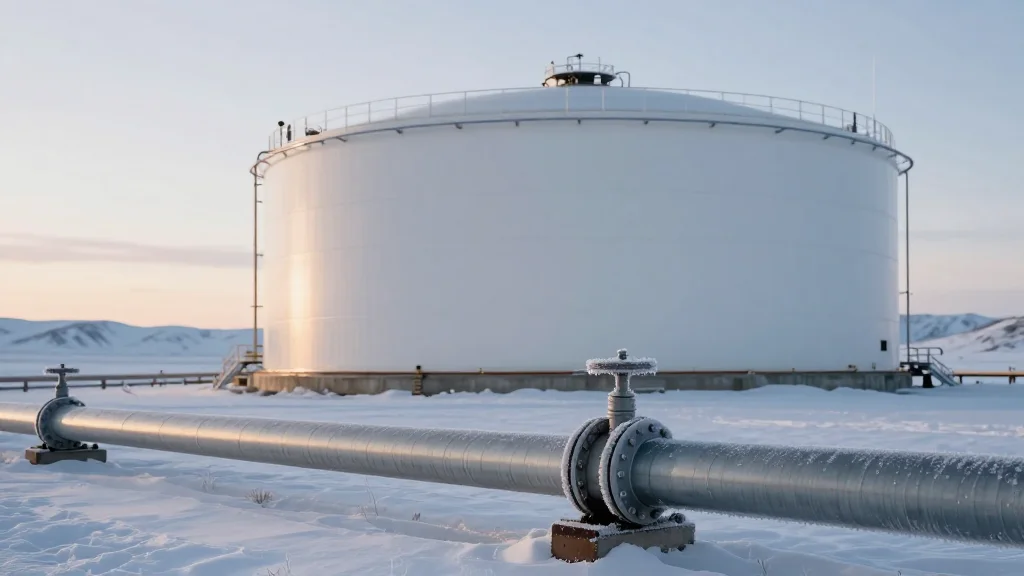
Alaska LNG Lines Up Gas Supply, But State Tax Plan Still Elusive
Why It Matters
Securing a multi‑decade gas supply strengthens financing prospects, but unresolved tax legislation introduces regulatory risk that could affect the project's timeline and cost structure.
Key Takeaways
- •North Slope producer signs 30‑year supply deal for Alaska LNG pipeline
- •First‑phase pipeline spans 739 miles, linking gas fields to export terminal
- •Governor Dunleavy pushes $44 billion project, citing tax incentive as essential
- •State lawmakers resist proposed tax, creating regulatory uncertainty
- •Supply deal improves financing outlook, but political risk stays high
Pulse Analysis
Alaska LNG secured a pivotal supply commitment this week when the last major North Slope gas producer signed a 30‑year contract to feed the project's initial phase. The agreement covers a 739‑mile (1,189‑kilometer) pipeline that will transport raw natural gas from the Prudhoe Bay region to a coastal liquefaction hub. By locking in volume for three decades, the developer gains a stronger foundation for financing, as lenders typically require long‑term off‑take certainty before committing billions of dollars to infrastructure.
Despite the supply win, the project's financial model hinges on a state‑level tax incentive that Governor Mike Dunleavy describes as "critical" to the $44 billion venture. Lawmakers in Juneau have expressed reservations, arguing the proposed tax could erode Alaska's fiscal base without delivering proportional benefits. The impasse threatens to delay the approval of the tax framework, which is intended to offset the high capital costs and attract private equity. Until the legislature reaches a consensus, the LNG project faces lingering regulatory risk that could affect bond pricing and equity valuations.
The Alaska LNG development sits at the intersection of rising global demand for low‑carbon fuel and the United States' ambition to become a leading LNG exporter. With Europe seeking alternatives to Russian gas and Asia expanding its energy mix, a new Arctic export corridor could command premium prices. However, the project's timeline—currently projected for the late 2020s—must contend with competing projects in the Gulf of Mexico and the Pacific Northwest. Investors will be watching how quickly Alaska can resolve its tax debate and secure additional off‑take agreements to stay competitive.
Alaska LNG Lines Up Gas Supply, But State Tax Plan Still Elusive
Comments
Want to join the conversation?
Loading comments...