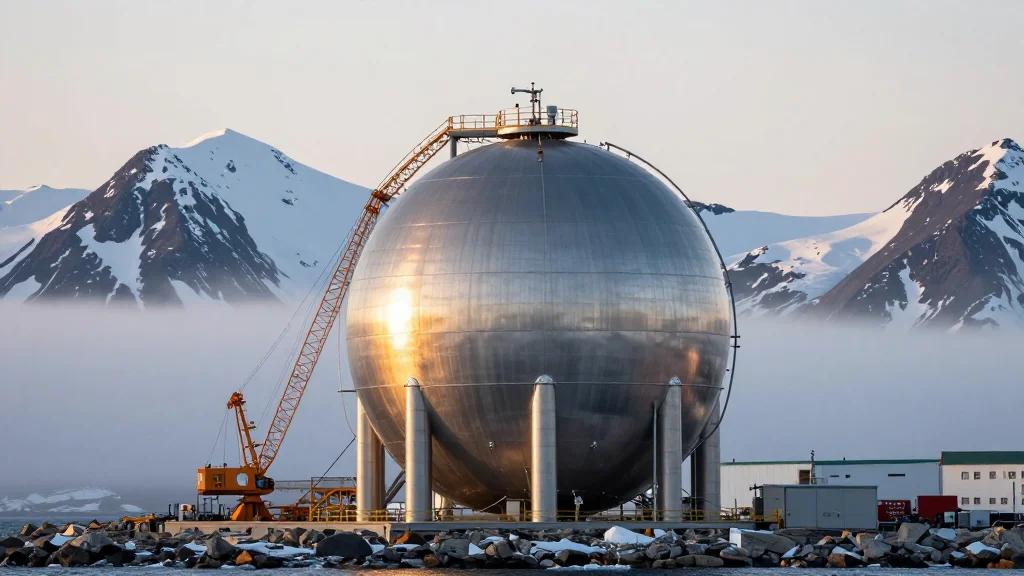
Alaska LNG Project Clearing Hurdles, Inching Toward Reality
Why It Matters
The project adds critical export capacity, strengthening U.S. energy security and diversifying Alaska’s economy. Securing permits and contracts accelerates investment timelines and market entry.
Key Takeaways
- •Glenfarne Group moves Alaska LNG toward construction start
- •Early pipeline installation slated before full plant build
- •Tentative contracts cover 13 million tonnes annual capacity
- •All required federal permits have been obtained
- •Project could boost U.S. LNG exports and Alaskan economy
Pulse Analysis
The Alaska LNG venture arrives at a moment when global demand for liquefied natural gas is surging, driven by Europe’s shift away from Russian supplies and Asia’s growing appetite for cleaner fuels. The United States, already the world’s largest natural‑gas producer, has been eager to translate its abundant resources into export capability. Adding a new Alaskan export hub would not only increase total U.S. LNG capacity but also diversify supply routes, reducing reliance on Gulf Coast terminals that face weather‑related disruptions.
Glenfarne Group LLC, a private consortium, has navigated a complex permitting landscape to secure every federal approval required for the first phase of the project. With environmental clearances in hand, the company can now focus on early‑stage infrastructure, starting with on‑shore pipelines that will feed gas to a coastal liquefaction plant. The tentative offtake agreements, covering roughly 13 Mt per year, signal market confidence and provide a revenue foundation that can attract further equity and debt financing. These contracts also lock in long‑term demand, mitigating price volatility for the project’s investors.
If realized, the Alaska LNG project could generate thousands of construction and permanent jobs, injecting much‑needed economic activity into a remote region. It would also enhance U.S. geopolitical leverage by supplying reliable LNG to allies seeking alternatives to Russian energy. Moreover, the project aligns with broader decarbonization goals, as natural gas offers a lower‑carbon bridge compared with coal or oil. The convergence of regulatory clearance, market contracts, and strategic relevance makes the Alaska LNG initiative a pivotal development in the North American energy landscape.
Alaska LNG Project Clearing Hurdles, Inching Toward Reality
Comments
Want to join the conversation?
Loading comments...