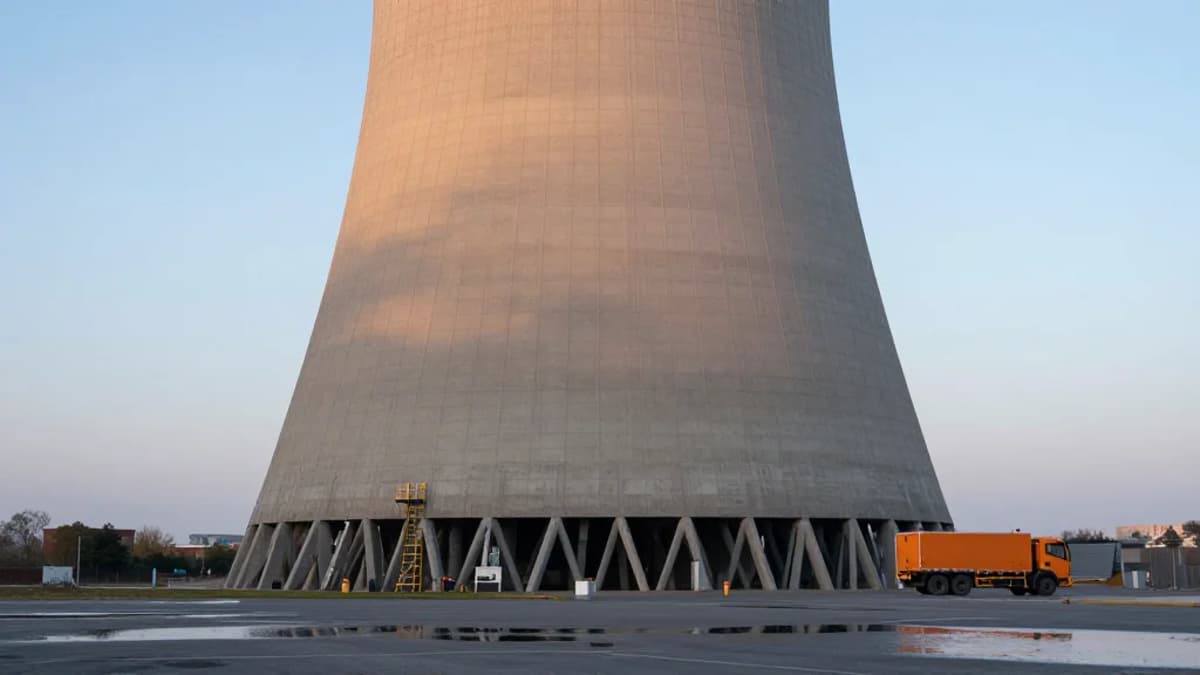
Alpiq Suffers Profit Slump in 2025 After Unplanned Shutdown of Kernkraftwerk Gösgen - Growth Driven by Flexibility Strategy
•March 2, 2026
0
Why It Matters
The earnings slump highlights the risk of nuclear reliance, while Alpiq’s pivot to flexible, low‑carbon assets positions it to capture emerging grid‑service revenues in Europe’s energy transition.
Key Takeaways
- •Gösgen outage cuts EBITDA by CHF 149 million
- •Trading division posts first annual loss
- •Liquidity rises to CHF 1.749 billion
- •Battery storage added in Finland, 30 MW/36 MWh
- •Flexibility investments target CHF 1 billion annually
Pulse Analysis
The unexpected shutdown of Alpiq’s Gösgen nuclear plant has reshaped the Swiss utility’s 2025 financial profile, dragging adjusted EBITDA from CHF 962 million to CHF 572 million and slashing net profit by two‑thirds. The outage coincided with low water inflows and scheduled gas‑plant overhauls, amplifying the earnings hit. While the loss of CHF 149 million from Gösgen is a headline figure, the broader picture reflects a market strained by geopolitical volatility, fluctuating energy prices, and a continental shift toward renewables. The plant’s forced idling also forced Alpiq to rely more heavily on imported electricity, tightening margins further.
Alpiq’s response centers on a flexibility strategy that leverages fast‑response assets to offset the volatility of its core generation portfolio. In 2025 the company commissioned a 30 MW/36 MWh battery storage unit in Finland and accelerated similar projects across Europe, while modernising Swiss hydropower facilities. By earmarking up to CHF 1 billion a year for flexible assets, Alpiq aims to capture premium grid‑balancing revenues and meet the growing demand for low‑emission, dispatchable power—a trend echoed by regulators and corporate buyers alike. These assets also provide ancillary services such as frequency regulation, opening new revenue streams in markets that reward rapid response.
Looking ahead to 2026, Alpiq projects a steadier earnings base, buoyed by pre‑hedged energy positions and the incremental cash flow from its expanding storage fleet. However, the lingering Gösgen outage will continue to depress results, making the flexibility investments a critical hedge against further market shocks. For investors, the company’s robust liquidity—CHF 1.749 billion—and its ability to raise capital through a CHF 150 million ten‑year bond signal financial resilience, while its strategic pivot positions Alpiq to benefit from Europe’s accelerating transition to a more controllable, low‑carbon power system. If the flexibility roadmap stays on schedule, Alpiq could see EBITDA recovery by mid‑2027, aligning with sector forecasts for renewed profitability.
Alpiq Suffers Profit Slump in 2025 after Unplanned Shutdown of Kernkraftwerk Gösgen - Growth Driven by Flexibility Strategy
0
Comments
Want to join the conversation?
Loading comments...