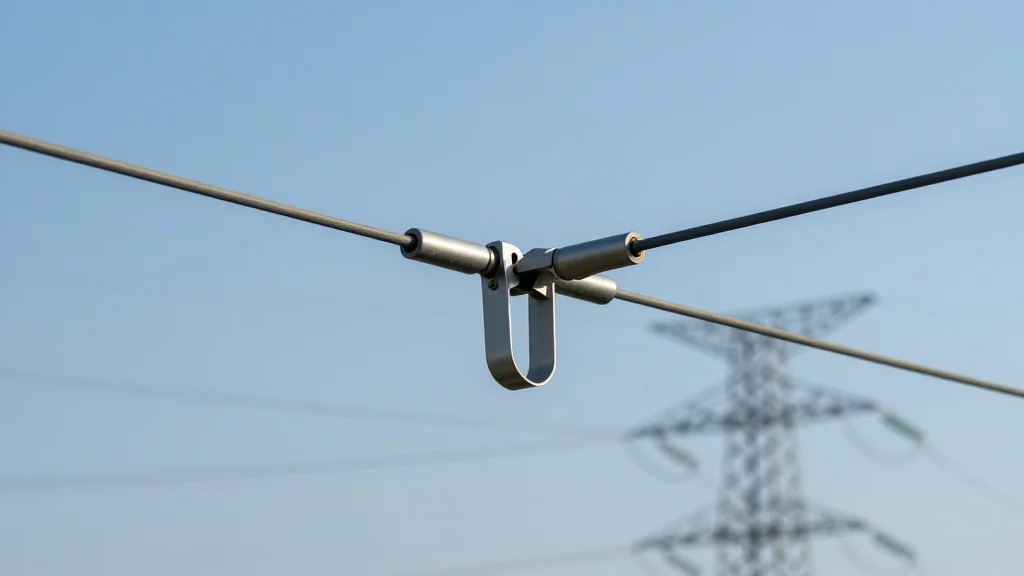
Ameren Begins Testing Dynamic Line Rating Technology
Why It Matters
Real‑time line ratings give utilities immediate capacity flexibility, improving reliability while deferring costly transmission upgrades. This pilot showcases a scalable tool for modern grids facing rising demand and renewable integration pressures.
Key Takeaways
- •Ameren pilots Heimdall Power dynamic line rating sensors.
- •15 sensors installed, 15 more planned this year.
- •Real-time data can boost line capacity on windy, cold days.
- •Technology helps identify need for new transmission infrastructure.
- •Pilot aims to improve grid utilization and customer savings.
Pulse Analysis
Dynamic line rating (DLR) technology is reshaping how utilities manage transmission assets by replacing static, worst‑case assumptions with real‑time environmental data. Traditional line ratings are set based on conservative temperature and wind estimates, often leaving excess capacity untapped. As renewable generation introduces variable output and climate change drives more extreme weather, utilities need tools that can safely capture additional power flow when conditions permit. DLR offers that flexibility, enabling operators to maximize existing infrastructure before committing to costly new builds.
Ameren’s partnership with Heimdall Power marks one of the most visible U.S. pilots of DLR, deploying 15 clamp‑on sensors on its most congested corridors and planning an equal number of additional units within the year. The sensors continuously monitor line temperature, wind speed, solar irradiance and ice load, feeding data into Ameren’s control systems to adjust ampacity in near real‑time. Early indications suggest that on cold, windy days the utility could increase line capacity by up to 20 percent, easing congestion and reducing the need for emergency re‑dispatch. By quantifying where and when capacity constraints occur, Ameren can prioritize future transmission projects more strategically, potentially saving millions in capital expenditures and delivering lower rates to consumers.
The broader industry is watching Ameren’s results closely, as regulators and grid operators seek cost‑effective pathways to accommodate growing demand and higher renewable penetrations. Successful DLR pilots could accelerate adoption across the Midcontinent Independent System Operator region and beyond, prompting updates to interconnection standards and market rules that reward dynamic capacity. However, challenges remain, including sensor durability, data integration complexity, and ensuring cybersecurity of real‑time feeds. If these hurdles are addressed, DLR could become a cornerstone of the smarter, more resilient grid envisioned by utilities nationwide.
Ameren begins testing dynamic line rating technology
Comments
Want to join the conversation?
Loading comments...